Your bones are literally becoming more fragile every year you skip calcium and vitamin d bone health, and by the time you hit 30 it might be too late to reverse the damage.
Prioritize a balanced diet
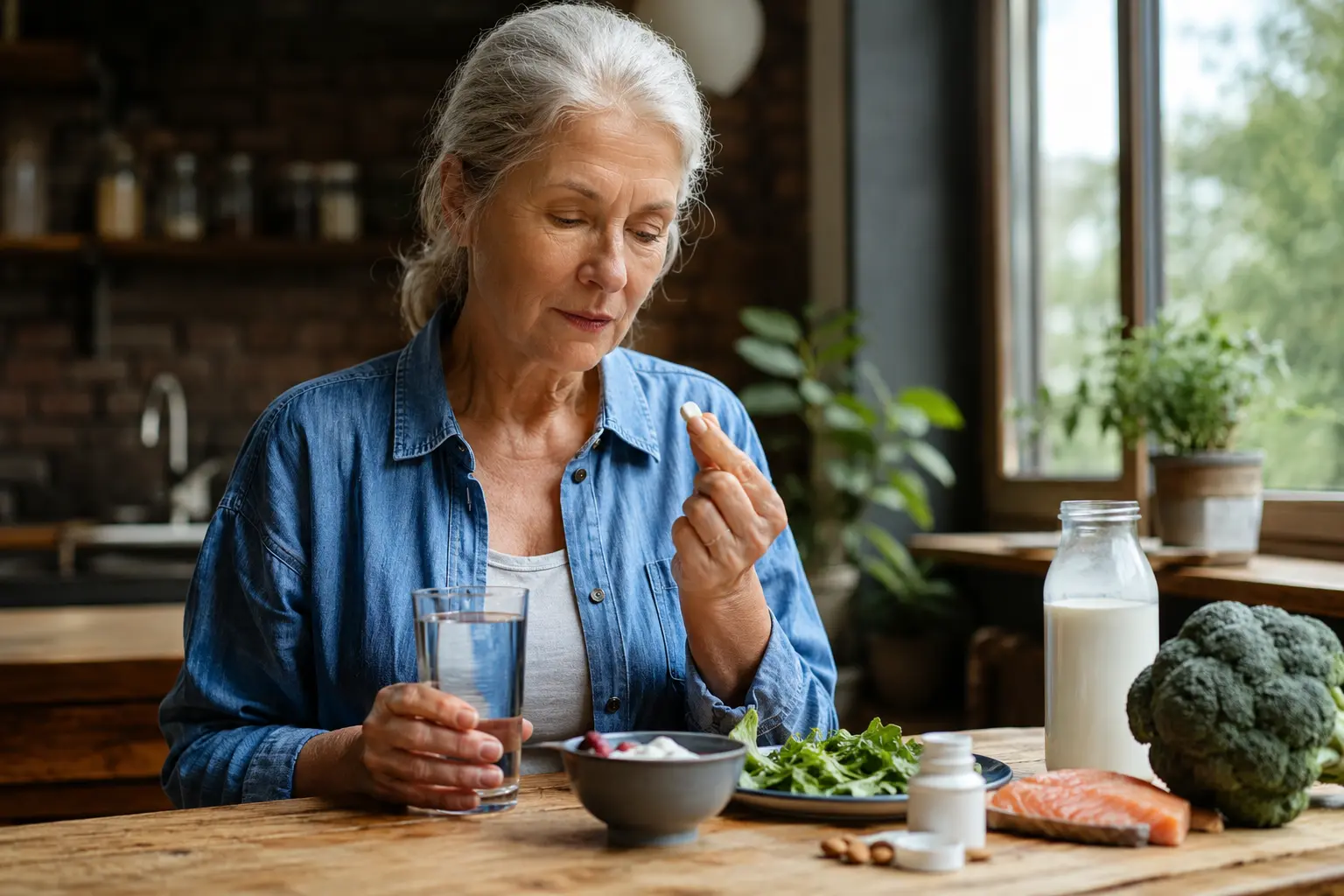
Eating a diet rich in calcium and vitamin D is essential for bone health, and the good news is that you don’t need to overhaul everything overnight. Start by identifying which foods you already enjoy that contain these nutrients. If you drink coffee in the morning, switch to fortified plant-based milk or regular dairy. For lunch, add a handful of leafy greens like spinach or kale to your sandwich or salad. Fatty fish such as salmon or mackerel can become a weekly dinner staple, providing both protein and vitamin D in one meal. Consider this scenario: a 25-year-old who adds just one calcium-rich snack daily, like a yogurt or cheese, plus one serving of fatty fish weekly, can easily meet half their daily calcium needs without feeling restricted. The mistake most young adults make is thinking they need to eat perfectly or not at all. Instead, focus on small, consistent additions to your current eating patterns. Include dairy products, leafy greens, fatty fish, and fortified foods in your meals wherever possible, and your bones will respond with measurable strength gains over time.
- Ensure adequate calcium intake to support bone growth and strength.
- Get sufficient vitamin D through exposure to sunlight or fortified foods.
- Incorporate magnesium-rich foods like nuts and seeds for better calcium absorption.
Regular exercise regimen
Weight-bearing exercises and resistance training are the most powerful tools you have to build and maintain bone density, and the best part is that you likely already enjoy some form of movement. Jogging, dancing, hiking, or even brisk walking counts as weight-bearing exercise because your bones experience impact and stress, which signals them to grow stronger. Resistance training with weights or bodyweight exercises like push-ups and squats creates additional stimulus for bone adaptation. A practical approach is to combine both: aim for 30 minutes of weight-bearing activity most days of the week, and add two to three sessions of resistance training. Think of it this way: a 28-year-old who jogs three times weekly and does strength training twice weekly is essentially building a bone bank account that will pay dividends for decades. Many young adults skip exercise thinking they’re too busy, but even 20 minutes of dancing to music at home or a quick bodyweight routine counts. The key is consistency over intensity. Start with activities you actually enjoy, because you’re far more likely to stick with something that feels natural rather than forced.
📘 Fix your day in under 2 minuteschoose where to begin:
Avoid harmful habits
Limiting alcohol consumption and quitting smoking are non-negotiable if you want strong bones, because both substances actively work against your body’s ability to build and maintain bone density. Excessive alcohol interferes with calcium absorption and increases bone loss, while smoking reduces blood flow to bones and impairs the cells responsible for bone formation. If you currently smoke, this is the single most impactful change you can make for your skeletal health. For alcohol, moderation means no more than one drink daily for women and two for men, according to health guidelines. Consider a real scenario: a 26-year-old who smokes and drinks heavily may have bone density similar to someone 15 years older. The same person who quits smoking and reduces alcohol to occasional social drinks can see measurable improvements in bone density within months. You don’t need to be perfect, but you do need to be honest about your habits. If quitting feels overwhelming, start by identifying your triggers and replacing the behavior with something else. Your bones will respond quickly to these changes, giving you tangible motivation to stick with them.
Stay hydrated and get adequate rest
Proper hydration and sleep are the overlooked foundations of bone health, yet they’re just as critical as diet and exercise. When you’re dehydrated, your body struggles to transport minerals like calcium to your bones, and chronic dehydration can actually accelerate bone loss. Aim for at least eight glasses of water daily, more if you exercise regularly or live in a hot climate. Sleep is equally important because bone repair and remodeling happen primarily during rest, especially during deep sleep stages. A 24-year-old who sleeps only five hours nightly while staying dehydrated is essentially sabotaging all the good work from their diet and exercise routine. In contrast, someone who prioritizes seven to nine hours of quality sleep and drinks water consistently will see their bones adapt and strengthen more effectively. The practical step is simple: keep a water bottle with you during the day and set a bedtime routine that allows for adequate sleep. Notice how you feel after a week of consistent hydration and better sleep, and you’ll likely feel more energized while your bones silently strengthen in the background.
Regular bone density checkups
Consulting your healthcare provider for bone density tests is crucial, especially if you have risk factors like family history of osteoporosis, previous fractures, or certain medical conditions. A bone density scan, called a DEXA scan, takes just minutes and provides a clear picture of your current bone health status. For young adults without risk factors, a baseline test in your mid-20s gives you a reference point to track changes over time. If you do have risk factors, getting tested earlier allows you to catch any issues before they become serious. Imagine this: a 27-year-old with a family history of osteoporosis gets a baseline DEXA scan and discovers slightly lower than normal bone density. Armed with this information, they can aggressively pursue the dietary and exercise strategies outlined above, potentially preventing osteoporosis entirely. Without that test, they might not have known until a fracture occurred. Early detection truly is prevention in this case. Talk to your doctor about whether you need testing, and if you do, use the results as motivation rather than cause for alarm. Your bones are responsive to intervention at any age, and knowing your starting point empowers you to make informed decisions.
Maintaining strong bones is vital for overall health and vitality. Prioritize a calcium and vitamin D-rich diet, engage in regular exercise, avoid harmful habits, stay hydrated, get enough rest, and schedule bone density checkups for optimal bone health.
How much calcium do I need daily for bone health?
The recommended daily allowance of calcium for adults aged 19-50 is 1,000 mg. This can be achieved through a combination of dietary sources and supplements if necessary.
What are the best sources of vitamin D for bone health?
Natural sources of vitamin D include sunlight exposure and fatty fish like salmon. Fortified foods like milk and cereals also provide vitamin D for optimal bone health.
Others also read:
Disclaimer: This article is for informational purposes only and is not a substitute for professional medical advice. Always consult a healthcare professional for personal guidance.
This guide has been prepared and reviewed by the GlobalHealthBeacon editorial team and reflects current medical research as of 2026. It provides structured, evidence-based information to support informed health decisions.
