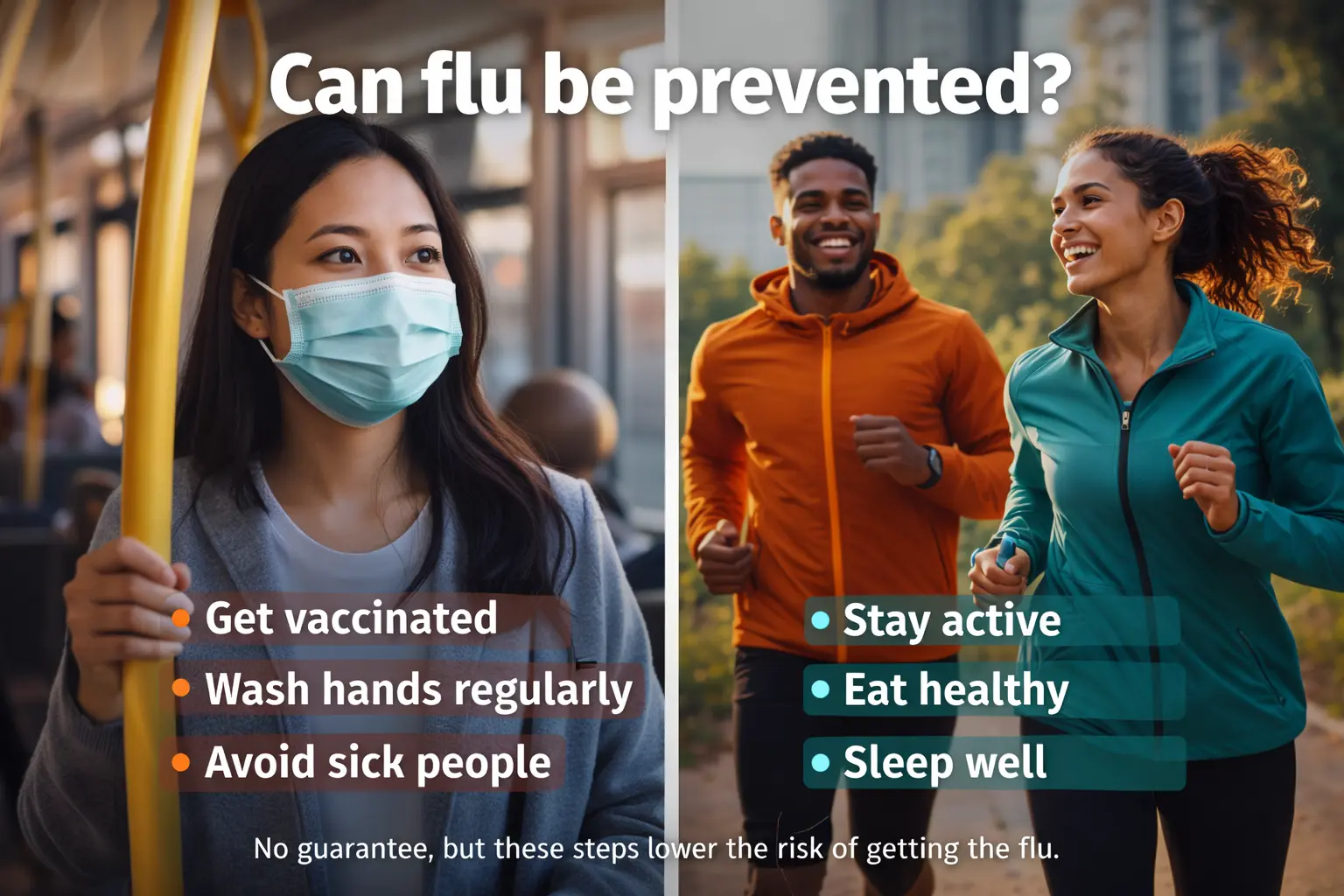
Waking up with body aches, a pounding headache, and that unmistakable scratchy throat is miserable, but here’s the truth: can flu be prevented naturally and effectively? Yes, and we’re going to show you exactly how.
Importance of vaccination
Getting an annual flu shot is genuinely the most reliable defense you have against the flu virus. Think of it this way: when you get vaccinated, your immune system learns to recognize the flu virus before it ever enters your body. This preparation means your body can fight it off faster and more effectively. The vaccine typically reduces your risk of getting sick by 40 to 60 percent, depending on the strain circulating that year. Many young adults skip vaccination because they think the flu is just a minor inconvenience, but it can lead to serious complications like pneumonia or hospitalization. Getting vaccinated before flu season starts, ideally in September or October, gives your immune system time to build up protection. Talk to your healthcare provider about which vaccine is right for you, especially if you have any underlying health conditions or allergies.
- Flu vaccines are safe and effective for most people.
- It’s recommended to get vaccinated before the flu season starts.
- Consult your healthcare provider to determine the right vaccine for you.
Healthy hygiene practices
Your hands touch your face roughly 15 times per hour without you even realizing it, and that’s how most flu viruses enter your body. Washing your hands frequently with soap and warm water for at least 20 seconds is one of the simplest yet most effective ways to stop the virus in its tracks. Pay special attention to washing after using public transportation, touching door handles, or being around sick people. Keep hand sanitizer in your bag or car for times when soap and water aren’t available. Beyond hand washing, avoid touching your eyes, nose, and mouth throughout the day, especially during peak flu season. Disinfect commonly touched surfaces in your home and workspace like your phone, keyboard, and doorknobs at least once daily. If you’re sharing living space with roommates or family members, this becomes even more critical. These habits create a barrier between you and the virus.
📘 Fix your day in under 2 minuteschoose where to begin:
Boosting your immune system
Your immune system is like a security team for your body, and it performs best when you give it what it needs. Getting seven to nine hours of quality sleep each night is non-negotiable because that’s when your body produces immune-fighting cells and proteins. Exercise for at least 30 minutes most days of the week, whether that’s a gym session, a run, or even a brisk walk. A balanced diet rich in fruits, vegetables, lean proteins, and whole grains provides the nutrients your immune system needs to function optimally. Vitamin C from citrus fruits and berries, zinc from nuts and seeds, and vitamin D from sunlight and fortified foods all play important roles. Manage stress through meditation, yoga, or activities you enjoy because chronic stress actually weakens immune function. Stay hydrated by drinking enough water throughout the day. Think of these habits as investments in your health that pay dividends not just during flu season but year-round.
Staying home when sick
The moment you start feeling unwell, staying home is not just about your comfort, it’s about protecting everyone around you. If you have symptoms like fever, cough, or body aches, you’re likely contagious and can spread the virus to coworkers, classmates, or friends for up to a week. Most workplaces and schools understand this and allow sick days specifically for this reason. While at home, rest in a comfortable space where you can recover without spreading germs. Drink plenty of fluids like water, herbal tea, and warm broths to help your body fight the infection and prevent dehydration. Avoid close contact with family members or roommates by using separate towels, dishes, and sleeping areas if possible. If you must be around others, wear a mask to reduce transmission. Monitor your symptoms and contact a healthcare provider if you develop severe symptoms like difficulty breathing or persistent chest pain. This responsible approach protects your community while giving your body the best chance to recover.
Avoiding crowded places
During peak flu season from October through March, crowded indoor spaces like shopping malls, public transit, and concert venues become transmission hotspots where the virus spreads rapidly. Young adults often underestimate how easily the flu spreads in these environments because people are coughing, sneezing, and touching shared surfaces constantly. Consider shifting your habits temporarily by doing your shopping online and having items delivered instead of browsing crowded stores. Virtual hangouts with friends work just as well as meeting in crowded coffee shops, and you can catch up just as effectively over video call. If you do need to go out, choose less crowded times like early morning or weekday afternoons. Outdoor activities like hiking, walking in parks, or playing sports are much safer because air circulation naturally disperses the virus. Wearing a mask in crowded indoor settings provides an extra layer of protection if avoiding crowds isn’t possible. These small adjustments during flu season significantly reduce your exposure to the virus.
Flu prevention involves getting vaccinated, practicing good hygiene, boosting your immune system, staying home when sick, and avoiding crowded places.
How effective are flu vaccines?
Flu vaccines can significantly reduce your risk of getting sick with the flu. While they may not offer 100% protection, getting vaccinated is still the best defense against the virus.
Can natural remedies prevent the flu?
While natural remedies like herbal supplements and vitamins may support your immune system, they are not a substitute for flu vaccination. It’s important to consult with a healthcare provider for personalized advice.
Disclaimer: This article is for informational purposes only and is not a substitute for professional medical advice. Always consult a healthcare professional for personal guidance.
This guide has been prepared and reviewed by the GlobalHealthBeacon editorial team and reflects current medical research as of 2026. It provides structured, evidence-based information to support informed health decisions.
