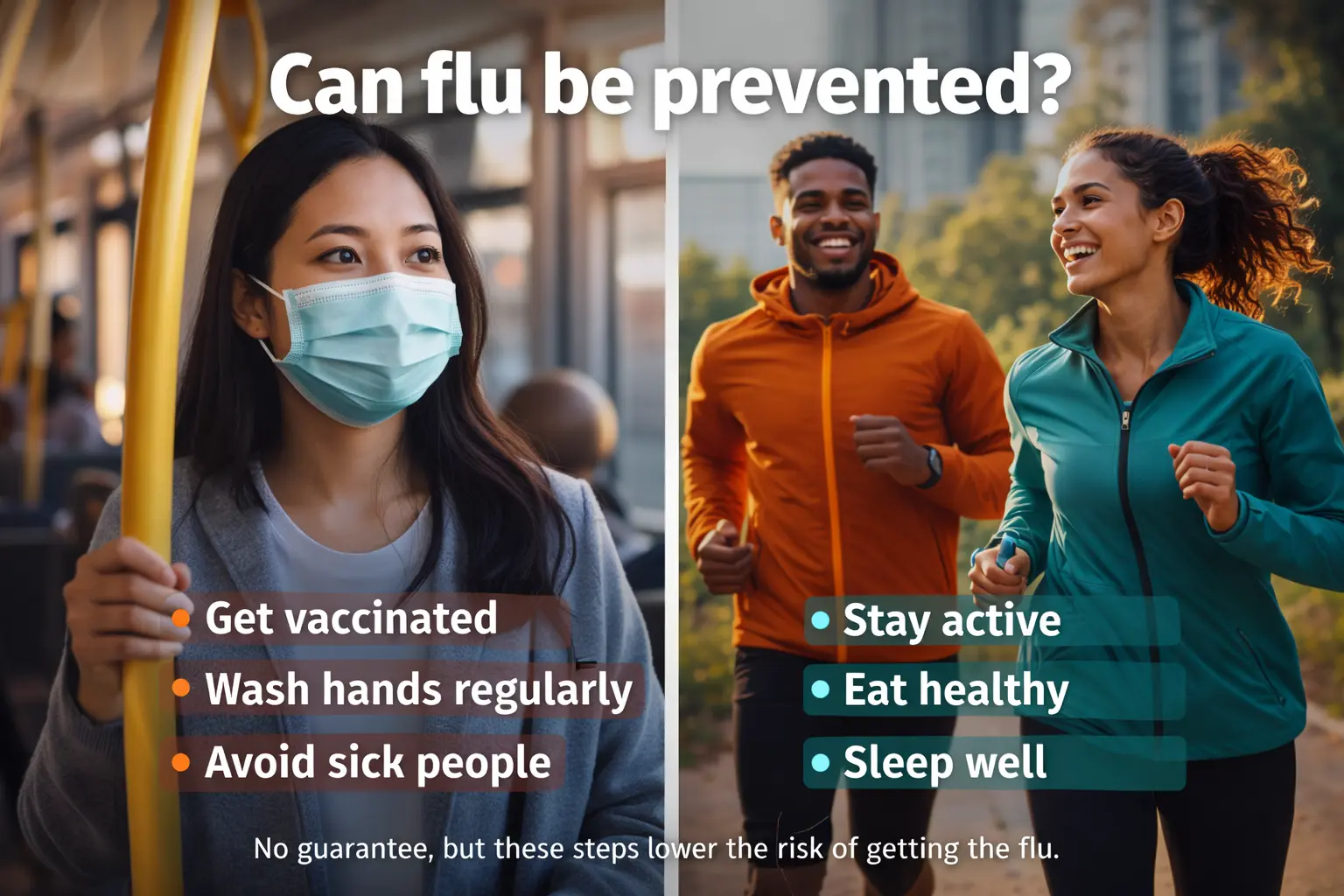
You wake up feeling like garbage, your throat’s on fire, and suddenly you’re wondering if there was actually anything you could have done to avoid this mess, or if the flu just happens to whoever it wants.
How does the flu virus spread?
The flu virus travels through the air in tiny respiratory droplets whenever someone coughs, sneezes, or even talks. Picture yourself in a crowded lecture hall during flu season. When the person next to you sneezes without covering their mouth, those droplets don’t just disappear. They can land directly on your face, or you might touch a contaminated surface like a desk or doorknob and then touch your eyes, nose, or mouth. The virus can also linger in the air for several minutes in poorly ventilated spaces. This is why flu spreads so quickly through college dorms and shared living spaces. Understanding this transmission route helps explain why certain environments pose higher risks than others. The virus doesn’t discriminate, but proximity and ventilation absolutely matter when it comes to your exposure risk.
Why vaccination is key
Vaccination works by training your immune system to recognize and fight the flu virus before you ever encounter it in the wild. When you get vaccinated, your body produces antibodies and activates immune cells that remember the virus. If you’re exposed later, your immune system springs into action immediately, often stopping infection before symptoms even start. Think of it like a fire drill for your immune system. Young adults sometimes skip the flu shot thinking they’re invincible, but the vaccine isn’t just about preventing illness in yourself. It also reduces transmission to vulnerable people around you, like elderly relatives or immunocompromised friends. The vaccine’s effectiveness varies year to year depending on how well researchers predicted which flu strains would circulate, but even in lower-efficacy years, it significantly reduces severity. Getting vaccinated annually is the single most evidence-backed strategy for flu prevention available.
Natural ways to boost immunity
While no food or supplement can prevent flu on its own, certain lifestyle choices genuinely support your immune system’s ability to fight infection. Eating a diet rich in fruits, vegetables, and whole grains provides vitamins and minerals your immune cells need to function optimally. Vitamin D, which your body produces from sunlight exposure and certain foods, plays a documented role in immune regulation. Regular exercise improves circulation and helps immune cells move through your body more effectively. Sleep is equally critical but often overlooked by young adults. When you’re sleep-deprived, your immune response weakens significantly. Imagine your immune system as a team of workers. Proper nutrition, movement, sunlight, and rest are what keep that team energized and ready to respond. These strategies won’t replace vaccination, but they create conditions where your body can mount a stronger defense if exposed to the virus.
- Maintain a balanced diet
- Engage in physical activity
- Get sufficient vitamin D
🔬 Science-backed benefits in 2 minuteschoose where to begin:
The role of hygiene in prevention
Good hygiene practices create a barrier between you and the virus. Washing your hands frequently, especially before eating or touching your face, removes viruses that may have landed on your skin. The key is proper technique: wet hands with soap and water, scrub for at least 20 seconds, and dry thoroughly. Hand sanitizer works in a pinch when soap isn’t available, but it’s less effective on visibly dirty hands. Beyond hand washing, avoiding close contact with sick people is straightforward but requires discipline. When someone at work or in your friend group is visibly ill, keeping distance reduces your exposure risk. Using tissues or your elbow to cover coughs and sneezes prevents you from becoming a transmission source. These habits feel simple, but they’re surprisingly effective. Young adults often underestimate how much their daily hygiene choices impact their health and the health of those around them.
Understanding antiviral medications
Antiviral medications like oseltamivir work by blocking the flu virus’s ability to replicate inside your cells. If taken within 48 hours of symptom onset, antivirals can reduce illness duration and lower the risk of serious complications. They’re particularly valuable for high-risk individuals, including those with chronic health conditions, pregnant people, or anyone at risk of severe illness. Antivirals aren’t a substitute for vaccination, and they don’t work as a preventive for most people. However, in specific situations, doctors may prescribe them preventively for someone who’s been exposed and is at high risk. The medication requires a prescription and works best when started early. Young adults sometimes assume antivirals are a backup plan if they skip vaccination, but that’s not how the evidence works. Vaccination remains the primary prevention strategy, while antivirals serve as a secondary tool for treatment or protection in specific circumstances.
Limiting exposure to the virus
During peak flu season, typically November through March, reducing your exposure to the virus is a practical strategy. Avoiding crowded indoor spaces when flu activity is high lowers your chances of encountering infected people. This doesn’t mean isolating yourself, but being strategic about where you spend time. If you must be in crowded environments, maintaining physical distance from visibly ill people helps. Using tissues or your elbow when you cough or sneeze prevents you from spreading the virus if you’re infected. Keeping your living space well-ventilated also matters. Stale air in dorm rooms or shared apartments allows virus particles to accumulate. Opening windows, using fans, or spending time outdoors improves air quality. For young adults balancing social life with health, this means making conscious choices about which events matter most during peak flu season. You don’t need to become a hermit, but awareness of your environment and deliberate choices about exposure can meaningfully reduce your risk.
Flu prevention combines multiple strategies working together. Vaccination remains the most effective tool, but understanding how the virus spreads helps you make informed choices about exposure. Supporting your immune system through nutrition, exercise, and sleep creates a stronger foundation for fighting infection. Good hygiene practices and limiting exposure during peak season provide additional layers of protection. While no single strategy guarantees you won’t get sick, combining these approaches significantly reduces your risk and the severity of illness if you do get infected.
Can the flu shot give you the flu?
No, the flu shot contains an inactivated virus that cannot cause the flu. It may cause mild side effects like soreness at the injection site or low-grade fever. Some people confuse these minor reactions with actual flu illness, but the vaccine itself cannot infect you with the virus.
How long does the flu virus survive on surfaces?
The flu virus can survive on surfaces for up to 48 hours, though it typically remains viable for shorter periods. Regular cleaning and disinfection of frequently touched surfaces like doorknobs, phones, and keyboards can help reduce transmission risk in shared spaces.
Others also read:
Disclaimer: This article is for informational purposes only and is not a substitute for professional medical advice. Always consult a healthcare professional for personal guidance.
This article has been prepared and reviewed by the GlobalHealthBeacon editorial team and is based on current medical research and published scientific literature available in 2026. It provides structured, evidence-based information to support informed health decisions.
