You’re exhausted, your throat feels like sandpaper, and you’re wondering if there was anything you could have actually done to avoid this mess, or if the flu just happens to whoever it wants.
Understanding influenza virus
The influenza virus operates like an unwelcome visitor that spreads primarily through respiratory droplets released when someone coughs, sneezes, or even talks. When you’re in close proximity to an infected person, these tiny droplets can land on your mucous membranes in your nose, mouth, or eyes, allowing the virus to establish infection. What makes influenza particularly challenging is its ability to survive on surfaces for hours and mutate rapidly, which is why the virus looks different each season. Think of it like this: if you touch a contaminated doorknob and then touch your face before washing your hands, you’ve essentially invited the virus directly into your respiratory system. The virus then hijacks your cells to replicate itself, triggering your immune system’s inflammatory response, which is what causes the symptoms you experience. Understanding this mechanism helps explain why prevention strategies focus on interrupting these transmission pathways before the virus ever reaches your body.
Flu vaccine efficacy
Vaccination remains the most scientifically supported method for flu prevention, though it’s important to understand what efficacy actually means in this context. Each year, health organizations predict which flu strains will circulate most widely and create vaccines targeting those specific strains. When the vaccine matches the circulating strains well, effectiveness can reach 40 to 60 percent, meaning vaccinated individuals are significantly less likely to develop symptomatic flu. Even when the match is imperfect, vaccination still reduces severity, duration, and hospitalization risk. Consider Sarah, a 58-year-old woman who got vaccinated last year but still contracted the flu. While she was frustrated initially, her illness lasted only three days with mild symptoms, whereas her unvaccinated neighbor was hospitalized for a week. The vaccine essentially gave Sarah’s immune system a head start, allowing her body to recognize and fight the virus more efficiently. This is why health experts consistently recommend annual vaccination as your first line of defense.
Tips for flu prevention
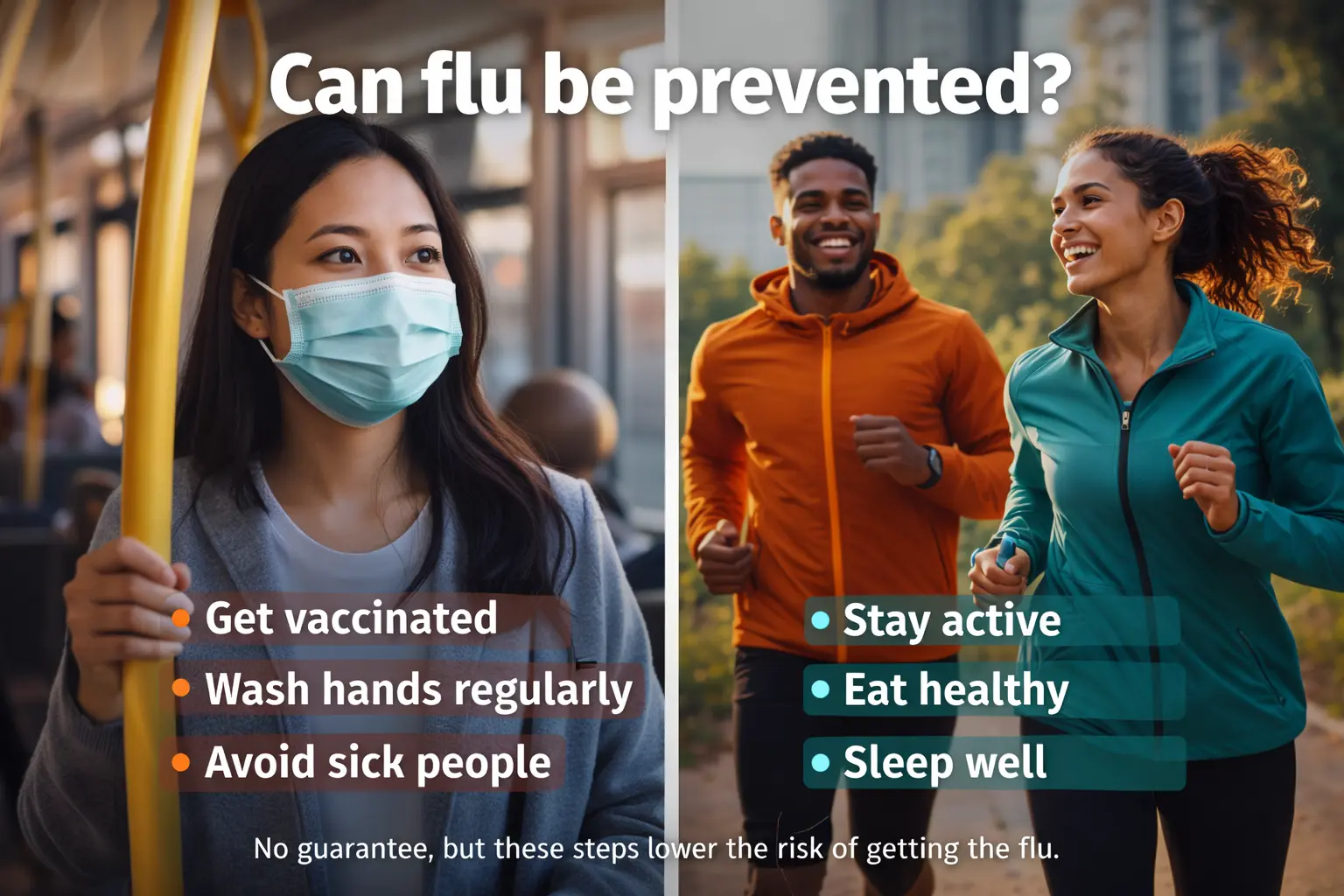
Beyond vaccination, multiple evidence-based strategies work together to create layers of protection against influenza. Hand hygiene stands as one of the most powerful tools at your disposal, yet many people underestimate its importance. When you wash your hands for at least 20 seconds with soap and water, you’re physically removing viral particles that may have landed on your skin. This becomes especially critical after touching public surfaces, before eating, and after being around sick people. Avoiding close contact with individuals showing flu symptoms gives your immune system the best chance to stay uncompromised. Additionally, maintaining a healthy lifestyle through proper nutrition, consistent hydration, and adequate sleep strengthens your immune response. Think of your immune system like a security team: when you’re well-rested and well-nourished, your security team is alert and ready. When you’re exhausted and dehydrated, they’re sluggish and less effective at spotting threats. These preventive behaviors work synergistically with vaccination to create meaningful protection.
- Wash hands regularly for at least 20 seconds with soap and water, especially after touching public surfaces or being around sick individuals.
- Avoid touching your face, especially your eyes, nose, and mouth, as these are primary entry points for the virus.
- Stay home when feeling unwell to prevent spreading the virus to others and allow your body to focus on recovery.
🔬 Science-backed benefits in 2 minuteschoose where to begin:
Environmental precautions
Your physical environment plays a significant role in flu transmission, which is why environmental precautions deserve serious attention. The influenza virus can survive on hard surfaces like doorknobs, light switches, and countertops for several hours, creating a silent transmission pathway in shared spaces. Regularly disinfecting these frequently touched surfaces with appropriate cleaning products disrupts this pathway and reduces your exposure risk. In your home, focus on high-touch areas like bathroom faucets, kitchen counters, and remote controls. In workplace settings, wiping down your desk, keyboard, and phone regularly creates a protective barrier. During peak flu season, some women find it helpful to keep disinfectant wipes in their car, purse, or desk drawer for quick cleanups. This isn’t about obsessive cleaning but rather strategic, targeted disinfection of the surfaces you and others touch most frequently. When combined with hand hygiene and vaccination, environmental precautions create a comprehensive approach that addresses multiple transmission routes simultaneously.
Flu symptoms and early detection
Recognizing flu symptoms early empowers you to take immediate action that limits both your suffering and your potential to spread the virus to others. The flu typically arrives suddenly, unlike the gradual onset of a common cold. You might experience fever, often accompanied by chills, a persistent cough, sore throat, muscle aches, fatigue, and sometimes headaches. Some women report that the muscle aches feel almost debilitating, making even simple movements uncomfortable. Early detection matters because antivirals like oseltamivir are most effective when started within 48 hours of symptom onset, potentially reducing illness duration by a day or two. If you notice these symptoms developing, staying home immediately prevents transmission to coworkers, family members, and vulnerable individuals like elderly parents or young children. Keeping a symptom log during flu season helps you distinguish between a cold and actual influenza, enabling faster decision-making about whether to seek medical evaluation. This awareness transforms you from a passive victim of illness into an active participant in your own health management.
Public health measures
Individual prevention efforts gain tremendous power when supported by broader public health initiatives working at the community and population level. Flu surveillance systems monitor circulating strains in real time, providing data that informs vaccine development and helps predict which strains will dominate each season. Community education campaigns increase vaccination awareness and combat misinformation that might otherwise discourage people from getting protected. Vaccination campaigns in workplaces, pharmacies, and community centers make it convenient for women to access vaccines without major scheduling disruptions. When vaccination rates reach certain thresholds in a community, herd immunity effects emerge, providing indirect protection even to those who cannot be vaccinated due to allergies or medical conditions. Public health measures also include monitoring for unusual patterns that might signal emerging threats, allowing rapid response before outbreaks become widespread. Understanding that your personal prevention choices contribute to these larger protective effects can feel empowering, knowing that your vaccination decision helps shield vulnerable neighbors and community members.
Flu prevention operates on multiple levels, from understanding how the influenza virus spreads through respiratory droplets to recognizing the critical role vaccination plays in your defense strategy. Combining annual vaccination with consistent hand hygiene, environmental precautions, and early symptom detection creates a comprehensive approach grounded in scientific evidence. Public health measures amplify these individual efforts, creating community-wide protection that benefits everyone. By taking these steps seriously, you’re not just protecting yourself but also contributing to the health and safety of those around you.
Is the flu vaccine 100% effective in preventing the flu?
The flu vaccine’s effectiveness varies each year depending on how well it matches the circulating flu strains, typically ranging from 40 to 60 percent effectiveness. Despite this variable protection, vaccination remains the best preventive measure against the flu because even partial protection reduces your risk of infection, severity of illness, and hospitalization. Think of it like wearing a seatbelt: it doesn’t guarantee you’ll never be in an accident, but it significantly improves your chances of walking away unharmed.
Can herbal remedies prevent the flu?
While some herbal remedies like elderberry, echinacea, and ginger have been studied for their potential immune-boosting properties, scientific evidence supporting their effectiveness in flu prevention remains limited and inconsistent. Some studies show modest benefits, while others show no significant difference compared to placebo. It is advisable to rely on proven methods like vaccination and hygiene practices as your primary prevention strategy, though herbal remedies may complement these approaches as part of overall wellness.
Others also read:
Disclaimer: This article is for informational purposes only and is not a substitute for professional medical advice. Always consult a healthcare professional for personal guidance.
This article has been prepared and reviewed by the GlobalHealthBeacon editorial team and is based on current medical research and published scientific literature available in 2026. It provides structured, evidence-based information to support informed health decisions.
