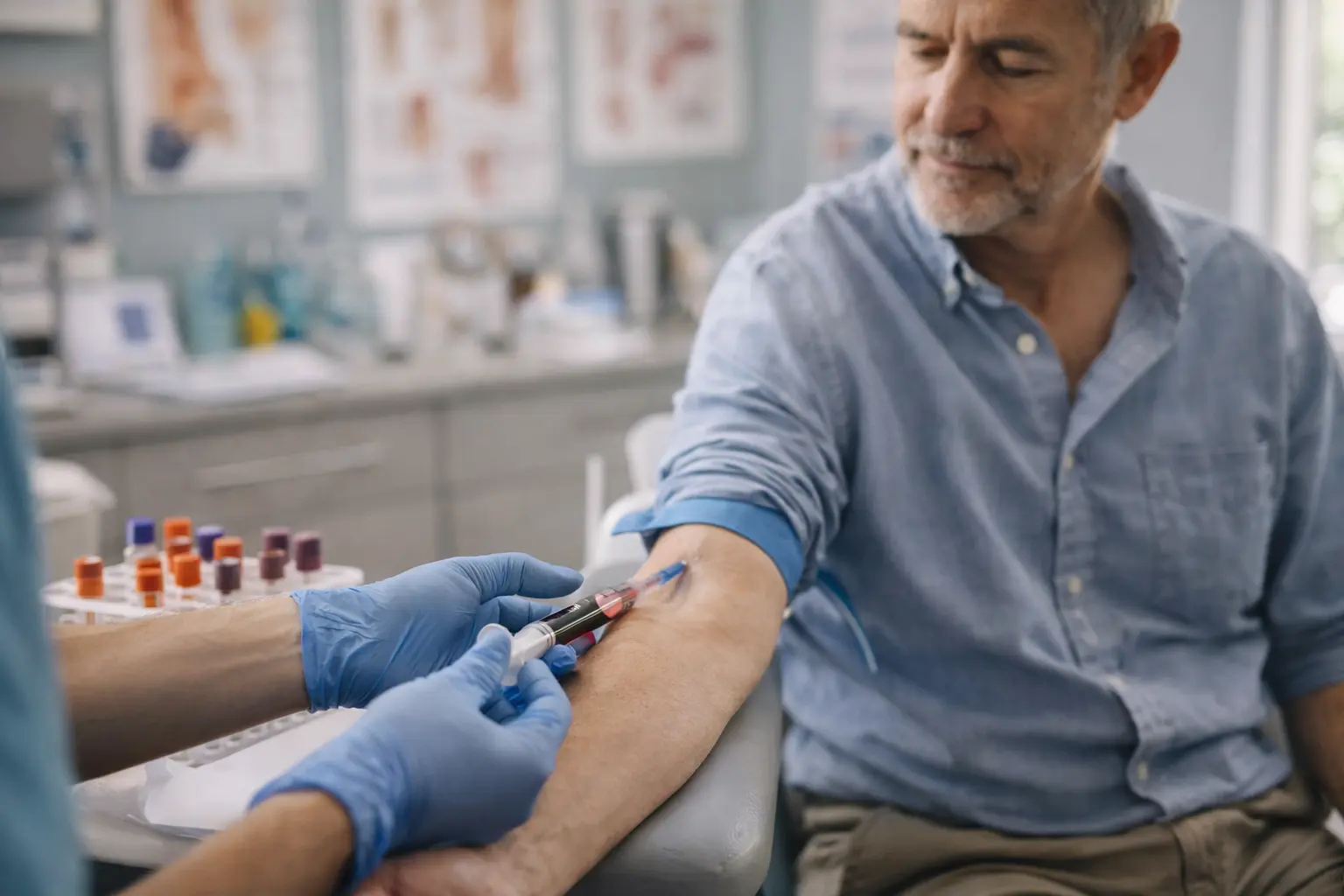
You’re 25, feeling fine, then your doctor casually mentions your cholesterol and suddenly you’re spiraling about heart disease before you even know what a cholesterol test lipid panel actually measures.
Understanding the cholesterol test
When I first heard I needed a cholesterol test lipid panel, I honestly had no idea what that meant. I thought cholesterol was just one number, right? Wrong. Your lipid panel is basically a detailed report card for your heart health. It breaks down four key measurements: total cholesterol (the sum of everything), HDL or good cholesterol (the stuff protecting your arteries), LDL or bad cholesterol (the troublemaker), and triglycerides (another type of fat in your blood). Think of it like checking your car’s engine. You wouldn’t just look at one gauge and call it a day. You need the full picture. The test requires fasting for 9 to 12 hours beforehand, which means no food or drinks except water the night before. It sounds annoying, but it ensures your results are accurate and not skewed by what you ate that morning.
- Lipid panel tests total cholesterol, HDL (good) cholesterol, LDL (bad) cholesterol, and triglycerides.
- Results can indicate if your cholesterol levels are within a healthy range or if intervention is needed.
- Fasting for 9-12 hours before the test is usually required for accurate results.
Interpreting the results
Getting your results back can feel overwhelming, especially if you see numbers that seem high. I remember staring at my lipid panel results thinking, what do these actually mean for me? Your healthcare provider will explain that LDL cholesterol is the villain here. High LDL means more plaque buildup in your arteries, which increases your risk of heart disease and stroke. On the flip side, HDL cholesterol is your bodyguard. The higher your HDL, the better it protects you. Triglycerides matter too, especially if yours are elevated. The numbers themselves might look confusing at first, but your doctor will walk you through what’s normal, what’s borderline, and what needs attention. They’ll also consider your age, family history, and other risk factors before recommending next steps. Don’t panic if your first results aren’t perfect. Many young adults discover they have room for improvement, and that’s actually a gift because you have time to make changes.
💬 Ready to feel better in 2 minutes?choose where to begin:
Making lifestyle changes
Here’s the thing nobody tells you: managing cholesterol doesn’t require some extreme overhaul. It’s about small, sustainable shifts that add up over time. Start with your diet. Swap out saturated fats like butter and fatty meats for heart-healthy options like olive oil, nuts, and fatty fish like salmon. Eat more fiber through whole grains, beans, and vegetables. These changes genuinely help lower LDL cholesterol. Then there’s movement. You don’t need to become a gym rat. Even 30 minutes of moderate activity most days, whether that’s brisk walking, cycling, or dancing in your room, makes a real difference. I started taking the stairs instead of the elevator and going for evening walks, and my numbers improved noticeably. Avoid smoking if you haven’t started, and if you do smoke, quitting is one of the most powerful things you can do for your cholesterol and overall heart health. Maintaining a healthy weight helps too. Even losing 5 to 10 pounds can shift your cholesterol profile in the right direction.
Regular monitoring and follow-up
Your first cholesterol test isn’t a one-time event. It’s the beginning of a conversation with your body. After your initial test, you’ll want to retest in a few weeks or months to see if lifestyle changes are working or if medication might be needed. Tracking your numbers over time reveals patterns and progress. Maybe you’ll notice that when you exercise consistently for a month, your LDL drops. Or that cutting back on processed foods actually makes a visible difference. This data becomes your personal roadmap. Your healthcare provider will recommend how often you should retest based on your results and risk factors. Some people need testing every year, others every few years. The key is consistency. Don’t just get tested once and forget about it. Think of it like maintaining your phone or car. Regular check-ins catch problems early and keep everything running smoothly. Plus, seeing your numbers improve over time is incredibly motivating and gives you real proof that your efforts matter.
The cholesterol test lipid panel provides valuable insights into your heart health by measuring different types of cholesterol and triglycerides. Understanding the test results, making lifestyle changes, and regular monitoring are key steps in managing cholesterol levels for a healthy heart.
How often should young adults get a cholesterol test?
Young adults with no known risk factors for heart disease should have their cholesterol tested once every 4-6 years. Those with risk factors like obesity or a family history of heart disease may need more frequent testing.
Can lifestyle changes alone lower cholesterol levels?
Yes, adopting a heart-healthy lifestyle can significantly impact cholesterol levels. Eating a balanced diet, exercising regularly, and avoiding tobacco are essential steps in managing cholesterol without medication.
Others also read:
Disclaimer: This article is for informational purposes only and is not a substitute for professional medical advice. Always consult a healthcare professional for personal guidance.
This article presents an experience-based perspective and has been reviewed by the GlobalHealthBeacon editorial team in 2026. It provides structured, evidence-based information to support informed health decisions.
