You’re getting older, your doctor mentions cholesterol, and suddenly you’re wondering if your diet of late-night pizza and energy drinks has finally caught up with you – welcome to the cholesterol test lipid panel reality check that every young adult needs to understand.
Understanding the cholesterol test lipid panel
A cholesterol test lipid panel isn’t just another routine blood work checkbox. Think of it as a detailed report card for your cardiovascular system. This test breaks down four key measurements: LDL cholesterol (the bad actor clogging your arteries), HDL cholesterol (your heart’s best friend), total cholesterol (the sum of everything), and triglycerides (a type of fat in your blood that matters more than you think). Imagine your arteries as highways. LDL is like traffic congestion building up, while HDL acts like a cleanup crew removing debris. Your lifestyle choices directly influence these numbers. That weekend drinking binge, skipping the gym for three weeks, or stress eating during exam season all leave fingerprints on your lipid panel results. Understanding this connection helps you see why your doctor keeps bringing it up. The test reveals your actual risk for heart attacks and strokes, conditions that feel distant when you’re young but are quietly building if your numbers are off.
- Learn the specific lipid panel values such as LDL (bad) cholesterol, HDL (good) cholesterol, total cholesterol, and triglycerides.
- Understand how lifestyle factors like diet, exercise, and smoking can impact your lipid panel results.
- Recognize the importance of the test in assessing your risk for cardiovascular diseases like heart attacks and strokes.
Preparing for the test
Preparation is where most people stumble, and it’s actually simple if you follow the rules. Your doctor will tell you to fast for 9 to 12 hours before the test, which means no food or drinks except water. This isn’t arbitrary. Eating before the test, especially fatty foods, temporarily raises your triglyceride levels and can skew your results. Picture this: you grab a burger and fries the morning of your test, your numbers spike artificially, and suddenly you’re prescribed medication you might not actually need. Schedule your test for early morning so fasting feels less brutal. Skip breakfast, bring water, and distract yourself with work or a show. The night before, eat a normal, balanced meal but avoid heavy, greasy foods. Also avoid alcohol for 24 hours prior. Alcohol affects triglyceride levels significantly and can make your results unreliable. If you take regular medications, ask your doctor whether to take them before the test. Most medications don’t interfere, but some do, and your doctor needs to know exactly what you took.
📘 Fix your day in under 2 minuteschoose where to begin:
During the test
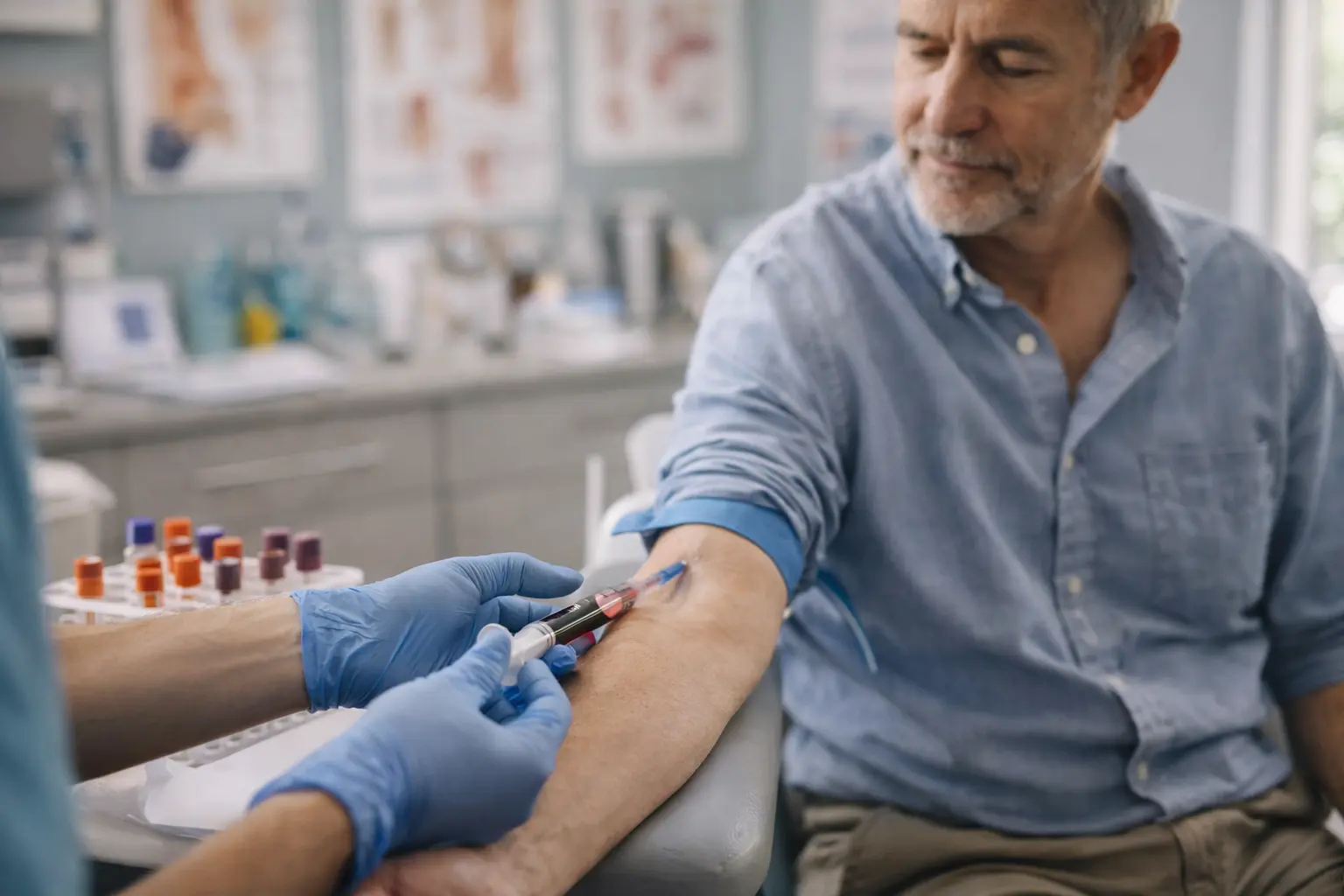
The actual cholesterol test lipid panel procedure is straightforward and takes about five minutes. A phlebotomist will have you sit in a comfortable chair, tie a tourniquet around your upper arm to make veins more visible, and draw blood from a vein, usually in your inner elbow. Yes, you’ll feel a small pinch, but it’s genuinely quick. The needle is thin, and most people describe it as less painful than a paper cut. Anxiety amplifies the experience, so take deep breaths and look away if needles make you queasy. Tell the phlebotomist you’re nervous; they’ve heard it a thousand times and know how to make it easier. Some people feel lightheaded after blood draws, so stay seated for a moment afterward and drink water. Eat something light within an hour. Your body just gave up blood, and your blood sugar is probably low from fasting. A banana, toast, or juice helps you feel normal again. The whole experience is genuinely painless compared to the insight you gain about your health.
Interpreting the results
Your results arrive as numbers that might look confusing at first, but they tell a clear story about your heart health. LDL should ideally be below 100 mg/dL, HDL should be above 40 mg/dL for men and 50 mg/dL for women, total cholesterol under 200 mg/dL is optimal, and triglycerides should stay below 150 mg/dL. But here’s the thing: these numbers only make sense in context. A young adult with slightly elevated LDL but excellent HDL and no family history of heart disease faces different risks than someone with multiple red flags. Your doctor interprets your results against your age, family history, smoking status, blood pressure, and diabetes risk. They’re not just looking at numbers in isolation; they’re assessing your overall cardiovascular risk profile. Schedule a follow-up appointment to discuss your results rather than just reading them online. Your doctor can explain what your specific numbers mean for you personally and whether lifestyle changes alone will help or if medication is necessary. Don’t panic if numbers are slightly off. Many young adults have room for improvement, and that’s exactly what this test is designed to reveal.
Taking action for your health
Your cholesterol test lipid panel results are a wake-up call, not a diagnosis of doom. If your numbers need improvement, you have clear levers to pull. Dietary changes matter enormously. Swap saturated fats (butter, fatty meats) for unsaturated fats (olive oil, avocados, nuts). Increase fiber through whole grains, beans, and vegetables; fiber actively lowers LDL cholesterol. Cut back on refined sugars and processed foods, which spike triglycerides. Exercise is your secret weapon. Even 30 minutes of moderate activity like brisk walking five times a week meaningfully improves your lipid profile within weeks. Weight management helps too; losing just 5 to 10 percent of your body weight can lower LDL and triglycerides while raising HDL. If you smoke, quitting is the single most impactful change you can make. Smoking directly damages your HDL and increases your cardiovascular risk dramatically. Some young adults need medication alongside lifestyle changes, and that’s okay. Statins are safe and effective when prescribed appropriately. The key is taking action now, not waiting until you’re older and damage has accumulated. Retest your cholesterol in three to six months to see if your changes are working.
Understand the significance of your cholesterol test lipid panel, prepare effectively, interpret the results accurately, and take proactive steps towards better heart health.
Are there any specific foods I should avoid before the cholesterol test lipid panel?
It’s advisable to avoid heavy or high-fat meals before the test, as they can skew your lipid panel results. Stick to a light, healthy meal the night before and fast for the recommended time before the test.
How often should young adults get their cholesterol test lipid panel done?
For young adults without major risk factors, getting a cholesterol test lipid panel done every 5 years is typically recommended. However, individuals with risk factors like obesity, smoking, or a family history of heart disease may need more frequent testing.
Others also read:
Disclaimer: This article is for informational purposes only and is not a substitute for professional medical advice. Always consult a healthcare professional for personal guidance.
This guide has been prepared and reviewed by the GlobalHealthBeacon editorial team and reflects current medical research as of 2026. It provides structured, evidence-based information to support informed health decisions.
