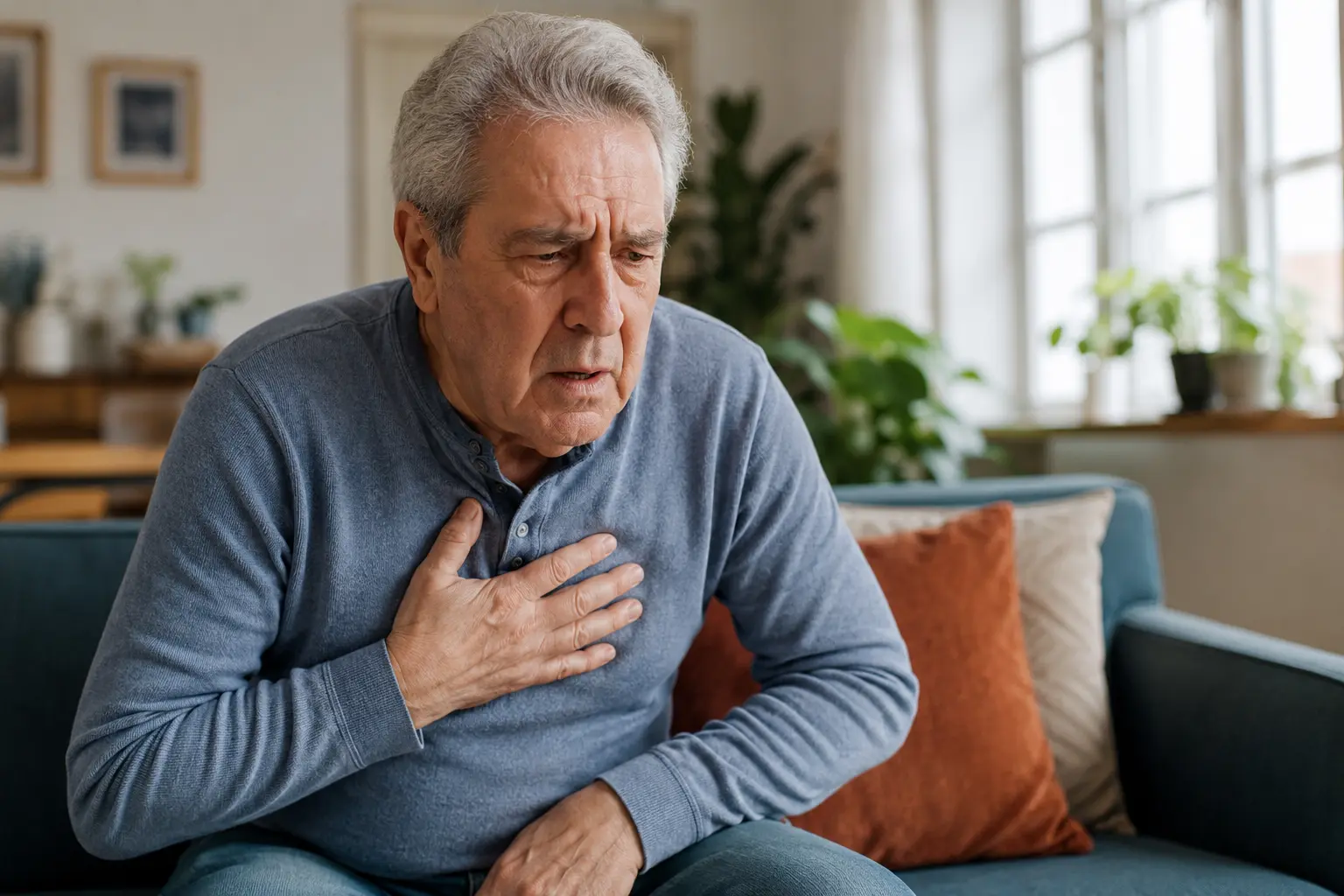
Waking up short of breath, that nagging cough that won’t quit, feeling like your chest is tightening up – chronic lung disease explained means understanding why your body feels different after 65 and what you can actually do about it.
Recognizing the signs of chronic lung disease
Your body sends signals, and learning to read them is your first line of defense. A persistent cough that lingers for weeks, shortness of breath that shows up during simple tasks like climbing stairs or walking to the mailbox, chest tightness that feels like pressure, and wheezing sounds when you breathe are all red flags worth taking seriously. Think of it this way: if you used to walk your neighborhood without thinking twice but now find yourself stopping to catch your breath halfway through, that change matters. Some people describe the sensation as their lungs feeling heavy or restricted, especially in the morning or after physical activity. Others notice they tire more easily than they used to. The key is recognizing patterns. If these symptoms persist for more than a few weeks or worsen over time, schedule a conversation with your healthcare provider. Early recognition can make a real difference in how well you manage your condition moving forward.
- Persistent cough
- Shortness of breath
- Chest tightness
- Wheezing
Managing chronic lung disease through lifestyle changes
Lifestyle adjustments form the foundation of managing chronic lung disease effectively, and the good news is that many of these changes are within your control. If you smoke, quitting is the single most impactful step you can take – your lungs begin healing almost immediately after you stop. Staying physically active doesn’t mean running marathons; it means gentle, consistent movement like walking, swimming, or tai chi that keeps your respiratory system engaged without overwhelming it. Maintaining a healthy weight reduces the strain on your lungs and heart, making breathing easier during daily activities. Avoiding pollutants is equally crucial: secondhand smoke, air pollution, dust, and chemical fumes all irritate airways and worsen symptoms. Consider the air quality in your home and workplace. Use air purifiers if needed, keep windows closed on high pollution days, and avoid strong cleaning chemicals or perfumes. Think of these changes as building a protective environment for your lungs. A 68-year-old retired teacher, for example, found that combining daily 20-minute walks with avoiding her neighbor’s secondhand smoke significantly improved her breathing capacity within three months.
📘 Fix your day in under 2 minuteschoose where to begin:
Understanding medications for chronic lung disease
Medications work like tools in a toolbox, each designed for a specific purpose in managing your condition. Bronchodilators are inhalers that relax the muscles around your airways, making breathing easier and more comfortable. Corticosteroids reduce inflammation in your lungs, which is often the root cause of breathing difficulties. Antibiotics may be prescribed when infections complicate your condition, as people with chronic lung disease are more vulnerable to respiratory infections. Your doctor will determine which medications suit your specific situation based on your diagnosis, severity, and how your body responds to treatment. It’s important to understand how to use your inhalers correctly, as improper technique means the medication doesn’t reach your lungs effectively. Ask your healthcare provider or pharmacist to watch you use your inhaler and correct your technique if needed. Keep track of when you use rescue inhalers versus maintenance medications, as this information helps your doctor adjust your treatment plan. Many people find it helpful to set phone reminders for daily medications or use a pill organizer to stay consistent with their routine.
Importance of regular check-ups and vaccinations
Regular appointments with your healthcare provider aren’t just routine visits; they’re opportunities to catch changes early and adjust your treatment before problems escalate. During these check-ups, your doctor monitors lung function through breathing tests, listens to your lungs, and assesses how well your current medications are working. Think of these visits as tune-ups for your respiratory system. Vaccinations deserve special attention because people with chronic lung disease face higher risks from infections like the flu and pneumonia. The flu shot should become an annual ritual each fall, and the pneumonia vaccine offers protection against a serious infection that can severely compromise lung function. Some seniors also benefit from the RSV vaccine, which protects against respiratory syncytial virus. These preventive measures aren’t just about avoiding illness; they’re about protecting the lung function you have. A 72-year-old with COPD who stayed current on vaccinations avoided hospitalization during a particularly severe flu season, while a neighbor who skipped the vaccine spent two weeks in the hospital. The difference these simple preventive steps make is substantial.
Seeking support from pulmonary rehabilitation programs
Pulmonary rehabilitation programs are structured, medically supervised programs designed specifically for people managing chronic lung disease. These programs combine exercise training tailored to your lung capacity, education about your condition, breathing techniques that improve efficiency, and emotional support from others facing similar challenges. During sessions, you’ll learn pursed-lip breathing and diaphragmatic breathing techniques that help you use your lungs more effectively and reduce the sensation of breathlessness. Exercise components are carefully calibrated to build your endurance without pushing you into distress. Many programs also cover nutrition, medication management, and strategies for maintaining independence in daily activities. The educational component helps you understand your condition deeply, which reduces anxiety and builds confidence in managing symptoms. Beyond the practical benefits, these programs connect you with others who truly understand what you’re experiencing. That sense of community and shared experience often proves as valuable as the physical training. Ask your doctor about pulmonary rehabilitation programs in your area; many are covered by insurance, and they typically run for 8 to 12 weeks with sessions several times per week.
Recognize the signs of chronic lung disease, implement lifestyle changes, understand medications, prioritize regular check-ups, and explore pulmonary rehabilitation programs to manage the condition effectively.
Can chronic lung disease be cured?
While chronic lung disease cannot be cured, early diagnosis and proper management can help improve symptoms and quality of life.
Are there specific exercises that can benefit individuals with chronic lung disease?
Certain exercises like diaphragmatic breathing, pursed lip breathing, and aerobic exercises can help improve lung function and overall respiratory health in individuals with chronic lung disease.
Others also read:
Disclaimer: This article is for informational purposes only and is not a substitute for professional medical advice. Always consult a healthcare professional for personal guidance.
This guide has been prepared and reviewed by the GlobalHealthBeacon editorial team and reflects current medical research as of 2026. It provides structured, evidence-based information to support informed health decisions.
