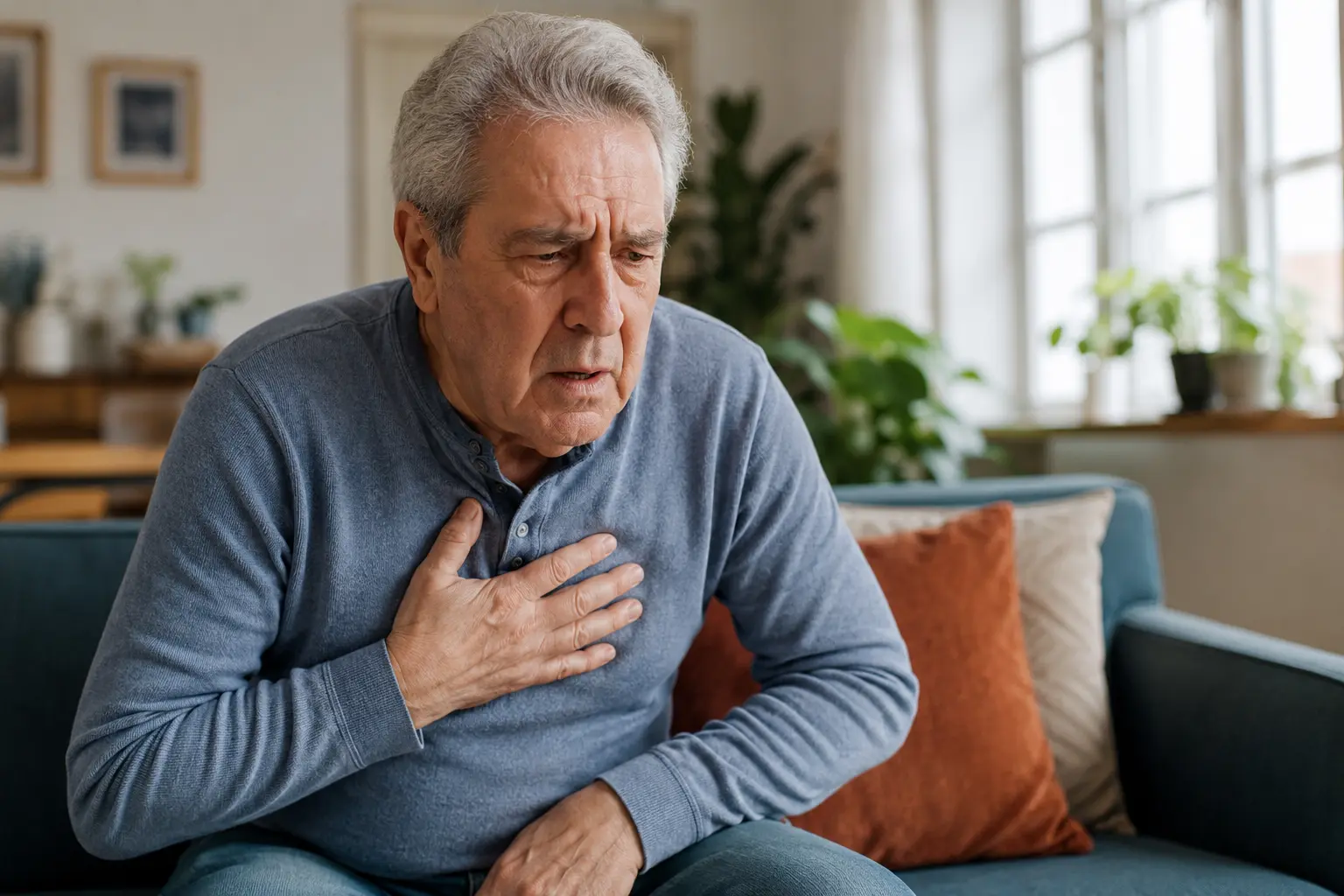
Every breath feels like work, and you’re tired of pretending everything is fine, so let’s talk about what chronic lung disease actually is and why it matters for you.
The basics of chronic lung disease
Chronic lung disease represents a group of conditions that gradually compromise the lungs’ ability to exchange oxygen and carbon dioxide efficiently. For seniors, this often feels like a slow erosion of independence. The most common types include chronic obstructive pulmonary disease (COPD), which encompasses emphysema and chronic bronchitis, asthma that persists into later years, and pulmonary fibrosis, where lung tissue becomes scarred and stiff. Each condition affects the respiratory system differently. In COPD, airways narrow and lose elasticity, making exhalation difficult. In asthma, airways become inflamed and constricted during attacks. In pulmonary fibrosis, the lung tissue thickens and hardens, reducing flexibility. Understanding which type affects you matters because treatment approaches vary significantly. A senior with emphysema faces different challenges than one with asthma, even though both struggle with breathing.
Causes and risk factors
The path to chronic lung disease rarely appears overnight. Smoking remains the leading cause, with decades of exposure to smoke damaging the delicate lung tissue and airways. But it is not just active smoking. Secondhand smoke exposure, occupational hazards like asbestos or silica dust, and long-term air pollution exposure all contribute. Some seniors develop lung disease after years working in factories, mines, or construction without proper protection. Genetic predisposition plays a role too. Alpha-1 antitrypsin deficiency, an inherited condition, causes early-onset emphysema in some families. Respiratory infections, particularly severe pneumonia or tuberculosis earlier in life, can leave lasting scarring. Environmental factors matter as well. Living in areas with high air pollution or in homes with poor ventilation increases risk. Age itself is a factor, as lung function naturally declines over time, making seniors more vulnerable when combined with other exposures.
Mechanisms behind chronic lung disease
At the cellular level, chronic lung disease involves persistent inflammation that damages lung tissue over time. When irritants like smoke or pollutants enter the lungs repeatedly, the immune system responds by releasing inflammatory chemicals. This inflammation damages the delicate alveoli, the tiny air sacs where oxygen enters the bloodstream. The airways themselves become thickened and narrowed, and mucus production increases, making it harder to clear secretions. In emphysema, the walls between alveoli break down, creating larger, less efficient air spaces. In fibrosis, scar tissue replaces healthy lung tissue, reducing elasticity. These structural changes mean the lungs cannot expand and contract as effectively, requiring more effort to breathe. Seniors often describe this as heaviness in the chest or feeling like they cannot get enough air. The good news is that understanding these mechanisms helps guide management. Smoking cessation stops further damage. Regular physical activity strengthens respiratory muscles and improves oxygen utilization. Consistent medication use reduces inflammation and opens airways, making breathing easier.
- Quit smoking to prevent additional lung tissue damage and allow some healing to occur.
- Engage in regular physical activity like walking or water aerobics to strengthen respiratory muscles and improve oxygen efficiency.
- Follow your prescribed medication regimen consistently, including inhalers and other treatments as directed by your healthcare provider.
🔬 Science-backed benefits in 2 minuteschoose where to begin:
Diagnosis and management
Diagnosing chronic lung disease begins with your medical history and symptoms. A doctor will ask about smoking exposure, occupational history, and when breathing problems started. Pulmonary function tests, or spirometry, measure how much air your lungs hold and how quickly you can exhale. These tests provide objective data about lung capacity and airflow obstruction. Chest X-rays or CT scans reveal structural changes, scarring, or emphysematous damage. Blood tests may check for alpha-1 antitrypsin deficiency or other markers. Once diagnosed, management focuses on slowing progression and improving quality of life. Bronchodilators relax airway muscles to improve airflow. Corticosteroids reduce inflammation. Oxygen therapy helps when blood oxygen levels drop. Pulmonary rehabilitation programs teach breathing techniques and exercise strategies tailored to your condition. For some seniors, medications like roflumilast reduce inflammation in COPD. Others benefit from newer biologic therapies targeting specific inflammatory pathways. The goal is not cure but control, allowing you to maintain activities you value.
Prevention strategies
Prevention of chronic lung disease starts with avoiding known triggers and irritants. If you smoke, quitting at any age reduces your risk of disease progression and allows some lung function recovery. Avoiding secondhand smoke means spending time in smoke-free environments and requesting smoke-free spaces from family and friends. Air quality matters too. On high pollution days, seniors with lung disease should limit outdoor activity or wear appropriate masks. Home ventilation systems help filter indoor air. Occupational protection, even decades after retirement, remains relevant if you were exposed to dust or chemicals. A healthy lifestyle supports lung function. Regular physical activity improves cardiovascular fitness and strengthens respiratory muscles. A diet rich in antioxidants from fruits and vegetables may help reduce inflammation. Staying current with vaccinations, including flu and pneumonia vaccines, prevents respiratory infections that can worsen existing lung disease. Early intervention when you notice new symptoms like increased cough or shortness of breath can prevent complications.
Research and innovations
The field of pulmonary medicine continues evolving with promising research directions. Scientists are investigating new biomarkers that could detect lung disease earlier, before significant damage occurs. Genetic studies help identify which patients will progress rapidly and need more aggressive treatment. Regenerative medicine approaches explore whether damaged lung tissue can be repaired or regenerated. Newer medications target specific inflammatory pathways, offering more personalized treatment. Stem cell research shows potential for rebuilding damaged lung tissue, though clinical applications remain years away. Digital health tools now allow seniors to monitor their own lung function at home using portable spirometers connected to their phones. Telemedicine enables regular check-ins with pulmonologists without frequent office visits. Clinical trials continue testing combination therapies and novel approaches. Staying informed about these advancements through your healthcare provider helps you understand emerging options. Many seniors benefit from participating in research studies, contributing to knowledge while potentially accessing new treatments earlier.
Chronic lung disease in seniors involves complex changes to lung structure and function that develop over years of exposure to irritants and risk factors. While no cure exists, understanding the underlying mechanisms helps guide effective management through medication, lifestyle changes, and preventive strategies. Regular monitoring, smoking cessation, physical activity, and adherence to treatment plans significantly improve quality of life and slow disease progression. Staying informed about new research and innovations offers hope for better outcomes in the future.
Can chronic lung disease be cured?
Chronic lung disease is a progressive condition with no definitive cure currently available. However, treatments can effectively manage symptoms, slow disease progression, improve lung function, and enhance quality of life for seniors. Some lung function may recover after smoking cessation, and newer therapies continue to offer better control options.
What lifestyle changes can benefit seniors with chronic lung disease?
Seniors with chronic lung disease benefit from quitting smoking or avoiding secondhand smoke, staying physically active with exercises like walking or water aerobics, maintaining a nutritious diet rich in antioxidants, staying current with vaccinations, managing air quality in their home, and following their prescribed medication regimen consistently. These changes work together to slow progression and improve daily functioning.
Others also read:
Disclaimer: This article is for informational purposes only and is not a substitute for professional medical advice. Always consult a healthcare professional for personal guidance.
This article has been prepared and reviewed by the GlobalHealthBeacon editorial team and is based on current medical research and published scientific literature available in 2026. It provides structured, evidence-based information to support informed health decisions.
