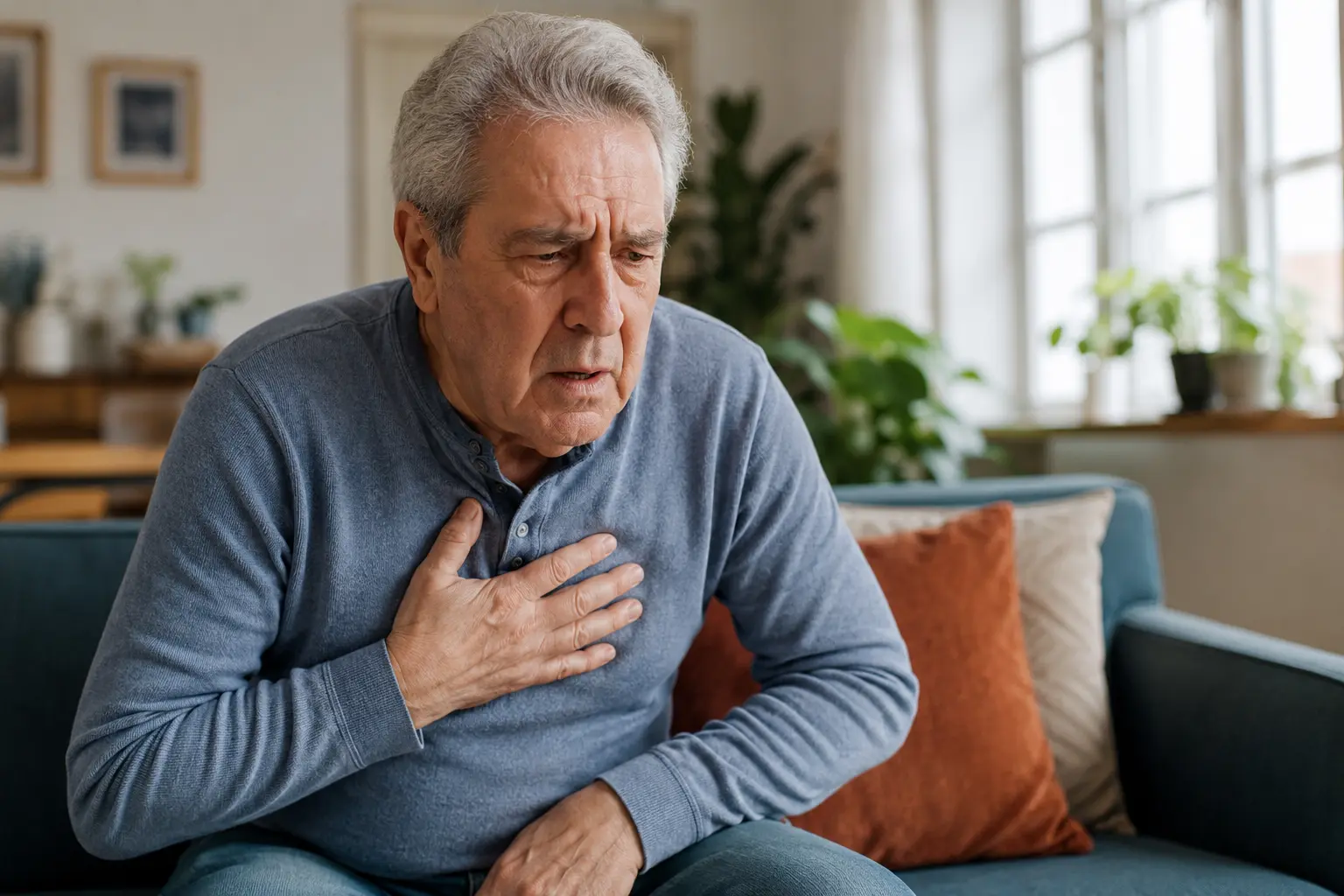
You wake up gasping for air after climbing one flight of stairs, and suddenly you realize something has shifted in your body – chronic lung disease explained is no longer just medical jargon, it’s your reality, and you need to understand what’s actually happening inside your chest.
The science behind chronic lung disease
Chronic lung diseases represent a complex group of conditions that fundamentally alter how your lungs function. COPD, asthma, and pulmonary fibrosis each damage the respiratory system in different ways, but they share common threads: inflammation that swells the airways, obstruction that restricts airflow, and tissue damage that reduces your lungs’ ability to exchange oxygen and carbon dioxide. Imagine your lungs as tiny air sacs called alveoli, millions of them working together like a sophisticated filtering system. When disease strikes, these delicate structures become scarred, inflamed, or blocked. A senior with COPD might notice their airways narrow and fill with mucus, making each breath feel labored. Someone with pulmonary fibrosis experiences progressive scarring that stiffens lung tissue, reducing flexibility. The inflammation isn’t just uncomfortable; it triggers a cascade of changes that can worsen over time if left unmanaged. Understanding this biological reality helps explain why your breathing feels different and why certain activities that once felt effortless now leave you winded.
Causes and risk factors
Your lifetime of exposures shapes your lung health in ways you might not fully appreciate until symptoms appear. Smoking remains the leading cause of chronic lung disease, but the damage doesn’t stop when you quit; it accumulates over decades. Environmental exposures matter too: occupational dust from construction work, chemical fumes from factories, or long-term air pollution exposure in urban areas all contribute to lung deterioration. Genetics play a surprising role; some families carry genetic variations that make their lungs more vulnerable to disease. Respiratory infections, especially repeated ones in childhood or severe infections like pneumonia in adulthood, can leave lasting scars on lung tissue. Aging itself is a powerful risk factor because lung function naturally declines about 1 percent per year after age 30, a process called senescence. For seniors, this means your lungs are already working with reduced capacity before any disease develops. A 70-year-old has roughly 40 percent less lung function than they did at 20, making them far more vulnerable to conditions that younger people might resist. This is why a senior exposed to secondhand smoke or air pollution faces greater risk than a younger person with identical exposure.
Understanding pulmonary function tests
Pulmonary function tests are the gold standard for measuring what your lungs can actually do, not just how you feel. These tests provide objective data about lung capacity, airflow rates, and gas exchange efficiency. Spirometry, the most common test, measures how much air you can breathe in and out and how quickly you can exhale. You’ll sit in a comfortable chair, place your lips around a mouthpiece, and follow the technician’s instructions to breathe in deeply, hold, and exhale forcefully. The machine records your numbers and compares them to predicted values based on your age, height, and gender. Diffusion testing measures how well oxygen crosses from your lungs into your bloodstream, crucial for detecting conditions like pulmonary fibrosis. Gas exchange studies show whether your blood oxygen levels drop during activity. These measurements help your doctor determine disease severity, track progression over months and years, and adjust treatment accordingly. A baseline test establishes your personal normal, so future tests reveal whether your condition is stable, improving, or declining. For seniors, these tests often reveal surprises: some discover they have mild disease without realizing it, while others find their lungs are more resilient than expected.
- Schedule a consultation with your healthcare provider to discuss whether pulmonary function testing is appropriate for your symptoms and medical history, ensuring the timing aligns with your current health status.
- Prepare for your test by avoiding heavy meals, caffeine, and strenuous exercise beforehand, and wear comfortable clothing that allows full chest expansion during breathing maneuvers.
- Follow the technician’s breathing instructions precisely during the test, including deep inhalation, breath-holding, and forceful exhalation, as accuracy depends on your effort and cooperation.
- Review your test results with your healthcare provider, asking them to explain what the numbers mean for your specific situation and how they compare to previous tests if available.
🔬 Science-backed benefits in 2 minuteschoose where to begin:
Treatment options and management
Modern treatment for chronic lung disease focuses on three interconnected goals: relieving the symptoms that limit your daily life, slowing the disease’s progression, and improving your overall quality of life. Medications form the foundation of most treatment plans. Bronchodilators relax the muscles surrounding airways, making breathing easier; some work quickly for immediate relief while others work gradually throughout the day. Inhaled corticosteroids reduce inflammation in the airways, addressing the root cause of symptoms rather than just masking them. Many seniors use combination inhalers containing both medications. Pulmonary rehabilitation programs teach breathing techniques, exercise strategies, and energy conservation methods that help you accomplish more with less effort. Oxygen therapy becomes necessary when your blood oxygen levels drop too low, either during activity or at rest; supplemental oxygen improves organ function and reduces the strain on your heart. In severe cases, lung transplantation offers a last resort for carefully selected patients. Your treatment plan is uniquely yours, built on your specific diagnosis, disease severity, other health conditions, and personal goals. A senior with mild COPD might need only a rescue inhaler and lifestyle changes, while someone with advanced disease might use multiple medications, oxygen, and rehabilitation.
Lifestyle modifications for lung health
Your daily choices either support or undermine your lung function, and the good news is that many choices remain within your control. Quitting smoking, if you still smoke, offers the single greatest benefit; your lungs begin healing within weeks, and the long-term benefits compound over years. Avoiding secondhand smoke means being intentional about your environment; if family members smoke, ask them to do so outside or in separate rooms. Staying physically active strengthens the muscles that support breathing and improves cardiovascular fitness, which reduces the workload on your lungs. Walking, swimming, or gentle cycling adapted to your current fitness level all help. Breathing exercises like pursed-lip breathing, where you exhale slowly through pursed lips, help you empty stale air from your lungs more completely. Maintaining a healthy weight reduces the mechanical burden on your respiratory system; extra weight compresses your lungs and makes breathing harder. Getting vaccinated against influenza and pneumococcal disease prevents infections that could trigger severe flare-ups. Managing stress through relaxation techniques helps because stress triggers airway constriction in many people. Staying hydrated keeps mucus thinner and easier to clear. These modifications don’t cure disease, but they create conditions where your lungs can function at their best capacity.
Research insights and future developments
The landscape of chronic lung disease research is shifting rapidly, with scientists pursuing approaches that seemed impossible just a decade ago. Biomarker research aims to identify blood or sputum markers that reveal disease presence before symptoms appear, potentially allowing earlier intervention when treatment is most effective. Personalized medicine approaches analyze your individual genetic profile and disease characteristics to predict which treatments will work best for you specifically, moving beyond one-size-fits-all approaches. Gene therapy shows promise in early studies, potentially correcting genetic defects that underlie certain lung diseases. Stem cell research explores whether damaged lung tissue can be regenerated or repaired. Anti-inflammatory drugs targeting specific pathways in disease development are in clinical trials. Artificial intelligence is being used to analyze lung imaging more accurately and predict disease progression. Digital health tools allow remote monitoring of your symptoms and lung function, reducing the need for frequent office visits. By staying informed about these developments through reputable sources and discussing them with your healthcare provider, you position yourself to potentially access cutting-edge treatments as they become available. Clinical trials often seek senior participants, and participating in research contributes to medical advances while potentially benefiting your own care.
Others also read:
Disclaimer: This article is for informational purposes only and is not a substitute for professional medical advice. Always consult a healthcare professional for personal guidance.
This article has been prepared and reviewed by the GlobalHealthBeacon editorial team and is based on current medical research and published scientific literature available in 2026. It provides structured, evidence-based information to support informed health decisions.
