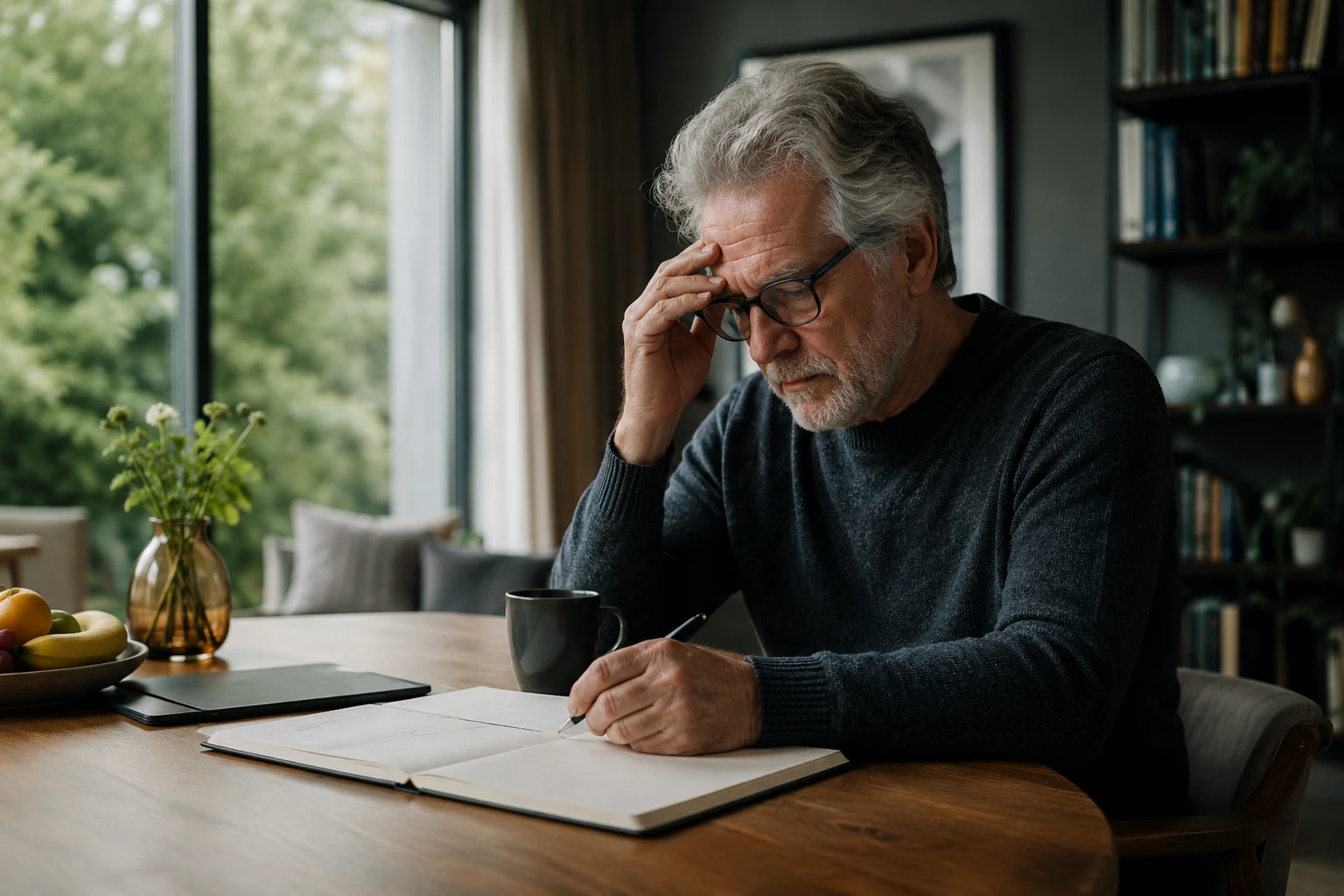
You’re forgetting where you put your keys again, struggling to follow conversations at dinner, or noticing that learning something new takes longer than it used to, and it’s starting to worry you, but here’s what you need to know: cognitive reserve explained is the key to understanding why some people stay sharp as a tack while others don’t, and the good news is you can actually build it starting right now.
What is cognitive reserve?
Think of cognitive reserve as your brain’s financial safety net. Just as a healthy savings account lets you weather unexpected expenses, cognitive reserve gives your brain the ability to function normally even when it faces damage or age-related changes. Your brain doesn’t work in isolation; it builds connections, creates backup pathways, and develops resilience through the experiences you accumulate over a lifetime. Imagine two people at 75 years old. One has spent decades reading, learning languages, and staying mentally engaged. The other has been more passive. Brain scans might show similar levels of wear and tear in both, yet the first person remains sharp while the second struggles. That difference is cognitive reserve. It’s the mental equivalent of having a strong immune system. Your education, your career challenges, your hobbies, your friendships, and even your physical fitness all contribute to building this reserve. The more you invest in mental stimulation and healthy habits throughout your life, the more cushion you create against cognitive decline as you age.
- Cognitive reserve is influenced by genetics, education, occupation, and social engagement.
- Engaging in mental activities like reading, puzzles, and learning new skills can boost cognitive reserve.
- Regular physical exercise and a healthy diet also play a crucial role in maintaining cognitive function.
Factors affecting cognitive reserve
Your cognitive reserve isn’t determined by one thing; it’s shaped by multiple forces working together over time. Education is a major player. People who completed higher levels of schooling tend to have stronger cognitive reserve, not because they’re smarter, but because their brains learned how to learn and adapt. Your career matters too. Jobs that demand problem-solving, decision-making, and constant learning build reserve faster than routine work. Social connections are surprisingly powerful. Regular interaction with friends and family, meaningful conversations, and community involvement all strengthen your cognitive foundation. Physical health is equally important. Exercise increases blood flow to the brain, promotes the growth of new brain cells, and protects against damage. A Mediterranean-style diet rich in vegetables, fish, nuts, and olive oil has been shown to support brain health. Sleep quality, stress management, and hobbies that challenge you mentally all contribute. Consider Maria, a 68-year-old retired teacher who volunteers at a literacy program, takes online art classes, walks three times a week, and hosts dinner with friends monthly. Her cognitive reserve is strong because she’s consistently engaged across multiple dimensions. Compare that to someone who retired and became sedentary, and you see how lifestyle choices compound over years.
📘 Fix your day in under 2 minuteschoose where to begin:
The importance of cognitive reserve in aging
As you move through your 60s, 70s, and beyond, cognitive reserve becomes your best defense against decline. Your brain naturally experiences some changes with age. Brain cells may shrink slightly, connections between neurons weaken, and processing speed slows. That’s normal. But cognitive reserve acts like a buffer. If you’ve built a strong reserve, your brain can compensate for these changes. You might not notice them at all. Without reserve, the same changes become noticeable problems: difficulty remembering names, trouble following complex instructions, or slower thinking. Research shows that people with higher cognitive reserve are significantly less likely to develop dementia, even if their brains show signs of disease on imaging. They recover faster from strokes. They maintain independence longer. They stay engaged in life. Building cognitive reserve early matters, but it’s never too late to start strengthening it. A 75-year-old who begins learning to play guitar or takes up painting is still building reserve and protecting their future self. The investment you make today in mental engagement, physical health, and social connection directly affects your quality of life in the years ahead.
Strategies to boost cognitive reserve
Building cognitive reserve is practical and accessible. Start with mental challenges that feel slightly uncomfortable, not overwhelming. Puzzles, crosswords, and memory games are fine, but they work best when they’re new to you. If you’ve done crosswords for 20 years, your brain isn’t being challenged anymore. Switch to Sudoku, learn a language app, or take an online course in something you’ve always wondered about. The key is novelty and difficulty. Physical exercise is non-negotiable. A 30-minute walk most days, swimming, dancing, or any activity that elevates your heart rate protects your brain directly. Social engagement matters as much as solo activities. Join a club, volunteer, take a class where you interact with others, or commit to regular time with family and friends. Meaningful conversation is brain food. Nutrition counts. Eat more fish, berries, leafy greens, nuts, and whole grains. Limit alcohol and processed foods. Sleep seven to eight hours nightly; your brain consolidates memories and clears toxins during sleep. Manage stress through meditation, yoga, or simply spending time in nature. Consider learning something completely new every few years, whether it’s a musical instrument, a craft, a language, or a skill. The combination of these strategies creates a powerful shield against cognitive decline.
Seeking professional advice
If you’re noticing changes in your memory, concentration, or thinking that concern you, don’t wait to address them. A healthcare provider can assess whether what you’re experiencing is normal aging or something that needs attention. A neuropsychologist or cognitive therapist can evaluate your specific cognitive strengths and weaknesses, then design a personalized plan to enhance your reserve. They might recommend specific activities tailored to your interests and abilities, or identify underlying health issues like sleep apnea, vitamin deficiencies, or medication side effects that could be affecting your cognition. If you have a family history of dementia or other neurological conditions, professional guidance is especially valuable. A doctor can also monitor your cardiovascular health, manage blood pressure and cholesterol, and ensure you’re not taking medications that dull cognition. Some people benefit from cognitive training programs designed by specialists. Others need help identifying the right balance of challenge and support. The point is this: you don’t have to figure it out alone. Professional input can accelerate your progress and give you confidence that you’re taking the right steps.
Understanding cognitive reserve and its impact on aging is crucial for maintaining cognitive function. Factors like genetics, education, lifestyle choices, and social engagement play key roles in shaping cognitive reserve. By incorporating brain-boosting activities and a healthy lifestyle, seniors can enhance their cognitive resilience as they age.
What role does genetics play in cognitive reserve?
Genetics influence an individual’s baseline cognitive abilities and the brain’s capacity to build cognitive reserve. However, lifestyle factors and environmental influences also significantly impact cognitive reserve.
Can cognitive reserve be improved in older adults?
While cognitive reserve tends to peak in middle adulthood, adopting brain-healthy habits like staying mentally active, socially engaged, and physically fit can help enhance cognitive reserve even in older adults, potentially slowing cognitive decline.
Others also read:
Disclaimer: This article is for informational purposes only and is not a substitute for professional medical advice. Always consult a healthcare professional for personal guidance.
This guide has been prepared and reviewed by the GlobalHealthBeacon editorial team and reflects current medical research as of 2026. It provides structured, evidence-based information to support informed health decisions.
