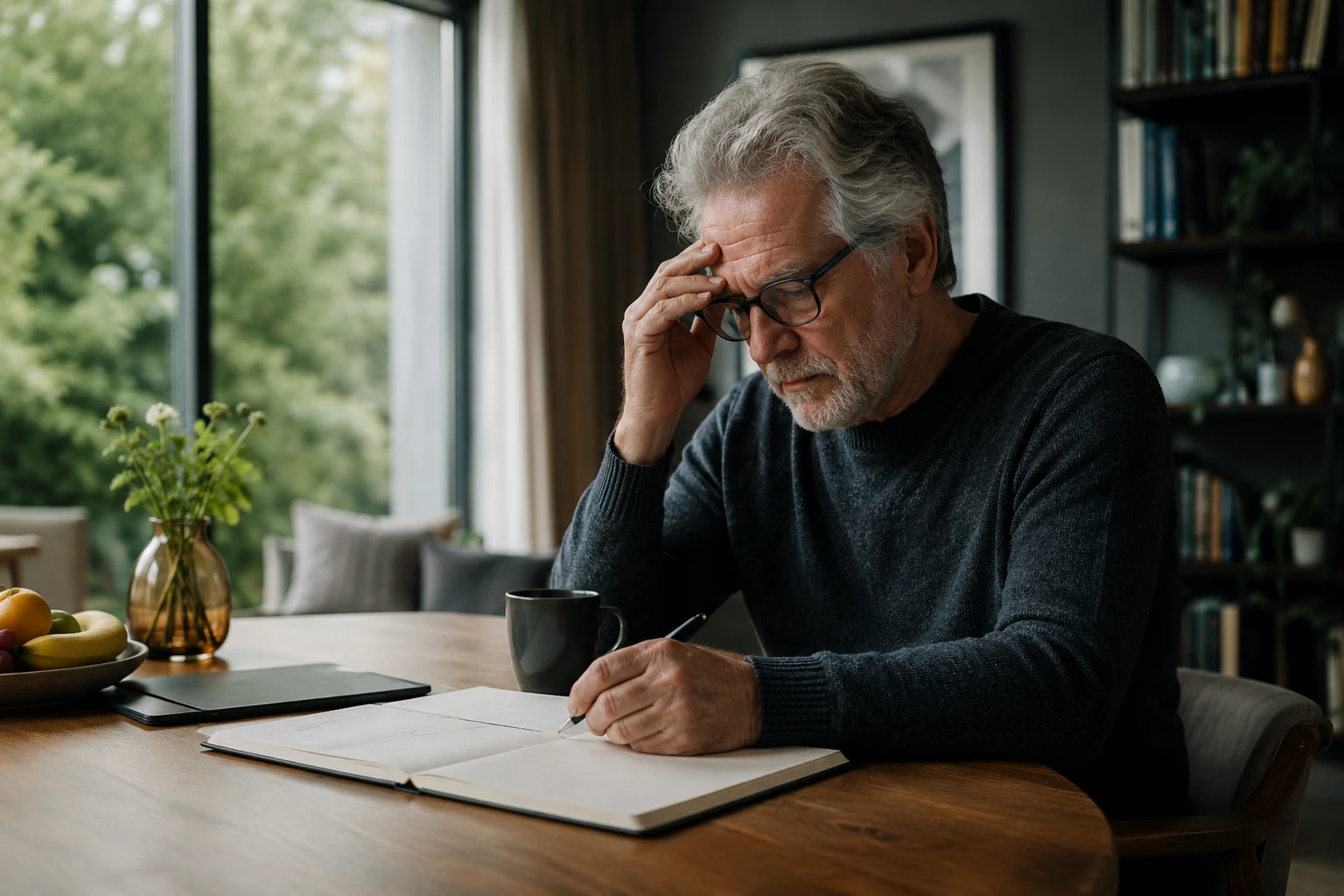
You’re forgetting words mid-sentence, struggling to follow conversations, or feeling like your brain just isn’t as sharp as it used to be, and it terrifies you because you wonder if this is the beginning of something worse. Here’s what you need to know: cognitive reserve explained is the difference between normal aging and actual decline, and the good news is you have more control over it than you think.
What is cognitive reserve?
Cognitive reserve is essentially your brain’s insurance policy against aging and disease. Think of it as a buffer that allows your brain to continue functioning even when some of its usual pathways are damaged or degraded. Imagine your brain as a network of highways. When one route gets blocked due to age or illness, a strong cognitive reserve means your brain has built alternative routes to get around that obstacle. This capacity develops over decades through education, meaningful work, hobbies, social engagement, and life experiences that challenge your thinking. Women who have pursued higher education, maintained active careers, or engaged in complex problem-solving throughout their lives tend to build stronger reserves. The science behind this involves neuroplasticity, which is your brain’s remarkable ability to reorganize itself and forge new neural connections even in later years. Research shows that people with robust cognitive reserve can experience brain changes associated with Alzheimer’s disease or other conditions without showing obvious symptoms for years longer than those with weaker reserves.
- Built through various life experiences, education, and engaging activities
- Can delay the onset of symptoms in conditions like Alzheimer’s disease
- Involves neuroplasticity, the brain’s ability to reorganize and form new connections
How to strengthen cognitive reserve
Building cognitive reserve is not complicated, but it does require consistency and intentionality. Start by engaging in activities that genuinely challenge your brain in new ways. Learning a new language forces your brain to process unfamiliar patterns and grammar rules. Taking up a musical instrument at any age activates multiple brain regions simultaneously. Doing crossword puzzles, sudoku, or strategy games keeps your mind engaged. Reading challenging books, especially non-fiction on unfamiliar topics, builds new neural pathways. Social engagement matters just as much as solo mental activities. Meaningful conversations, group classes, or volunteer work that requires problem-solving all strengthen reserve. Physical exercise deserves special attention because it increases blood flow to the brain and promotes the growth of new brain cells. Aim for at least 150 minutes of moderate aerobic activity weekly. Quality sleep is non-negotiable because your brain consolidates memories and clears out toxins during sleep. Nutrition also plays a supporting role. A Mediterranean-style diet rich in vegetables, fish, nuts, and olive oil has been linked to better cognitive outcomes. Avoid common mistakes like assuming you need to be naturally talented at something to benefit from it. Your brain grows through effort and struggle, not just success.
📘 Fix your day in under 2 minuteschoose where to begin:
The impact of cognitive reserve on women
Women often have advantages when it comes to building cognitive reserve, yet face unique pressures that can undermine it. Research consistently shows that women tend to have higher educational attainment than men in many developed countries, and education is one of the strongest predictors of cognitive reserve. Women also typically maintain stronger social networks and engage in more social activities, which directly supports brain health. The multitasking demands of managing households, careers, and relationships, while sometimes exhausting, actually exercise the brain in ways that build reserve. However, this same caregiving load can become a double-edged sword. Many women prioritize the cognitive and physical health of family members while neglecting their own needs. The stress of balancing multiple roles can lead to poor sleep, skipped exercise, and chronic stress, all of which erode cognitive function. Women also face different health risks than men, including longer lifespans, which means more years of potential cognitive vulnerability. Hormonal changes during menopause can affect cognitive function temporarily, though this typically resolves. The key insight is that women have built-in advantages for cognitive reserve, but must actively protect and nurture them rather than assuming they will persist automatically.
Challenging the myths surrounding cognitive reserve
The most damaging myth is that cognitive decline is inevitable and unstoppable once you reach a certain age. This simply is not true. Your brain retains the ability to learn, adapt, and strengthen itself throughout your entire life. Another common misconception is that you need to do expensive brain training programs or specialized apps to build reserve. While these tools can help, ordinary activities like learning to cook a new cuisine, joining a book club, or taking a community college class are equally effective. Some people believe that cognitive reserve only matters if you have a family history of dementia or Alzheimer’s. In reality, everyone benefits from a stronger reserve because it protects against normal aging, supports recovery from illness or injury, and improves overall quality of life. There is also a myth that you either have good genes for brain health or you don’t. Genetics matter, but lifestyle factors account for roughly 60 percent of your cognitive destiny. This means your choices today directly shape your brain’s resilience tomorrow. Finally, many women believe they are too old to start building reserve. Research shows that cognitive improvements can occur at any age, even in people in their 80s and 90s who begin new learning activities.
Seeking professional guidance
If you have noticed changes in your memory, concentration, or cognitive function that concern you, consulting a healthcare provider is a smart first step. A doctor can rule out treatable causes like vitamin deficiencies, thyroid problems, medication side effects, or sleep disorders that might mimic cognitive decline. If you want a more detailed assessment, ask for a referral to a neuropsychologist or cognitive specialist. They can perform comprehensive testing that measures different types of memory, attention, processing speed, and executive function. These results give you a baseline and help identify your specific strengths and weaknesses. A specialist can also recommend personalized strategies tailored to your situation. For example, if you have early signs of mild cognitive impairment, they might suggest specific types of cognitive training or lifestyle modifications with the most evidence behind them. Some women benefit from working with a health coach or joining a structured program focused on cognitive health. These professionals can help you build sustainable habits rather than relying on willpower alone. Do not wait until you notice problems to seek guidance. Many providers now offer cognitive health consultations for people who want to be proactive about brain aging.
Understanding cognitive reserve is key in preserving brain function as we age. By building cognitive reserve through stimulating activities and a healthy lifestyle, women can empower themselves to protect their cognitive health for the long term.
Can cognitive reserve be improved at any age?
Yes, cognitive reserve can be enhanced at any age through engaging activities that challenge the brain, promoting neuroplasticity and strengthening neural connections.
Are there specific activities that are most effective in boosting cognitive reserve for women?
Activities like learning a new language, playing musical instruments, engaging in social interactions, and regular physical exercise have been shown to be particularly beneficial in enhancing cognitive reserve for women.
Others also read:
Disclaimer: This article is for informational purposes only and is not a substitute for professional medical advice. Always consult a healthcare professional for personal guidance.
This guide has been prepared and reviewed by the GlobalHealthBeacon editorial team and reflects current medical research as of 2026. It provides structured, evidence-based information to support informed health decisions.
