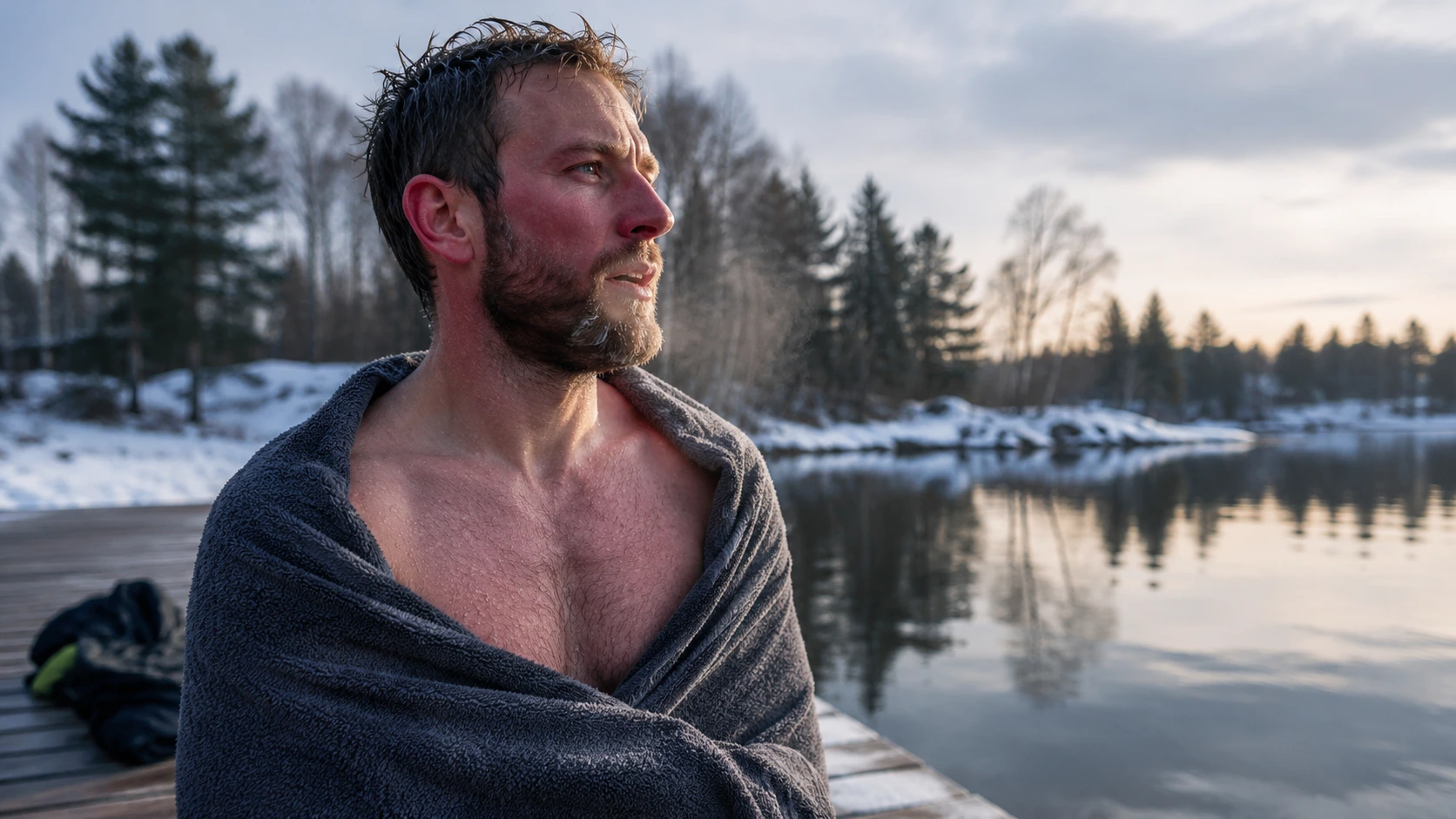
When winter hits and that bone-deep chill settles in, you start noticing things your younger self never did – stiff joints, that exhausting fatigue, maybe even your heart acting up – and suddenly cold exposure health effects stop being abstract and become your daily reality.
Understanding the risks of cold exposure
Picture this: it’s a crisp December morning, and you step outside to grab the mail. Within minutes, your fingers feel numb, your arthritis flares up, and you realize you’re shivering harder than you should be. That’s cold exposure hitting differently when you’re a senior. Your body simply doesn’t bounce back the way it used to. Age changes how your circulatory system works, making it harder to maintain core body temperature. Hypothermia creeps up faster, frostbite develops more easily, and conditions like arthritis or heart disease get aggravated by the cold. It’s not just discomfort either – prolonged exposure can trigger serious complications. Your blood vessels constrict to preserve warmth, reducing circulation to extremities. Combined with slower metabolism and thinner skin, seniors face genuine health risks that younger people often dismiss.
- Increased risk of hypothermia and frostbite
- Aggravation of arthritis or joint pain
- Impaired circulation due to vasoconstriction
Managing cold exposure safely
So how do you actually protect yourself without becoming a hermit for six months? Start with layering – and we mean real layering, not just throwing on a sweater. Thermal base layers, a fleece middle layer, and a windproof outer shell create pockets of warm air your body needs. Keep your home at a comfortable temperature, ideally between 68 and 72 degrees, and use extra blankets at night. When you do venture outside, limit your time in extreme cold, wear insulated gloves and a hat (yes, you lose heat through your head), and keep moving to maintain circulation. Stay hydrated even in winter – dehydration makes your body less efficient at regulating temperature. Avoid alcohol before going out, as it dilates blood vessels and makes you lose heat faster. Check the weather before leaving, and if it’s dangerously cold, simply stay in. That’s not weakness; that’s wisdom.
💬 Ready to feel better in 2 minutes?choose where to begin:
Embracing warmth and comfort
Cold weather doesn’t have to mean suffering through isolation. Think about the small rituals that make winter bearable and even enjoyable. A steaming cup of herbal tea or warm lemon water in the morning becomes more than hydration – it’s a moment of comfort. Warm baths with Epsom salts can ease joint stiffness while relaxing tense muscles. Invest in quality thermal socks, heated blankets, and a good robe that actually keeps you warm. Some seniors find that heated seat cushions or microwaveable heat packs tucked into pockets make outdoor activities more tolerable. Create a cozy corner in your home with good lighting, comfortable seating, and easy access to warm beverages. Indoor hobbies like reading, puzzles, or crafts keep your mind engaged without requiring you to brave the cold. The goal isn’t just survival – it’s finding ways to enjoy the season while staying safe.
Seeking support and community
One of the hardest parts of winter for many seniors is the isolation. Cold weather keeps people indoors, and that’s when loneliness creeps in. Joining senior centers, even virtually, connects you with others facing the same challenges. Share what works for you – maybe someone discovered a heating solution you hadn’t considered, or they know which local services deliver groceries on icy days. Group fitness classes designed for seniors keep you moving indoors, maintaining circulation and muscle strength. Some communities organize winter buddy systems where neighbors check on each other regularly. These connections do more than provide practical tips; they remind you that what you’re experiencing is normal and manageable. Having someone to talk to about the frustrations of cold weather makes a real difference in your mental health during those long winter months.
Cold exposure poses significant risks for seniors, including hypothermia, circulation issues, and exacerbated health conditions. By taking preventive measures, staying warm, and seeking support, seniors can navigate the challenges of cold weather more effectively.
How can cold exposure impact seniors’ health?
Cold exposure can increase the risk of hypothermia, frostbite, and worsen conditions like arthritis due to decreased circulation and reduced temperature regulation in seniors.
What are effective strategies for managing cold exposure?
Seniors can stay safe by dressing in layers, maintaining warm indoor environments, avoiding prolonged cold exposure, and staying active to promote healthy circulation.
Others also read:
Disclaimer: This article is for informational purposes only and is not a substitute for professional medical advice. Always consult a healthcare professional for personal guidance.
This article presents an experience-based perspective and has been reviewed by the GlobalHealthBeacon editorial team in 2026. It provides structured, evidence-based information to support informed health decisions.
