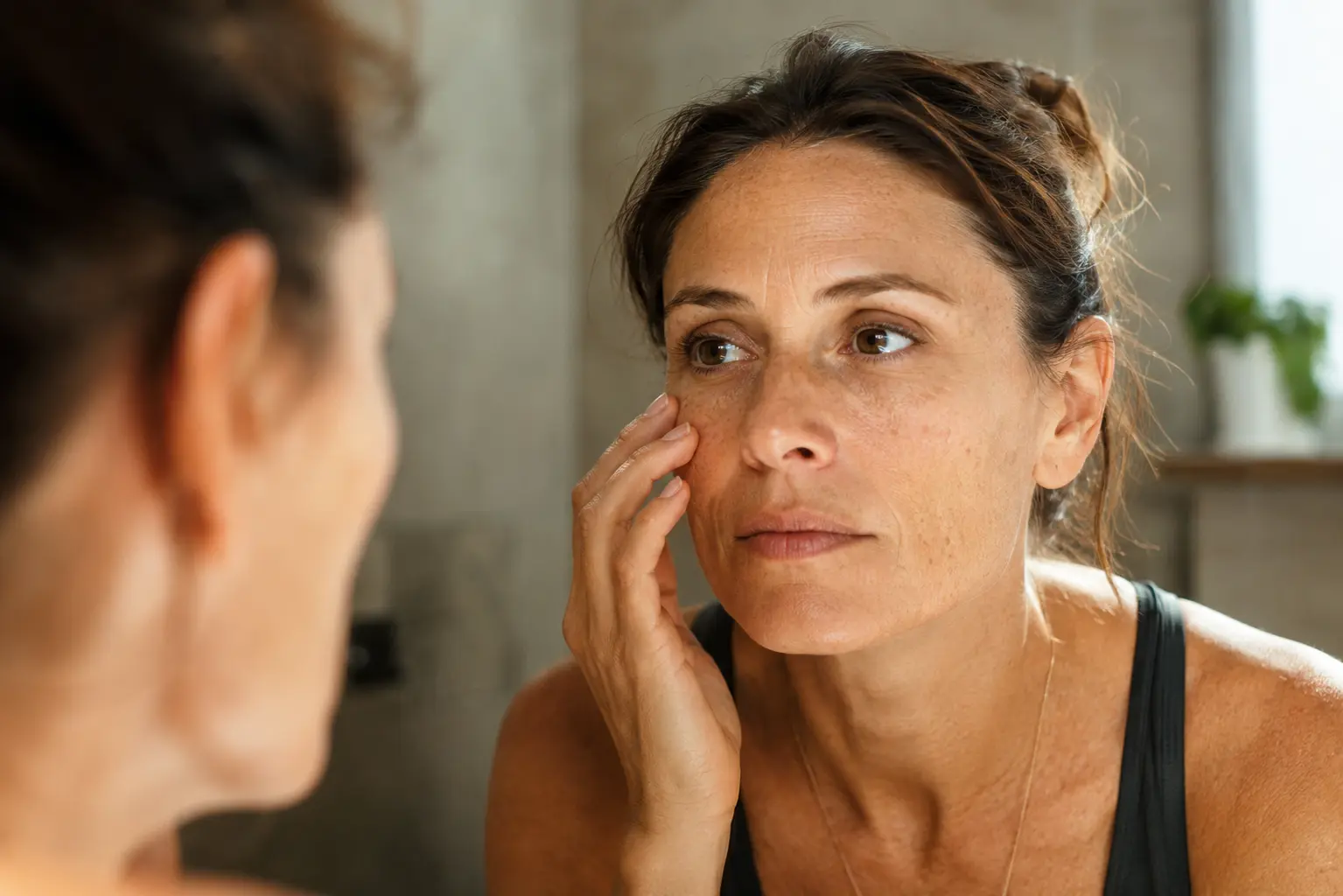
You catch your reflection and notice your skin just doesn’t bounce back like it used to, fine lines seem deeper, and that firmness you took for granted has quietly slipped away – welcome to the reality of collagen loss prevention, something every woman needs to understand before it’s too late.
Nutrition for youthful skin
I remember Sarah, a 42-year-old marketing executive, telling me how she finally understood that her skin was literally starving. She’d been grabbing coffee and pastries for breakfast, skipping lunch, then eating heavy dinners. When she started paying attention to what she ate, everything changed. She began loading her plate with vitamin C-rich citrus fruits, berries, and bell peppers. She added wild-caught salmon twice a week for omega-3s and started sipping bone broth in the mornings. Within weeks, her skin felt different. Nourishing your skin from the inside out isn’t just trendy talk – it’s foundational. When you eat foods rich in amino acids, antioxidants, and collagen-supporting nutrients, you’re literally giving your body the building blocks it needs. Think of it like this: your skin can’t stay firm and plump without proper fuel. Hydration matters too. Drinking enough water throughout the day keeps your skin cells hydrated and helps maintain that elasticity you’re trying to preserve.
- Eat foods high in vitamin C to promote collagen production
- Incorporate collagen-boosting foods like bone broth and leafy greens into your meals
- Avoid excessive sugar and processed foods that can accelerate collagen breakdown
Sun protection: your skin’s best friend
Here’s something that hit me hard: UV damage is cumulative and irreversible. Every single time you step outside without protection, you’re allowing UV rays to penetrate your skin and break down collagen fibers. I watched my friend Michelle age dramatically in her 50s because she spent decades in the sun without proper protection, thinking sunscreen was only for beach days. Now she’s dealing with deep wrinkles and leathery texture that no cream can fully reverse. The truth is brutal but simple – sun protection isn’t optional, it’s essential. A broad-spectrum SPF 30 or higher should be part of your daily routine, even on cloudy days when UV rays still penetrate. Don’t just slather it on and forget it. Reapply every two hours, especially if you’re outdoors or sweating. Wear a wide-brimmed hat, UV-blocking sunglasses, and seek shade during peak sun hours between 10 AM and 4 PM. These habits feel small, but they’re the difference between skin that looks youthful at 50 and skin that looks weathered.
💬 Ready to feel better in 2 minutes?choose where to begin:
Stress less, glow more
When my neighbor Jennifer went through a stressful divorce, her skin fell apart. She developed new wrinkles seemingly overnight, her complexion became dull, and she looked exhausted all the time. That’s because chronic stress floods your body with cortisol, a hormone that literally breaks down collagen and elastin. It’s not in your head – it’s biochemistry. Stress management isn’t a luxury, it’s skincare. When you practice yoga, meditation, or even just deep breathing for ten minutes daily, you’re actively reducing cortisol and protecting your collagen. Jennifer started a simple evening routine: fifteen minutes of gentle yoga and meditation before bed. Within a month, her skin looked noticeably calmer and more radiant. She wasn’t just feeling better emotionally, her skin was reflecting that inner peace. Prioritize sleep too. Your skin repairs itself at night, and without adequate rest, that repair process gets compromised. Think of stress management as preventative skincare that works from the inside out, protecting the collagen you already have.
Professional skincare routines
I finally saw a dermatologist at 45 and felt like I’d been missing out for years. She explained that my at-home routine, while decent, wasn’t addressing my specific concerns. She recommended a retinoid serum tailored to my sensitive skin and suggested professional microneedling treatments to stimulate collagen production naturally. The difference was remarkable. Retinoids work by increasing cell turnover and boosting collagen synthesis, but they need to be used correctly for your skin type. Professional facials with peptides and growth factors can jumpstart collagen production in ways that drugstore products simply can’t match. Some women benefit from treatments like radiofrequency or laser therapy, which create controlled micro-injuries that trigger your skin’s natural healing response and collagen remodeling. The key is getting personalized recommendations from someone who understands your skin deeply. What works for your friend might not work for you. A dermatologist can assess your skin condition, discuss your concerns, and create a realistic plan that combines professional treatments with at-home care for maximum results.
Maintaining collagen levels requires a holistic approach that includes a nutrient-rich diet, sun protection, stress management, and professional skincare routines. Building these habits into your daily life can help preserve your skin’s elasticity and youthfulness.
Can collagen supplements prevent collagen loss?
Collagen supplements may support skin health, but results vary. It’s essential to focus on a balanced diet rich in nutrients that promote natural collagen production.
Is collagen loss reversible?
While collagen loss is a natural part of aging, adopting healthy habits can slow down the process and enhance skin quality. Consistent skincare routines and lifestyle changes can help maintain collagen levels.
Others also read:
Disclaimer: This article is for informational purposes only and is not a substitute for professional medical advice. Always consult a healthcare professional for personal guidance.
This article presents an experience-based perspective and has been reviewed by the GlobalHealthBeacon editorial team in 2026. It provides structured, evidence-based information to support informed health decisions.
