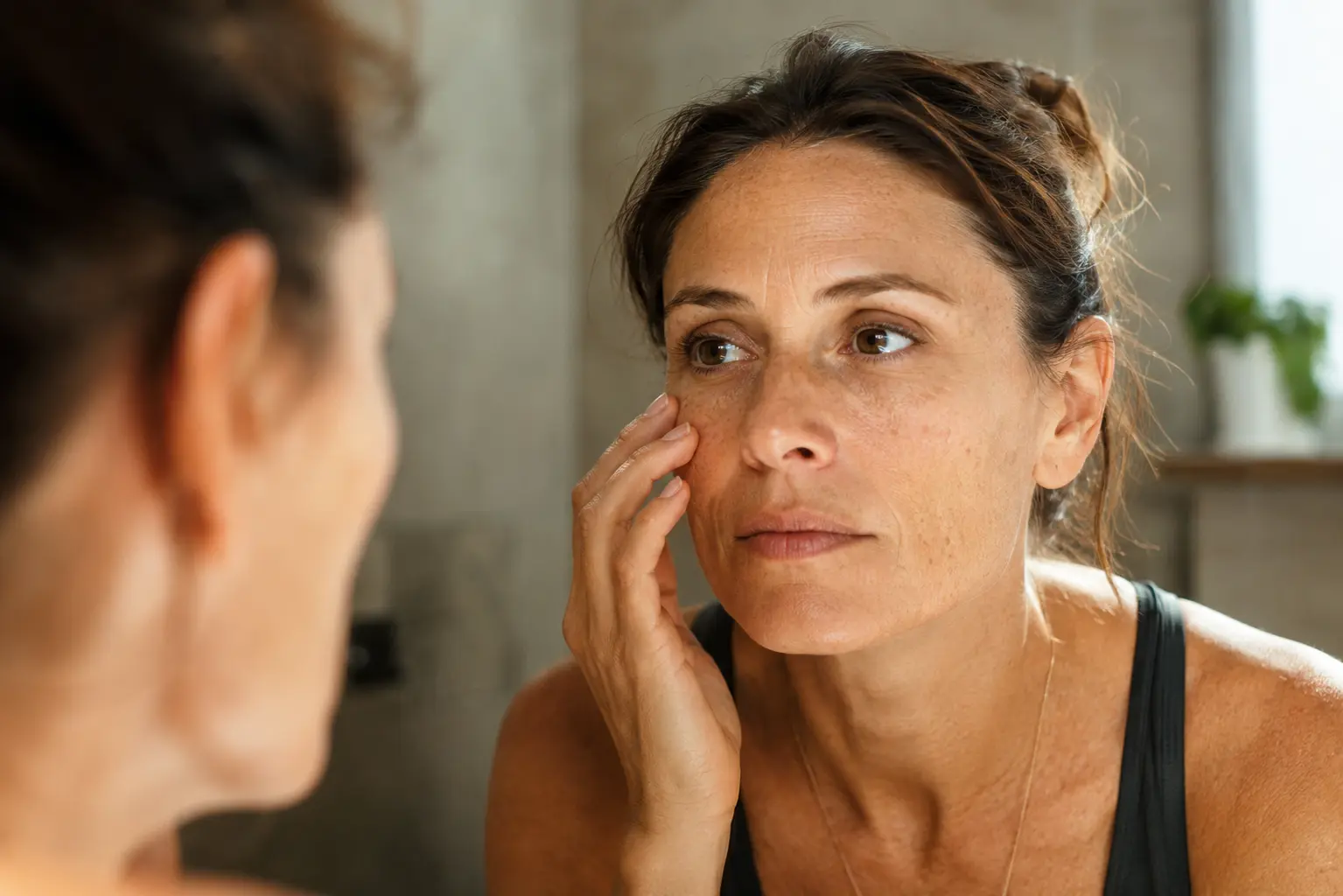
Your skin used to bounce back from anything, but lately you’re catching your reflection and noticing it’s not quite as firm, not quite as glowing as it used to be, and that’s where collagen loss prevention becomes your secret weapon to keeping that youthful resilience intact.
Understanding collagen loss
Collagen is basically the scaffolding holding your skin together, keeping it plump, firm, and that enviable youthful glow you probably took for granted in your early twenties. Think of it like the springs in a mattress; when they start wearing out, everything sags. As we age, our body naturally produces less collagen each year, and by the time you hit your mid-twenties, that production is already declining. But here’s the thing: external factors like sun damage from those beach days without proper SPF, smoking, stress, and a diet heavy in processed foods can speed up this decline dramatically. Picture someone who spent their college years tanning without sunscreen versus someone who was diligent with protection; the difference becomes visible surprisingly fast. Understanding this process isn’t about panic; it’s about recognizing that what you do right now, in your twenties and early thirties, directly impacts how your skin looks in your forties.
- Include collagen-boosting foods like bone broth, fish, and berries in your diet.
- Avoid smoking and limit sun exposure to protect your collagen levels.
- Consider using skincare products with collagen-boosting ingredients like vitamin C and retinol.
Lifestyle changes for collagen preservation
The good news is that preserving collagen doesn’t require expensive treatments or drastic measures; it’s about building habits that become second nature. Start with hydration: drinking enough water actually helps your skin maintain elasticity and supports collagen synthesis at a cellular level. Next, think about your diet as collagen fuel; foods rich in vitamin C like citrus and kiwi, omega-3s from salmon and walnuts, and amino acids from lean proteins all contribute to collagen production. Exercise is another underrated collagen booster because increased blood flow delivers nutrients and oxygen to your skin cells. Then there’s the non-negotiable: sunscreen daily, even on cloudy days, because UV damage is the single fastest way to break down existing collagen. A young adult might think, ‘I’ll deal with sun damage later,’ but that’s exactly the mindset that leads to regret. Building these habits now means you’re essentially banking collagen health for your future self.
💬 Ready to feel better in 2 minutes?choose where to begin:
Supplements and treatments
If you’re looking to accelerate results beyond lifestyle changes, collagen supplements have gained real traction among young adults trying to get ahead of aging. These come in powder, capsule, or liquid form and contain amino acids that your body can use to support collagen synthesis, though results take consistency and time. Some people notice improved skin hydration and texture within four to eight weeks of daily use. For those ready to invest in professional treatments, options like microneedling create controlled micro-injuries that trigger your body’s natural collagen repair response, or laser therapy stimulates collagen remodeling beneath the skin’s surface. Chemical peels exfoliate dead skin and encourage new collagen formation. A twenty-eight-year-old might combine a collagen supplement with quarterly microneedling sessions and see noticeable improvements in skin firmness and fine line reduction. The key is understanding that these aren’t quick fixes but rather strategic investments in your skin’s long-term health.
Embracing a holistic approach
Here’s what often gets overlooked: your skin’s collagen health is deeply connected to your overall wellness. Chronic stress literally breaks down collagen through elevated cortisol levels, so meditation, yoga, or even regular walks genuinely matter for skin health. Sleep is when your body repairs and regenerates, including collagen synthesis, so those late nights binge-watching shows are actually costing your skin. Mental health, stress management, and self-care aren’t luxuries; they’re collagen preservation tools. Imagine two friends the same age: one manages stress, sleeps eight hours, eats well, and uses sunscreen; the other is constantly stressed, sleeps five hours, and skips skincare. By thirty-five, the difference in their skin will be striking. This holistic view means you’re not just applying creams and taking supplements; you’re building a lifestyle that supports collagen production from the inside out, making prevention feel less like a chore and more like genuine self-care.
Understanding the role of collagen in skin health, making smart lifestyle choices, considering supplements and treatments, and embracing a holistic approach can all contribute to effective collagen loss prevention for young adults.
Can collagen supplements reverse the signs of aging?
Collagen supplements can help improve skin elasticity and hydration, but they may not completely reverse the signs of aging. Consistent use combined with a healthy lifestyle can produce noticeable results over time.
Are there any natural ways to boost collagen production?
Yes, consuming collagen-boosting foods, staying hydrated, protecting your skin from sun damage, and leading a healthy lifestyle can all naturally support collagen production in your body.
Others also read:
Disclaimer: This article is for informational purposes only and is not a substitute for professional medical advice. Always consult a healthcare professional for personal guidance.
This article presents an experience-based perspective and has been reviewed by the GlobalHealthBeacon editorial team in 2026. It provides structured, evidence-based information to support informed health decisions.
