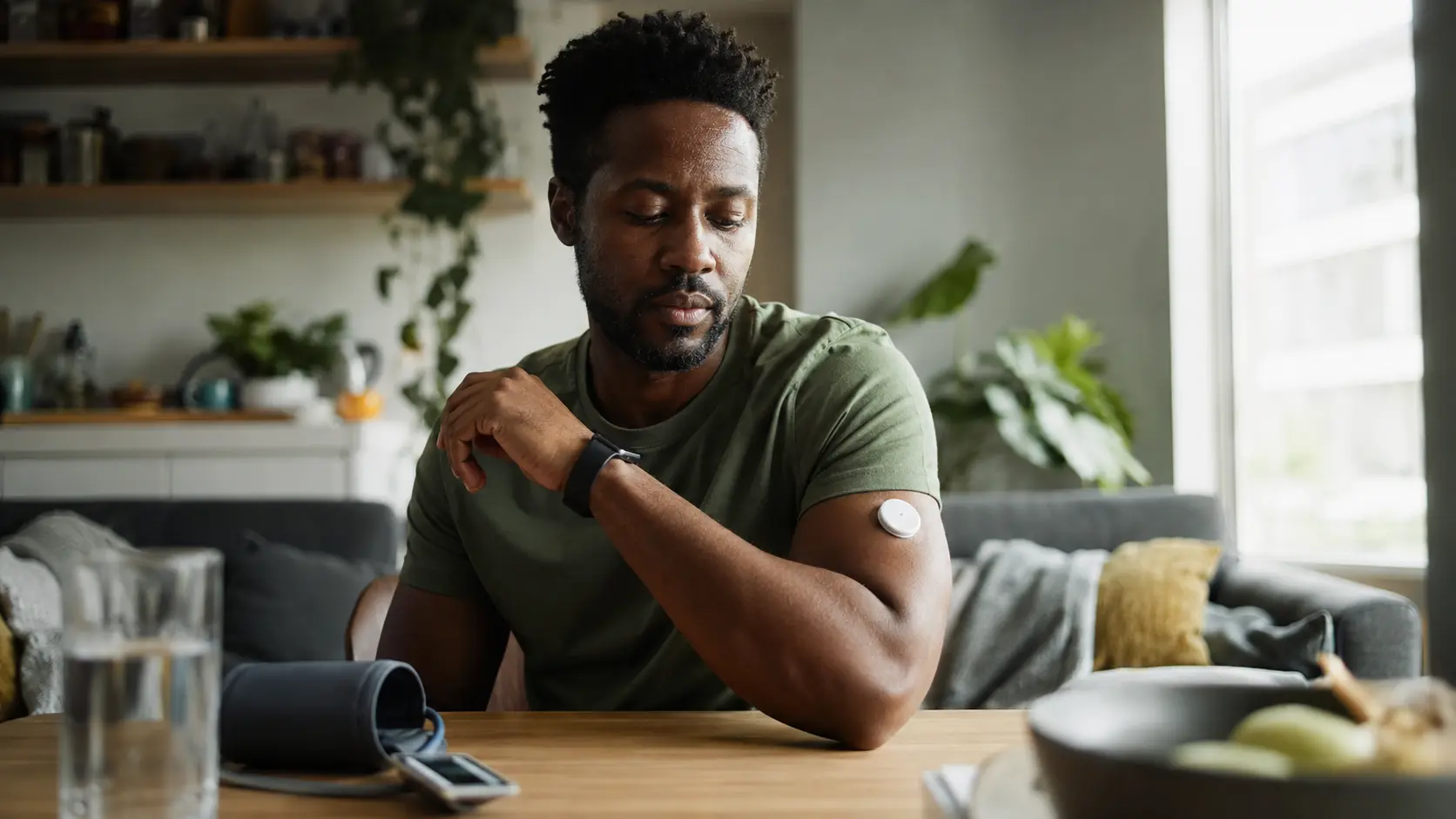
You’re juggling work, social life, and trying to stay healthy, but you have no idea what’s actually happening inside your body—connected health devices are about to change that.
Understanding the benefits of connected health devices
Connected health devices work like a personal health assistant that never sleeps. They track your vital signs, fitness metrics, and overall health indicators in real time, giving you data that would normally require a doctor’s visit to obtain. Imagine wearing a device that monitors your heart rate variability while you sleep, detects irregular patterns, and alerts you before a problem develops. These devices collect continuous information about your body’s performance throughout the day and night. For young adults balancing demanding schedules, this means you can spot trends in your stress levels, sleep quality, and physical activity without thinking about it. The real power comes from the insights these devices provide. Instead of guessing whether your workout routine is effective or wondering why you feel tired, you have concrete data to guide your decisions. A smartwatch might reveal that your sleep drops significantly on work days, prompting you to adjust your evening routine. A fitness tracker shows exactly how many steps you’re actually taking versus what you assumed. This self-awareness becomes the foundation for meaningful health improvements.
- Track your fitness goals with accuracy and real-time feedback
- Monitor your heart rate, sleep patterns, and stress levels continuously
- Stay motivated and engaged by seeing tangible progress over time
Choosing the right connected health device for you
Selecting a connected health device isn’t about picking the most expensive or feature-rich option. It’s about matching the device to your actual life and goals. Start by asking yourself what you genuinely want to improve. Are you training for a specific event and need detailed running metrics? Do you struggle with sleep and want to understand your patterns? Are you managing a chronic condition like diabetes or hypertension? Each answer points toward different devices. Someone focused on general fitness might find a basic activity tracker sufficient, while someone managing heart health needs more advanced monitoring capabilities. Consider your lifestyle too. If you hate wearing watches, a ring-based device or chest strap might suit you better. If you’re always on your phone, an app-based solution could work. Budget matters as well. Entry-level devices start around fifty dollars, while medical-grade wearables can exceed five hundred. The mistake many young adults make is buying the fanciest device without considering whether they’ll actually use it. A fifty-dollar tracker you wear daily provides more value than a five-hundred-dollar device gathering dust on your nightstand. Think about integration too. Does the device sync with apps you already use? Can it connect with your smartphone seamlessly? These practical details determine whether tracking becomes effortless or frustrating.
📘 Fix your day in under 2 minuteschoose where to begin:
Integrating connected health devices into your daily routine
Getting a connected health device is one thing. Actually using it consistently is another. The key is making tracking so automatic that it requires zero willpower. If you’re wearing a smartwatch, you’re already collecting data without doing anything extra. The real work happens in how you respond to that data. Set specific, achievable goals based on your baseline. If your device shows you average six thousand steps daily, aiming for fifteen thousand steps overnight will fail. Instead, target seven thousand steps for two weeks, then gradually increase. This incremental approach builds momentum and prevents burnout. Establish a tracking schedule that fits your life. Maybe you check your sleep data every Sunday morning while having coffee, and you review your weekly activity summary on Friday evenings. This ritual turns data review into a habit rather than a chore. Use the insights to make one small change at a time. If your device reveals you’re most active on days you walk to work, prioritize that commute method. If you notice your heart rate spikes during certain times, investigate what’s happening. A young adult might discover that their stress levels spike during afternoon meetings, prompting them to take a ten-minute walk beforehand. Another might realize they sleep better when they stop scrolling their phone an hour before bed. These personalized discoveries matter more than any generic health advice because they’re based on your actual patterns.
Maximizing the benefits of wearable health technology
Wearable health technology only works if you actually engage with it. Many people buy devices, wear them for two weeks, then forget about them. The difference between people who benefit and people who don’t isn’t the device itself, but how they use the data. Start by understanding what your device is actually measuring. Heart rate variability isn’t just a number; it reflects your nervous system’s recovery status. Sleep stages aren’t just hours slept; they show whether you’re getting restorative deep sleep or just light sleep. When you understand the why behind the metrics, you’re more likely to act on them. Create accountability by sharing your goals with someone. A young adult might tell a friend about their sleep improvement goal and check in weekly. Another might join an online community of people using the same device. This social element transforms solo tracking into a shared journey. Use your device’s built-in challenges or apps that gamify health. Many wearables offer step challenges, sleep competitions, or workout streaks. These features tap into your competitive nature and make consistency rewarding. Most importantly, celebrate small wins. When your device shows three consecutive nights of good sleep, acknowledge that achievement. When you hit a weekly step goal, feel proud. These positive reinforcements make you more likely to continue the behavior.
Ensuring privacy and security with connected health devices
Your health data is deeply personal. Connected health devices collect sensitive information about your body, location, and daily habits. This makes privacy and security non-negotiable. Before buying any device, research the company’s privacy practices. Read their privacy policy, not just the marketing material. Look for companies that explicitly state they don’t sell your data to third parties. Check whether they use encryption for data transmission and storage. Reputable brands are transparent about these practices because they understand young adults care about privacy. Once you have your device, take active steps to protect yourself. Use a strong, unique password for your device’s app. Enable two-factor authentication if available. Regularly update your device’s software because updates often include security patches. Review your privacy settings periodically. Many devices allow you to control what data is shared with third-party apps or services. You might want your fitness data synced with your health app but not shared with social media. Be intentional about these choices. Consider what data you’re comfortable sharing. Some young adults are fine with their device manufacturer knowing their heart rate but not their location. Others prefer minimal data collection. Neither choice is wrong. What matters is making conscious decisions rather than accepting default settings. If you’re ever uncomfortable with a company’s practices, switch to a different device. Your comfort and trust in your health technology matter as much as the features it offers.
Connected health devices empower young adults to take control of their well-being through real-time data and personalized insights. By selecting a device aligned with your specific goals, integrating it naturally into your daily routine, and maintaining strong privacy practices, you transform wearable technology from a gadget into a meaningful health partner.
What should I consider when selecting a connected health device?
When choosing a connected health device, consider your specific health goals, lifestyle, and the features offered by the device. Ensure that the device aligns with your needs and preferences for optimal use.
How can I protect my privacy when using connected health devices?
To safeguard your privacy while using connected health devices, opt for brands with strong privacy measures. Review the data collection practices of the device, enable secure settings, and regularly update the device software.
Disclaimer: This article is for informational purposes only and is not a substitute for professional medical advice. Always consult a healthcare professional for personal guidance.
This guide has been prepared and reviewed by the GlobalHealthBeacon editorial team and reflects current medical research as of 2026. It provides structured, evidence-based information to support informed health decisions.
