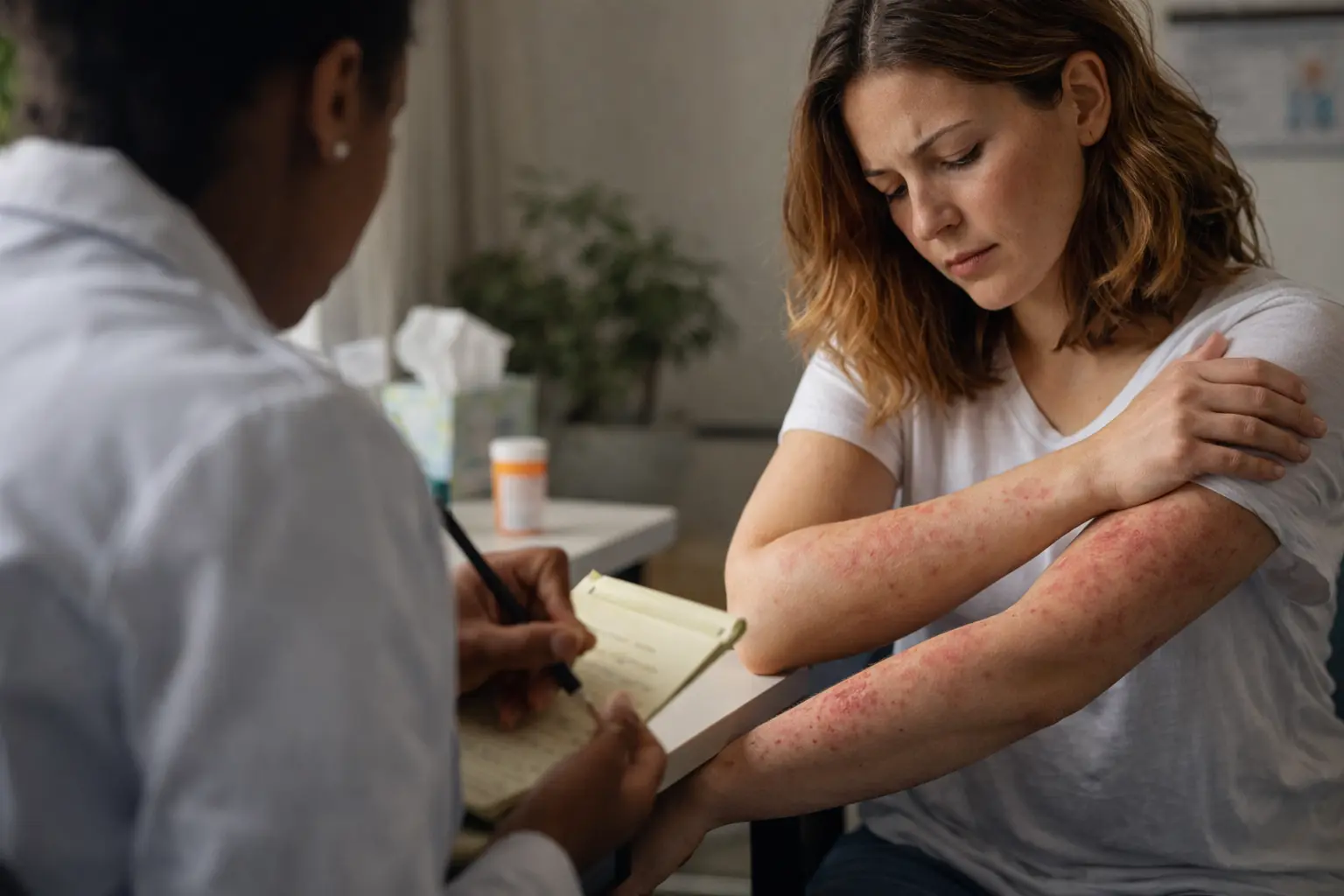
Your skin is angry, red, and itchy, but you have no idea if you’re dealing with contact dermatitis versus allergy, and that uncertainty is driving you crazy because the wrong treatment could make everything worse.
Understanding contact dermatitis and allergy
Contact dermatitis and allergies are two distinct skin conditions that often get confused because they can look similar on the surface. Contact dermatitis happens when your skin touches something irritating or allergenic directly, triggering a localized inflammatory response right at that spot. Your immune system isn’t necessarily involved in the same way. An allergy, by contrast, is your immune system’s overreaction to a substance it perceives as a threat, and this response can happen systemically throughout your body. Think of contact dermatitis as a local fire that stays contained to where the match was struck, while an allergy is more like an alarm system that goes off throughout your entire house. For women especially, understanding this distinction matters because you might be using the same skincare product for years without issue, then suddenly develop contact dermatitis from a new ingredient. Or you might notice that every time you eat shellfish, you break out in hives and your throat feels tight, which signals a true allergic response. The key difference is that contact dermatitis is about what touched your skin, while allergies are about what your immune system recognizes as foreign.
- Contact dermatitis is usually limited to the area of skin in contact with the trigger.
- Allergies can manifest in various ways, affecting multiple body systems.
- Contact dermatitis often presents as red, itchy skin with a clear boundary at the site of contact.
- Allergic reactions can lead to symptoms like hives, swelling, or even anaphylaxis in severe cases.
Identifying common triggers
Triggers for contact dermatitis are often hiding in plain sight in your daily routine. Nickel jewelry, fragrance in your favorite lotion, latex gloves, certain fabrics, laundry detergents, and even plants like poison ivy or oak can cause localized reactions. Many women discover their trigger accidentally, like when a new brand of deodorant causes a rash under their arms or when they switch to a different laundry detergent and suddenly their underwear line becomes inflamed. Allergies operate differently and can be sparked by foods you eat, medications you take, insect stings, pollen in the air, or pet dander. A woman might eat peanuts without issue her whole life, then suddenly develop a severe peanut allergy. Or she might notice that during spring, her eyes swell and she gets hives whenever she goes outside. The tricky part is that some substances can trigger both contact dermatitis and allergies depending on your individual sensitivity. For example, nickel can cause contact dermatitis from jewelry, but some people also have a systemic nickel allergy. Keeping a simple log of when your skin reacts and what you were exposed to can help you identify your specific triggers faster.
📘 Fix your day in under 2 minuteschoose where to begin:
Diagnosing the culprit
Getting an accurate diagnosis requires seeing the right specialist and being willing to do some detective work. A dermatologist can perform patch testing, which involves applying small amounts of common allergens to your skin under patches and observing which ones cause a reaction over 48 to 72 hours. This test is particularly useful for contact dermatitis because it helps pinpoint exactly which substance is causing your localized reaction. An allergist, on the other hand, uses blood tests and skin prick tests to identify systemic allergies. During a skin prick test, the allergist places tiny amounts of potential allergens on your forearm and gently pricks the skin, then watches to see which ones cause a raised, itchy bump. Blood tests measure your immune system’s response to specific allergens by checking for antibodies. Many women find it helpful to bring a list of products they use, foods they eat regularly, and a timeline of when symptoms started. This information helps your doctor narrow down the possibilities and avoid unnecessary testing. Sometimes diagnosis takes time, especially if you have multiple sensitivities or if your trigger is something unexpected. Being patient with the process and honest about your symptoms and exposures will lead to a faster, more accurate diagnosis.
Treatment options
Once you know what you’re dealing with, treatment becomes much more straightforward and effective. For contact dermatitis, the first step is always avoidance. If nickel triggers your reaction, switch to nickel-free jewelry or apply a protective barrier like clear nail polish to the back of earrings. If a skincare product is the culprit, stop using it immediately. While you’re avoiding the trigger, topical corticosteroid creams or ointments reduce inflammation and itching. Your doctor might recommend a mild hydrocortisone cream for sensitive areas like your face, or a stronger steroid for thicker-skinned areas. For allergies, treatment depends on severity and type. Mild allergies might respond well to over-the-counter antihistamines like cetirizine or fexofenadine, which block your immune system’s histamine response and reduce itching and swelling. If you have food or environmental allergies, your doctor might recommend immunotherapy, where you’re gradually exposed to increasing amounts of the allergen to desensitize your immune system. For severe allergies, especially those that cause anaphylaxis, you’ll need to carry an epinephrine auto-injector at all times. Many women find that combining treatments works best, such as using a topical steroid while also taking an antihistamine and avoiding the trigger. Your treatment plan should be customized based on your specific condition, severity, and lifestyle.
Preventive strategies for healthy skin
Prevention is always easier than treatment, and small changes to your routine can make a huge difference in keeping your skin calm and clear. For contact dermatitis prevention, choose hypoallergenic, fragrance-free products whenever possible, read ingredient labels carefully, and do a patch test on a small area of skin before using new products on your face or body. If you work with irritants or allergens, wear protective gloves or clothing to create a barrier between your skin and the trigger. Many women in healthcare, cleaning, or manufacturing industries develop contact dermatitis simply from repeated exposure, so protective gear is non-negotiable for them. For allergy prevention, keep your environment clean by vacuuming regularly, washing bedding in hot water weekly, and using air filters if you have environmental allergies. If you have food allergies, always read food labels, inform restaurants of your allergies, and carry your epinephrine auto-injector. Create an allergy action plan that outlines your symptoms, what to do if you have a reaction, and emergency contacts, then share it with family, friends, and coworkers. Keep a symptom diary to track patterns and identify new triggers early. Stay hydrated, use a humidifier if you have dry skin, and maintain a gentle skincare routine with products designed for sensitive skin. By being proactive and intentional about your skin health, you can prevent many reactions before they start.
Understanding the key differences between contact dermatitis and allergies is crucial for effective skin management. Identifying triggers, seeking proper diagnosis, following a tailored treatment plan, and implementing preventive measures are essential steps for achieving skin clarity and comfort.
Can contact dermatitis lead to an allergy?
While contact dermatitis and allergies are distinct conditions, repeated exposure to an irritant in contact dermatitis can sometimes trigger an allergic response. It’s important to address contact dermatitis promptly to reduce the risk of potential complications.
How can I differentiate between contact dermatitis and an allergic reaction?
Contact dermatitis usually affects the skin at the point of contact with the irritant and manifests as red, itchy patches. Allergic reactions, on the other hand, may involve symptoms like hives, swelling, or respiratory issues. A medical professional can help accurately diagnose and differentiate between the two.
Others also read:
Disclaimer: This article is for informational purposes only and is not a substitute for professional medical advice. Always consult a healthcare professional for personal guidance.
This guide has been prepared and reviewed by the GlobalHealthBeacon editorial team and reflects current medical research as of 2026. It provides structured, evidence-based information to support informed health decisions.
