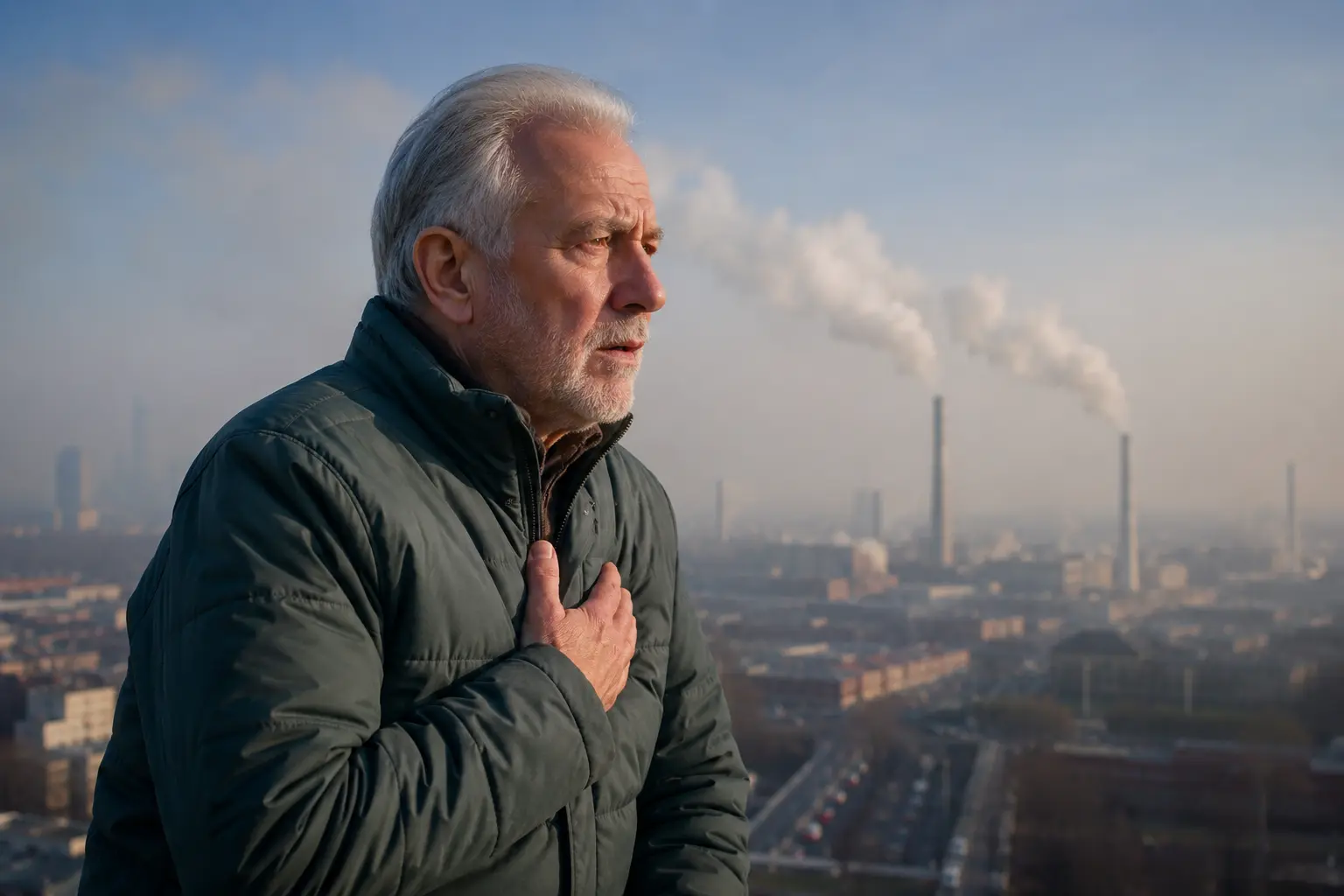
When you wake up wheezing and check the air quality index to find it’s hazardous, that sinking feeling of being trapped between your own lungs and the world outside is real, but managing COPD and air quality doesn’t have to feel impossible.
Understanding the impact of air quality on COPD
Air quality directly affects how your lungs function day to day. When pollution levels spike, whether from wildfire smoke, vehicle emissions, or industrial activity, your airways become more inflamed and sensitive. Think of it like this: if your lungs are already working harder due to COPD, adding poor air quality is like asking someone with a sore knee to run uphill. The connection is immediate and measurable. Studies show that seniors with COPD experience more hospital visits and emergency room trips on days when air quality drops significantly. You might notice symptoms appearing within hours of exposure: increased coughing, tightness in your chest, shortness of breath during normal activities, or fatigue that feels heavier than usual. Some days the impact is subtle; other days it’s severe enough to disrupt your routine. Monitoring your local air quality index (AQI) becomes as important as checking the weather. When the AQI reaches unhealthy levels (typically 151 or higher), your respiratory system is under genuine stress, and taking preventive action isn’t optional.
- Avoid outdoor activities during times of poor air quality.
- Use air purifiers indoors to improve the air you breathe.
- Keep windows and doors closed to prevent pollutants from entering your home.
Tips for improving indoor air quality
Your home should be your sanctuary, especially when outdoor air is compromised. Start by investing in a quality HEPA filter air purifier, which removes particles as small as 0.3 microns, including dust, pollen, and some pollutants. Place it in your bedroom first, since you spend roughly eight hours there breathing while your body rests and recovers. Next, seal obvious air leaks around windows and doors using weatherstripping or caulk. Check your HVAC system’s air filter monthly and replace it every three months or sooner if you live in a dusty area. Consider upgrading to a higher-rated filter (MERV 13 or higher) for better particle capture. Humidity matters too: keep indoor humidity between 30 and 50 percent to reduce dust mite activity and mold growth. A humidifier helps during dry months, while a dehumidifier prevents excess moisture. Remove carpeting from bedrooms if possible, as it traps particles; hard flooring is easier to clean. Dust surfaces weekly with a damp cloth rather than dry dusting, which spreads particles into the air. If you have pets, bathe them regularly and keep them out of your bedroom. These steps create a cleaner breathing environment that reduces the burden on your lungs.
📘 Fix your day in under 2 minuteschoose where to begin:
Staying informed and prepared
Knowledge is your first line of defense. Download an air quality app on your phone or bookmark your local Environmental Protection Agency website so you can check the AQI before stepping outside. Many apps send alerts when pollution reaches unhealthy levels in your area. Plan your outdoor activities around better air quality windows, typically early morning before traffic builds up or after rain clears the air. If you must go out during poor air quality days, wear an N95 or P100 mask fitted properly to your face. Keep a written list of your COPD medications, dosages, and emergency contacts on your refrigerator and in your wallet. Know the signs of a COPD exacerbation: increased shortness of breath, changes in sputum color or thickness, fever, or unusual fatigue. Have your rescue inhaler within arm’s reach at all times. Talk to your doctor about creating a written action plan that outlines what to do if your symptoms worsen. Include your doctor’s phone number, your nearest hospital, and trusted family members who can help. Being prepared means you won’t panic if air quality triggers a flare-up.
Importance of regular exercise and healthy lifestyle choices
Exercise strengthens your respiratory muscles and improves oxygen efficiency, which becomes increasingly valuable when air quality is poor. Walking for 20 to 30 minutes on good air quality days builds endurance and lung capacity. Pulmonary rehabilitation programs, often available through hospitals or clinics, teach breathing techniques and exercise routines specifically designed for COPD. Ask your doctor about referrals. Nutrition supports your immune system and energy levels: eat plenty of fruits, vegetables, lean proteins, and whole grains while limiting salt and processed foods that can cause bloating and pressure on your lungs. Staying hydrated helps thin mucus, making it easier to clear from your airways. Avoid smoking entirely and limit secondhand smoke exposure, as it accelerates lung decline. Sleep quality matters too; poor sleep worsens inflammation and reduces your body’s ability to fight infection. Elevate your head with extra pillows to ease breathing at night. Stress management through gentle activities like meditation or listening to music also helps, since stress tightens airways. These lifestyle choices create a foundation that makes your body more resilient when air quality challenges arise.
Seeking medical guidance and support
Your doctor is your partner in managing COPD effectively. Schedule regular check-ups, not just when symptoms flare up, so your doctor can monitor your lung function and adjust medications before problems escalate. Discuss how poor air quality affects you specifically and ask about preventive strategies tailored to your situation. Some seniors benefit from adjusting their medication timing or dosage during high-pollution periods. Pulmonologists (lung specialists) can provide deeper expertise if your primary care doctor refers you. Ask about vaccinations: flu shots and pneumonia vaccines reduce your risk of respiratory infections that compound COPD symptoms. Join a COPD support group, either in person or online, to connect with others facing similar challenges and learn practical tips from their experiences. Don’t hesitate to call your doctor if you notice new symptoms or if air quality changes trigger unusual reactions. Many healthcare providers now offer telehealth appointments, making it easier to get advice without traveling during poor air quality days. Your healthcare team wants to help you stay stable and independent.
Managing COPD when air quality drops requires understanding how pollution affects your lungs, creating a clean indoor environment, staying informed about air quality forecasts, maintaining a healthy lifestyle, and working closely with your healthcare provider. These strategies work together to help you breathe easier and maintain your quality of life.
How does poor air quality affect COPD?
Poor air quality worsens COPD symptoms because pollutants irritate already inflamed airways, triggering increased coughing, chest tightness, and shortness of breath. Seniors with COPD often experience more flare-ups and may need to use rescue inhalers more frequently on high-pollution days. Hospital visits and emergency room trips increase significantly when air quality is poor. Minimizing exposure and preparing with medications and action plans helps reduce these risks.
What can seniors do to protect themselves during periods of poor air quality?
Seniors with COPD can protect themselves by staying indoors when pollution levels are high, using HEPA filter air purifiers to clean indoor air, keeping windows and doors closed, wearing an N95 mask if they must go outside, checking air quality forecasts before planning activities, and following their prescribed COPD treatment plan. Having medications readily available, knowing the signs of exacerbation, and maintaining contact with their healthcare provider ensures quick response if symptoms worsen.
Others also read:
Disclaimer: This article is for informational purposes only and is not a substitute for professional medical advice. Always consult a healthcare professional for personal guidance.
This guide has been prepared and reviewed by the GlobalHealthBeacon editorial team and reflects current medical research as of 2026. It provides structured, evidence-based information to support informed health decisions.
