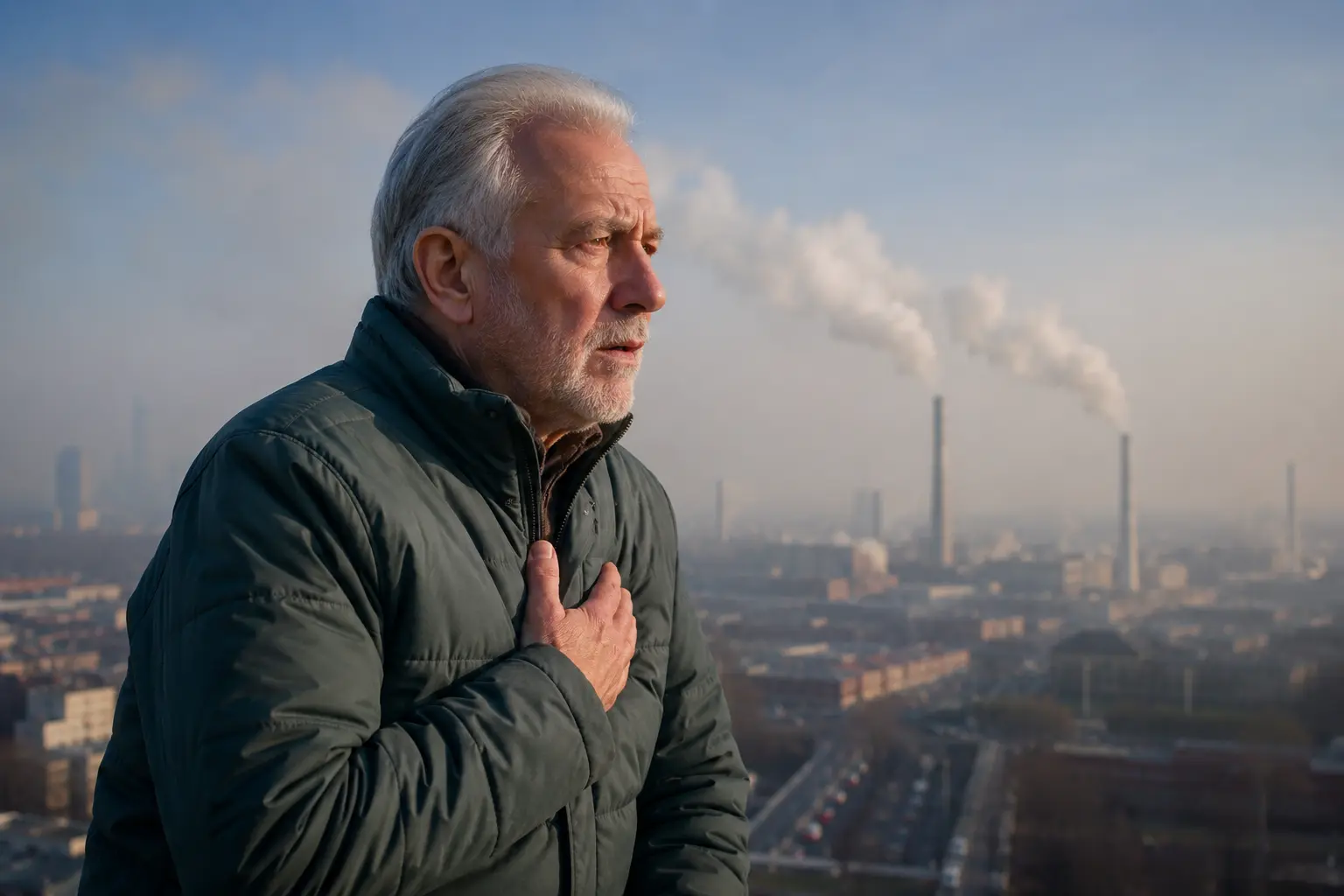
You wake up wheezing, check the air quality app and see another red alert, and realize that managing COPD and air quality issues isn’t just annoying, it’s becoming your daily reality, but here’s what you need to know: you have real power to change this starting right now.
Fresh air, fresh lungs
Your home should be your sanctuary, not a source of respiratory stress. Start by investing in a quality air purifier designed for your bedroom and main living areas, where you spend the most time. Look for HEPA filters that capture particles as small as 0.3 microns. Beyond that, crack open your windows for 15 to 20 minutes each morning and evening to swap stale indoor air for fresh outdoor air, even if it’s just for a few minutes. This simple habit breaks the cycle of recirculated pollutants. If you live near busy roads or industrial areas, be strategic about when you open windows, avoiding peak traffic hours. Add houseplants like aloe vera, spider plants, or peace lilies to your living spaces, they naturally filter toxins while adding life to your rooms. In your kitchen and bathroom, run exhaust fans during and for 15 minutes after cooking or showering to pull moisture and cooking fumes out of your home. Weekly dusting with a damp cloth and regular vacuuming with a HEPA filter vacuum prevents allergens from settling on surfaces and being stirred back into the air you breathe.
- Improve indoor air quality with houseplants like aloe vera and spider plants.
- Use exhaust fans in the kitchen and bathroom to reduce indoor pollution.
- Dust and vacuum frequently to minimize allergens and irritants in your home.
Stay active, breathe easy
Movement is medicine for your lungs. When you exercise regularly, you strengthen the muscles that support breathing and increase your lung capacity over time. Start with activities that feel manageable, like a 20 to 30 minute brisk walk three times a week. Walking outdoors on clear air days gets you moving while exposing you to fresh air, but check your local air quality index first and walk during times when pollution levels are lower, usually early morning or evening. Swimming is especially beneficial because the humid environment eases breathing while building cardiovascular strength. Cycling, whether outdoors or on a stationary bike, gradually builds endurance without jarring your joints. If you prefer structured guidance, join a yoga or pilates class that emphasizes breathing techniques. Pranayama, or controlled breathing exercises, teach you to expand your lung capacity and calm your nervous system. Start slowly if you have COPD, work with an instructor familiar with respiratory conditions, and listen to your body. Even 10 minutes of intentional breathing practice daily can improve how you feel and function.
📘 Fix your day in under 2 minuteschoose where to begin:
Healthy eating for healthy lungs
What you eat directly impacts how well your lungs work. Build your meals around colorful vegetables and fruits rich in antioxidants like vitamin C and E, which protect lung tissue from oxidative damage. Think berries, citrus fruits, leafy greens, and bell peppers. Include lean proteins like chicken, fish, and legumes to support muscle maintenance and immune function. Whole grains provide sustained energy without the blood sugar spikes that can leave you feeling fatigued. Limit processed foods, which often contain high sodium levels that can increase inflammation and worsen breathing difficulties. Cut back on sugary snacks and drinks that provide empty calories and can contribute to weight gain, which puts extra pressure on your respiratory system. Stay hydrated by drinking at least 8 glasses of water daily. Proper hydration keeps mucus in your airways thin and easier to clear, making breathing feel less labored. If you struggle with water intake, try herbal teas or add lemon and cucumber for flavor. Keep a water bottle with you throughout the day as a visual reminder.
Quit smoking, save your lungs
If you smoke, quitting is the single most powerful action you can take for your lung health. Smoking damages the delicate air sacs in your lungs and accelerates COPD progression, making symptoms worse and recovery harder. The good news is that support exists and quitting is possible at any age. Start by identifying your smoking triggers, whether stress, coffee, social situations, or boredom, then plan alternatives for each. When stress hits, try a 5 minute walk, deep breathing, or calling a friend instead of reaching for a cigarette. Talk to your doctor about nicotine replacement therapy options like patches, gum, or lozenges, which satisfy cravings while you break the habit. Consider prescription medications that reduce cravings and withdrawal symptoms. Join a smoking cessation program, either in person or online, where you connect with others quitting and get professional guidance. Many programs are free or low cost through your health insurance or local health departments. Tell your family and friends you are quitting so they can support you and avoid smoking around you. Expect challenges, especially in the first few weeks, but each day without cigarettes is a win for your lungs.
Regular check-ups, early detection
Your healthcare provider is your partner in protecting your lung health. Schedule a check-up at least once a year, or more frequently if you have COPD or other respiratory concerns. During these visits, discuss any changes you have noticed, like increased shortness of breath, a persistent cough, or changes in the color or amount of mucus you produce. These details help your doctor assess how well your current management plan is working. Ask about lung function tests like spirometry, which measure how much air your lungs can hold and how quickly you can exhale. These objective measurements show whether your lung function is stable or declining, guiding treatment adjustments. If you experience new or worsening symptoms between appointments, do not wait for your next scheduled visit, contact your doctor promptly. Early detection of infections, exacerbations, or other complications leads to faster treatment and better outcomes. Keep a simple symptom log noting when you feel worse, what you were doing, and what the air quality was like. This information helps your doctor identify patterns and triggers specific to you.
Protect your lungs by improving air quality, staying active, eating healthily, quitting smoking, and seeking regular check-ups. These simple steps can help you safeguard your respiratory health and reduce the risk of COPD complications.
Can air pollution increase the risk of COPD in women?
Yes, exposure to air pollution, including particulate matter and toxins, can contribute to the development and progression of COPD in women.
Are there specific foods that can benefit lung health in women?
Incorporating antioxidants like vitamin C and E found in citrus fruits, berries, nuts, and seeds can help protect lung tissue from damage and support respiratory function.
Others also read:
Disclaimer: This article is for informational purposes only and is not a substitute for professional medical advice. Always consult a healthcare professional for personal guidance.
This guide has been prepared and reviewed by the GlobalHealthBeacon editorial team and reflects current medical research as of 2026. It provides structured, evidence-based information to support informed health decisions.
