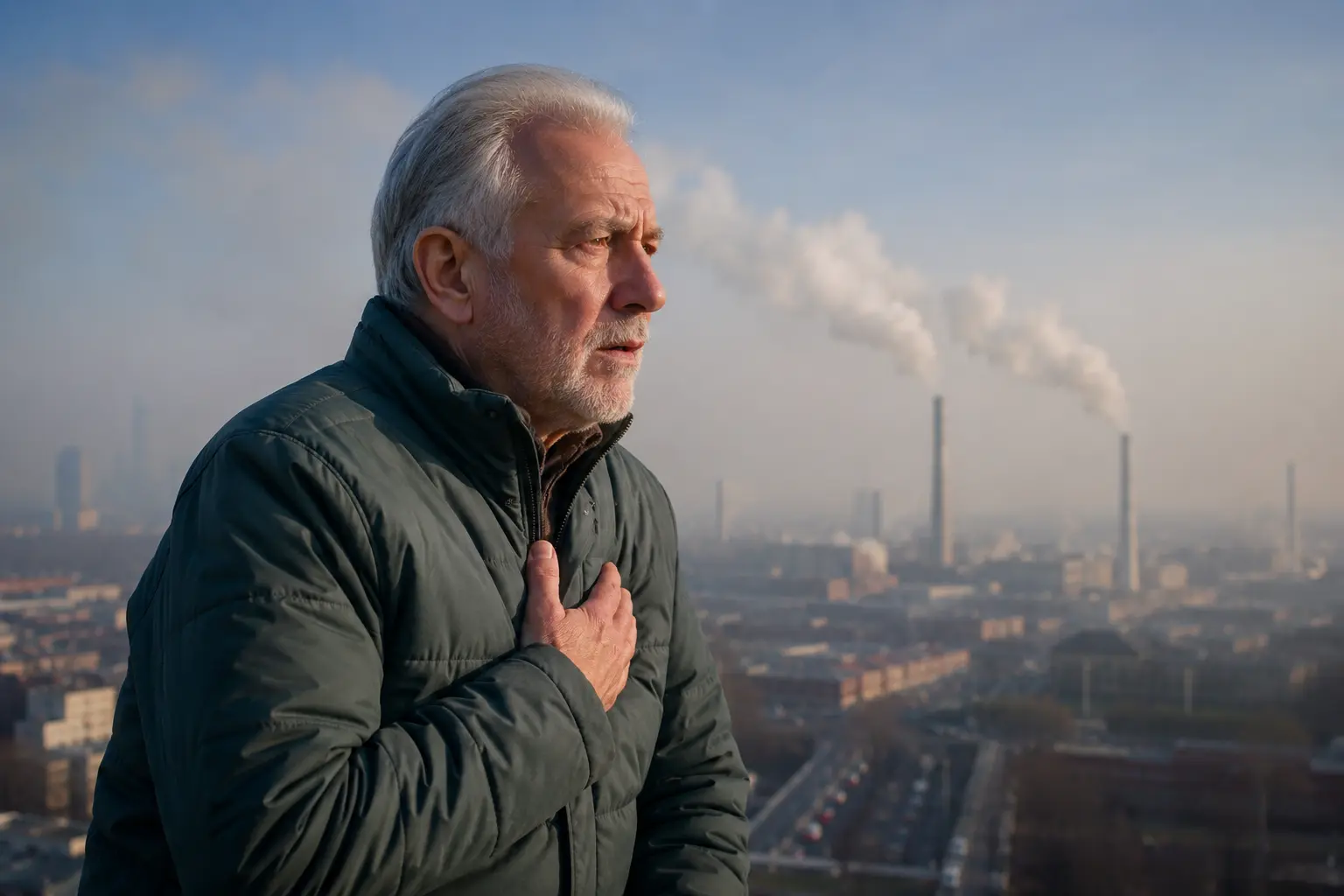
Every breath feels like a battle when you’re dealing with COPD and air quality issues, and the frustration of not knowing what’s actually making it worse is real.
Understanding COPD and its impact on lung function
Chronic Obstructive Pulmonary Disease, or COPD, is a progressive lung condition that fundamentally changes how your respiratory system works. It typically combines two main conditions: emphysema, where the air sacs in your lungs gradually break down and lose their elasticity, and chronic bronchitis, characterized by persistent inflammation of the airways. Picture your lungs as tiny air sacs designed to exchange oxygen efficiently. In COPD, these sacs become damaged and lose their springiness, making it incredibly difficult to push air out during exhalation. The airways themselves become thickened and inflamed, creating additional resistance. This isn’t just about feeling short of breath during exercise; it affects everyday activities like climbing stairs, walking to your car, or even having a conversation. Young adults with COPD often describe the sensation as breathing through a straw that’s partially blocked. Understanding this mechanism helps explain why environmental factors like air pollution can trigger such dramatic symptom flare-ups.
The role of air pollution in exacerbating COPD symptoms
Air pollution acts like an invisible aggressor on lungs already compromised by COPD. When you breathe in polluted air, harmful particles and gases penetrate deep into your respiratory system. Vehicle emissions release nitrogen dioxide and particulate matter, industrial facilities discharge sulfur dioxide, and wildfires send smoke particles miles away. These pollutants don’t just sit passively in your lungs; they trigger an inflammatory cascade. Your immune system recognizes these particles as threats and launches an inflammatory response, causing your airways to swell further and produce excess mucus. This creates a vicious cycle: inflammation narrows airways, making breathing harder, which increases your body’s stress response, which amplifies inflammation even more. Oxidative stress compounds the problem by generating harmful free radicals that damage lung tissue. A young adult might notice this during their commute through heavy traffic or when spending time near construction sites. The connection is immediate and measurable; studies show COPD exacerbations spike on high pollution days, sometimes within hours of exposure.
The impact of air quality improvement on COPD management
When air quality improves, people with COPD often experience tangible relief that extends far beyond just breathing easier. Reducing pollutant exposure means fewer inflammatory triggers, which translates to fewer exacerbations and hospitalizations. Your lungs get a chance to recover, and your overall lung function can stabilize or even improve slightly. Imagine going through a week where you’re not constantly battling your environment; you have more energy for work, exercise, and social activities. Young adults particularly benefit because they have more years ahead to build healthy habits and prevent further lung decline. Better air quality also reduces the burden on your immune system, allowing it to focus on other health challenges. The quality of life improvements are significant: fewer missed workdays, better sleep without nighttime coughing, and reduced anxiety about when the next flare-up might occur. Some research suggests that people living in areas with improved air quality show measurable improvements in lung function tests within months. This isn’t about curing COPD, but about removing one major obstacle that’s been working against your respiratory system.
- Ensure proper ventilation in indoor spaces to reduce exposure to indoor pollutants, using exhaust fans in bathrooms and kitchens, opening windows during low pollution hours, and maintaining HVAC systems with regular filter changes.
- Use air purifiers with HEPA filters to remove particles and improve indoor air quality, placing them in your bedroom and main living areas where you spend the most time.
- Avoid outdoor activities on high pollution days and in areas with heavy traffic or industrial emissions, checking air quality indexes before planning outdoor exercise or errands.
🔬 Science-backed benefits in 2 minuteschoose where to begin:
The link between climate change and COPD prevalence
Climate change isn’t just about rising temperatures; it’s fundamentally reshaping air quality patterns worldwide. As global temperatures increase, we’re seeing more frequent and intense wildfires, longer pollen seasons, and changes in atmospheric conditions that trap pollutants closer to ground level. Warmer air creates temperature inversions that prevent pollutants from dispersing upward, essentially creating a toxic blanket over cities. Young adults are witnessing this firsthand; wildfire smoke now travels thousands of miles, affecting air quality in regions far from the actual fires. The connection to COPD is direct and alarming: as air quality deteriorates due to climate-driven factors, COPD prevalence rises correspondingly. People who already have COPD face compounding risks, while those without it face increased risk of developing the disease. The feedback loop is concerning because climate change also increases heat stress, which can worsen respiratory symptoms independently. Research shows that regions experiencing the most dramatic climate changes are also seeing the steepest increases in COPD diagnoses. This isn’t a distant future problem; it’s happening now, affecting how young adults manage their health today.
Research advances in air pollution monitoring and COPD prevention
Modern technology has revolutionized how scientists understand the air pollution-COPD relationship. Real-time air quality monitoring networks now track specific pollutants like PM2.5, ozone, and nitrogen dioxide with unprecedented precision, allowing researchers to correlate pollution spikes with COPD exacerbations in specific populations. Advanced epidemiological studies follow thousands of people over years, revealing which pollutants pose the greatest threats and at what exposure levels. Genetic research is uncovering why some people with COPD are more susceptible to pollution effects than others, pointing toward personalized prevention strategies. Young adults benefit from this knowledge because prevention is increasingly targeted and evidence-based. Researchers are developing predictive models that forecast high-risk pollution days, enabling people with COPD to plan accordingly. Wearable sensors and smartphone apps now track personal exposure to pollutants, giving individuals real-time data about their environment. This information drives policy changes too; cities armed with detailed pollution data can implement targeted interventions like traffic restrictions during high pollution episodes. The science is moving beyond simple awareness toward actionable intelligence that helps people make informed decisions about their daily activities.
The future outlook for COPD management in the context of air quality
The future of COPD management is shifting toward personalized, precision-based approaches that account for individual exposure patterns and genetic susceptibility. Rather than one-size-fits-all recommendations, treatment plans will increasingly incorporate your specific air quality exposure, occupational environment, and genetic risk factors. Young adults entering the workforce now will benefit from this evolution; employers are beginning to recognize air quality as a workplace health issue, implementing air filtration systems and flexible schedules for high pollution days. Telemedicine and remote monitoring technologies allow doctors to track your symptoms in real-time and adjust treatment before exacerbations occur. Integration of air quality data into electronic health records means your healthcare provider can see exactly what pollution levels you were exposed to when symptoms flare. Lifestyle modifications will become increasingly sophisticated, moving beyond generic advice to personalized strategies based on your specific triggers and circumstances. Public health initiatives are shifting from reactive treatment toward proactive prevention, with focus on reducing pollution sources rather than just helping people cope with existing pollution. The convergence of better monitoring, personalized medicine, and environmental policy creates genuine hope for improved outcomes.
Air pollution significantly exacerbates COPD by triggering inflammation and oxidative stress in already compromised lungs. Improving air quality through personal protective measures and supporting broader environmental policies can lead to fewer exacerbations, better lung function, and enhanced quality of life for individuals managing COPD.
Can air pollution directly cause COPD?
While air pollution doesn’t directly cause COPD in the way smoking does, prolonged exposure to high pollution levels can increase the risk of developing COPD, particularly in genetically susceptible individuals. For those already diagnosed, pollution acts as a major trigger for symptom exacerbations and disease progression.
How can individuals with COPD protect themselves from air pollution?
Individuals with COPD can protect themselves by monitoring air quality indexes before outdoor activities, using HEPA-filtered air purifiers indoors, maintaining proper ventilation, avoiding high-traffic areas during peak pollution hours, wearing N95 masks on high pollution days, and working with healthcare providers to develop personalized exposure reduction strategies.
Others also read:
Disclaimer: This article is for informational purposes only and is not a substitute for professional medical advice. Always consult a healthcare professional for personal guidance.
This article has been prepared and reviewed by the GlobalHealthBeacon editorial team and is based on current medical research and published scientific literature available in 2026. It provides structured, evidence-based information to support informed health decisions.
