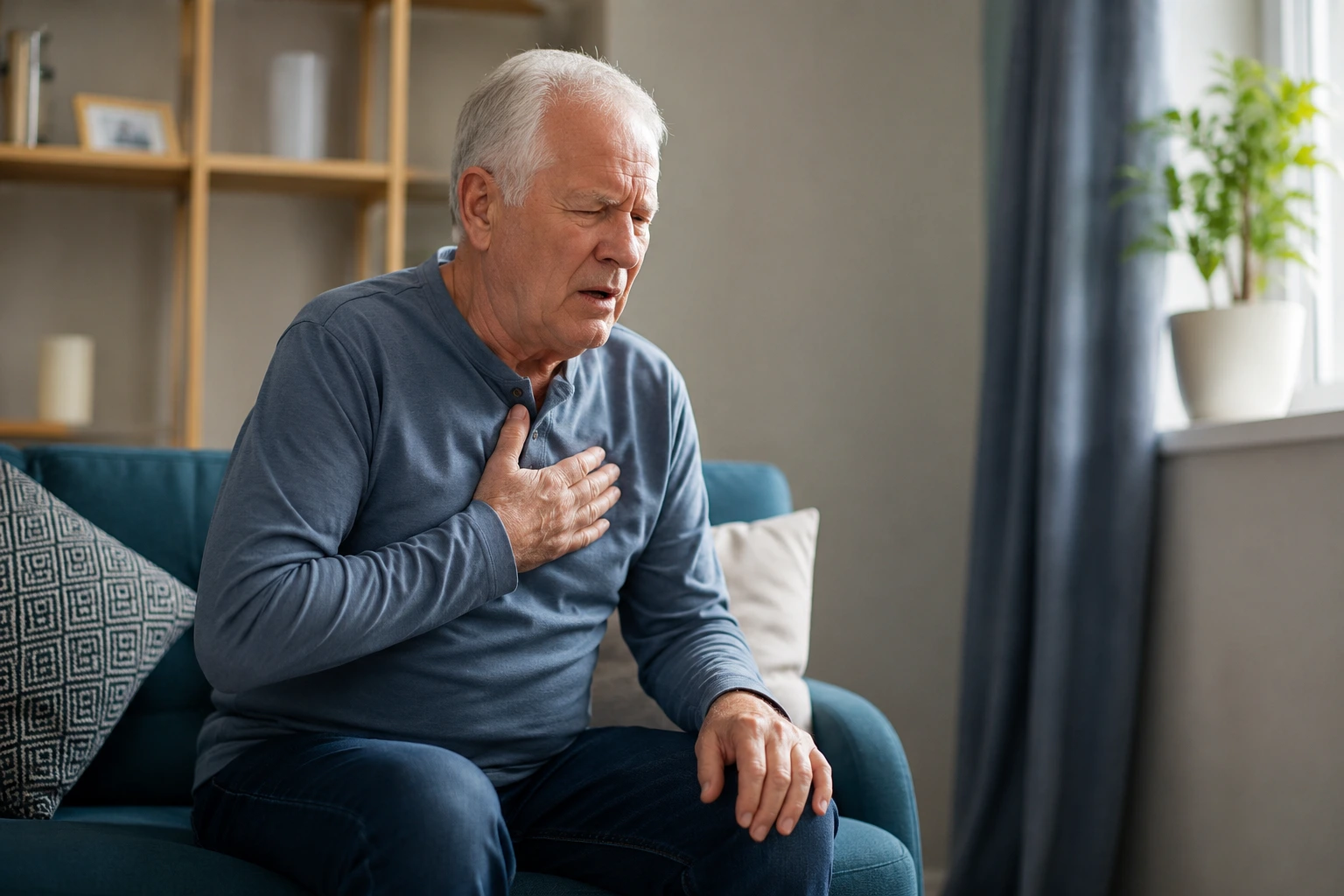
You’re catching your breath after climbing stairs, or maybe you’ve noticed a cough that won’t quit, and suddenly you’re wondering if something’s seriously wrong with your lungs – COPD explained simply means understanding why your body is sending these signals and what you can actually do about it.
What is COPD?
COPD, or Chronic Obstructive Pulmonary Disease, is a progressive lung disease that makes breathing progressively harder over time. It’s not a single condition but rather a group of diseases, primarily emphysema and chronic bronchitis, that work together to damage your airways and air sacs. Imagine your lungs as a network of tiny air passages – in COPD, these passages become inflamed, narrowed, and lose their elasticity, making it harder for oxygen to reach your bloodstream. The disease develops slowly, often without obvious symptoms at first, which is why many young adults don’t realize they have it until they notice persistent shortness of breath during activities they used to handle easily. Common symptoms include shortness of breath, wheezing, chest tightness, and a chronic cough that produces mucus. Smoking is the leading cause of COPD, but long-term exposure to other lung irritants like air pollution, secondhand smoke, or occupational chemicals can also contribute to the development of the disease. Early diagnosis and treatment can help manage COPD symptoms and improve quality of life significantly.
- Common symptoms include shortness of breath, wheezing, chest tightness, and a chronic cough.
- Smoking is the leading cause of COPD, but long-term exposure to other lung irritants can also contribute to the development of the disease.
- Early diagnosis and treatment can help manage COPD symptoms and improve quality of life.
Understanding COPD risk factors
Your risk of developing COPD depends on a combination of personal, genetic, and environmental factors working together over time. Smoking remains the most significant risk factor, but the timeline matters – someone who smoked heavily for 20 years faces higher risk than someone with a 5-year history. Environmental pollutants like air pollution, occupational dust, and chemical fumes accumulate in your lungs over years, gradually damaging tissue. Genetic predisposition plays a role too, especially if you have a family history of COPD or a condition called alpha-1 antitrypsin deficiency, a rare genetic disorder that makes lungs vulnerable to damage. Respiratory infections during childhood or repeated infections throughout life can weaken lung function and increase susceptibility. Age matters as well – while COPD typically develops after age 40, younger people with multiple risk factors can develop it earlier. Being aware of these risk factors helps you take proactive steps to reduce your chances of developing COPD, whether that means quitting smoking, improving your home air quality, or seeking early screening if you have family history.
📘 Fix your day in under 2 minuteschoose where to begin:
Diagnosis and treatment options
If you experience symptoms like chronic cough, mucus production, shortness of breath, and wheezing, scheduling an appointment with a healthcare provider is your first step toward clarity. Your doctor will likely perform a spirometry test, which measures how much air your lungs can hold and how quickly you can exhale – think of it as a fitness test for your lungs. They may also order chest X-rays or CT scans to rule out other conditions and assess lung damage. Once diagnosed, treatment becomes personalized based on your COPD severity and how your lungs respond. Medications like bronchodilators help relax airway muscles and improve breathing, while inhaled corticosteroids reduce inflammation. Pulmonary rehabilitation programs teach you breathing techniques, exercise routines, and energy conservation strategies that genuinely improve daily function. Oxygen therapy becomes necessary when blood oxygen levels drop too low, ensuring your organs receive adequate oxygen during rest and activity. In severe cases, surgical options like lung volume reduction surgery or lung transplantation may be considered, though these are typically reserved for advanced disease. The key is working closely with your healthcare team to find the right combination of treatments that work for your specific situation.
Lifestyle changes for managing COPD
Managing COPD successfully requires making deliberate lifestyle adjustments that protect your lungs and support your overall health. Quitting smoking is non-negotiable if you want to slow disease progression – your lungs begin healing within weeks of quitting, and this single change has the most dramatic impact on your future. Staying physically active, even with modified exercise, strengthens respiratory muscles and improves oxygen efficiency; walking, swimming, or cycling at a comfortable pace works better than high-intensity exercise that leaves you gasping. Eating a healthy, balanced diet rich in antioxidants and lean proteins supports lung tissue repair and maintains a healthy weight, which reduces strain on your respiratory system. Avoiding lung irritants like air pollution, secondhand smoke, strong perfumes, and cleaning chemicals protects your already-compromised airways from additional damage. During high pollution days, stay indoors with air filters running, or wear an N95 mask if you must go outside. Getting annual flu vaccines and pneumonia vaccines prevents respiratory infections that can trigger COPD exacerbations and hospitalizations. Managing stress through meditation or gentle yoga helps control breathing patterns and reduces the anxiety that often accompanies breathlessness. These changes work together to slow disease progression and help you maintain independence.
Living well with COPD
Living with COPD presents real challenges, but countless people manage this condition successfully and maintain fulfilling, active lives. The mental aspect matters as much as the physical – anxiety about breathlessness can actually trigger panic, creating a cycle that makes breathing harder. Joining support groups, either in-person or online, connects you with others navigating the same struggles, reducing isolation and providing practical tips from real experience. Staying connected with your healthcare team through regular check-ups and honest conversations about your symptoms helps catch complications early before they become serious. Following your treatment plan consistently, even on days when you feel fine, prevents exacerbations and hospitalizations. Setting realistic goals helps maintain motivation – instead of thinking you can never hike again, perhaps you plan shorter walks on good air quality days. Many young adults with COPD continue working, traveling, and enjoying hobbies by planning ahead and pacing themselves. Learning to recognize early warning signs of exacerbations, like increased mucus production or worsening shortness of breath, allows you to seek treatment quickly. With proper management, support, and a willingness to adapt, you can maintain a good quality of life and accomplish meaningful goals.
COPD, or Chronic Obstructive Pulmonary Disease, is a progressive lung condition that affects breathing and develops over time through smoking, environmental exposure, or genetic factors. Understanding the risk factors, diagnosis, treatment options, and lifestyle modifications empowers young adults to manage COPD effectively, slow disease progression, and maintain quality of life through consistent treatment and meaningful lifestyle changes.
Can COPD be cured?
COPD is a chronic condition that cannot be cured, but with proper management and treatment, symptoms can be controlled, and quality of life can be improved.
Is COPD hereditary?
While COPD is not directly inherited, genetic factors can increase the risk of developing the condition. Environmental factors like smoking and exposure to lung irritants also play a significant role in the development of COPD.
Disclaimer: This article is for informational purposes only and is not a substitute for professional medical advice. Always consult a healthcare professional for personal guidance.
This guide has been prepared and reviewed by the GlobalHealthBeacon editorial team and reflects current medical research as of 2026. It provides structured, evidence-based information to support informed health decisions.
