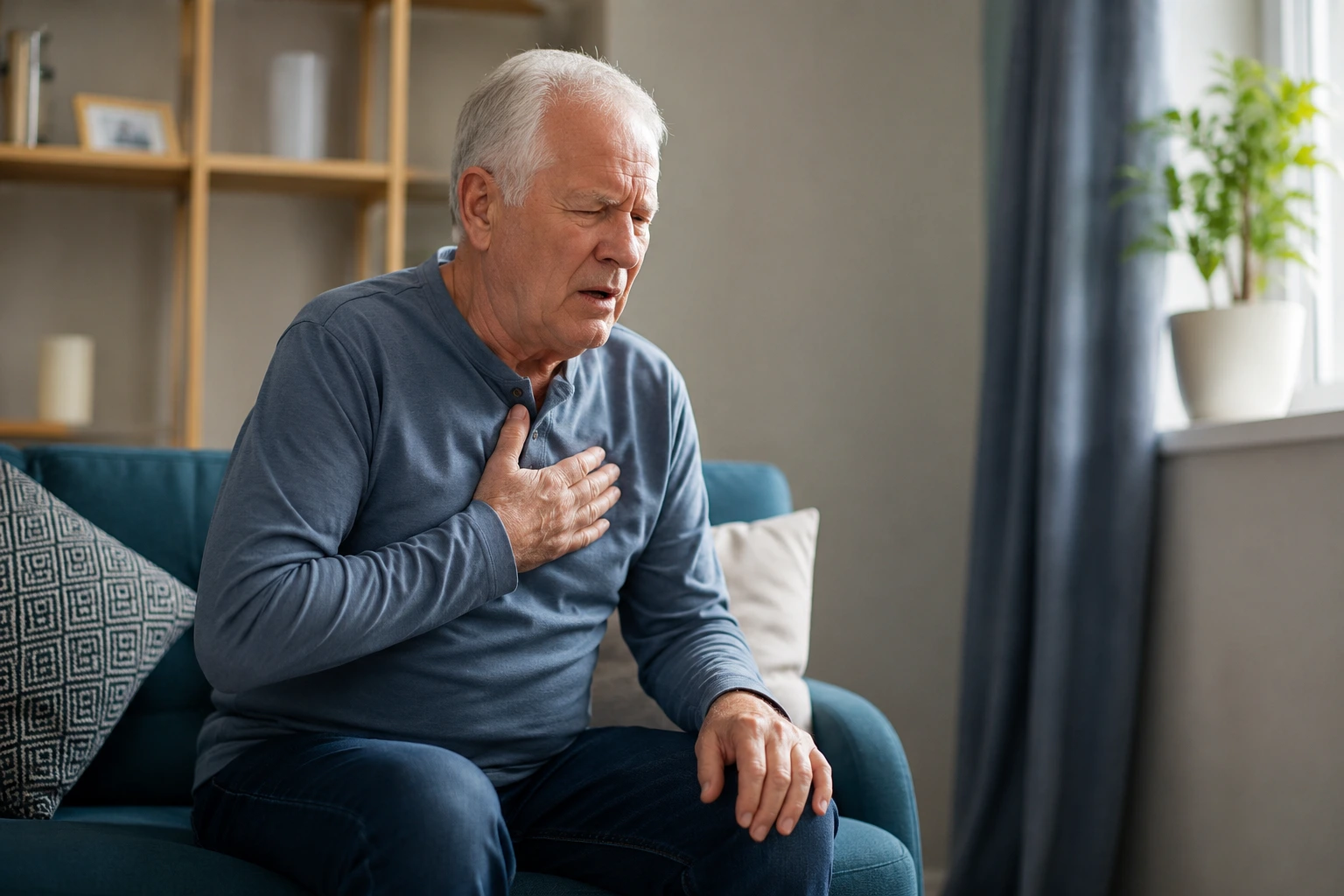
You’re climbing stairs and suddenly you’re gasping for air like you just sprinted a marathon, except you didn’t, and that terrifying feeling keeps happening, so let’s get COPD explained simply because something is clearly wrong and you need to understand what’s actually happening in your lungs.
Understanding COPD: breaking down the basics
Chronic Obstructive Pulmonary Disease, or COPD, is a progressive lung condition that fundamentally changes how your lungs work. Imagine your airways as tiny tubes that should be flexible and open, allowing air to flow freely in and out. In COPD, these tubes become narrowed and inflamed, making each breath a conscious effort. The condition typically involves two main components: emphysema, where the air sacs in your lungs lose their elasticity and collapse, and chronic bronchitis, where the airways produce excess mucus that clogs the passages. Young adults with COPD often experience persistent coughing, wheezing that sounds like a whistle when breathing, and shortness of breath that worsens with physical activity. Understanding these mechanisms helps explain why simple tasks like walking upstairs or playing sports become exhausting challenges.
Causes and risk factors of COPD
COPD develops through a combination of environmental exposure and genetic predisposition. Cigarette smoking remains the leading cause, but young adults often underestimate other significant risk factors. Occupational exposure to dust, chemicals, or fumes in construction, mining, or manufacturing environments can trigger COPD even in non-smokers. Air pollution, secondhand smoke, and indoor heating fuel exposure also contribute substantially. Some individuals inherit genetic variations like alpha-1 antitrypsin deficiency, making their lungs more vulnerable to damage. A young adult might develop COPD from years of working in a poorly ventilated factory, or from growing up in a household with heavy smokers. The key insight is that COPD rarely appears overnight, it accumulates gradually from repeated irritant exposure, making early awareness of these risk factors crucial for prevention.
Research-backed COPD treatments
Evidence-based COPD management combines multiple approaches tailored to individual severity. Smoking cessation stands as the single most effective intervention, halting disease progression and allowing some lung function recovery over time. Pulmonary rehabilitation programs, typically lasting 8-12 weeks, combine supervised exercise training with education and breathing techniques, demonstrating measurable improvements in exercise capacity and quality of life. Medications form the foundation of symptom management: bronchodilators relax airway muscles to improve airflow, while inhaled corticosteroids reduce inflammation in the airways. Long-acting medications taken daily provide sustained control, whereas short-acting rescue inhalers address acute symptoms. For moderate to severe COPD, combination inhalers containing multiple drug classes optimize treatment efficiency. Oxygen therapy becomes necessary when blood oxygen levels drop significantly. Some young adults benefit from newer biologic medications targeting specific inflammatory pathways. The treatment approach evolves as the disease progresses, requiring regular reassessment and adjustment.
- Consult a pulmonologist or respiratory specialist for comprehensive lung function testing and personalized treatment planning based on your specific COPD severity and symptoms.
- Participate in structured pulmonary rehabilitation programs that combine aerobic exercise, strength training, and breathing technique instruction to maximize lung capacity.
- Follow a nutrient-dense diet emphasizing lean proteins, whole grains, and antioxidant-rich vegetables while maintaining adequate hydration to support respiratory muscle function.
🔬 Science-backed benefits in 2 minuteschoose where to begin:
Biological mechanisms of COPD
At the cellular level, COPD involves destructive inflammation that damages lung tissue irreversibly. When irritants like cigarette smoke enter the lungs repeatedly, immune cells become chronically activated, releasing enzymes and inflammatory molecules that attack the elastic fibers holding airways open. The air sacs lose their structural integrity, creating larger, less efficient spaces that trap air during exhalation. This air trapping means your lungs never fully empty before the next breath begins, leaving stale air that reduces oxygen exchange. The inflamed airways produce excessive mucus, further obstructing airflow and creating an environment where infections flourish. Over time, the muscles controlling breathing weaken from the constant struggle against resistance. Young adults with COPD experience this cascade of damage accumulating silently for years before symptoms become noticeable, which is why early detection through screening matters significantly.
Managing COPD: lifestyle modifications and support
Beyond medications, lifestyle choices dramatically influence COPD progression and daily functioning. Quitting smoking immediately stops ongoing lung damage and allows gradual healing of airways. Avoiding respiratory irritants means staying away from secondhand smoke, air pollution, and chemical fumes, sometimes requiring job changes or home modifications. Regular physical activity, even gentle walking or swimming, strengthens respiratory muscles and improves cardiovascular fitness, reducing breathlessness during daily activities. Joining COPD support groups connects young adults with others navigating similar challenges, providing emotional support and practical strategies. Maintaining good nutrition supports immune function and muscle strength. Staying current with vaccinations like flu and pneumonia shots prevents infections that could trigger severe COPD exacerbations. Sleep quality matters too, as poor sleep worsens inflammation and reduces exercise tolerance. These modifications work synergistically with medications to slow disease progression and maintain independence.
Looking towards the future with COPD
Early diagnosis fundamentally changes COPD outcomes for young adults. Identifying the condition before significant lung damage occurs allows interventions to preserve remaining function and prevent rapid decline. Strict adherence to prescribed medications, even when feeling well, maintains airway inflammation control and prevents sudden exacerbations. Regular monitoring through spirometry tests tracks lung function changes, alerting your healthcare team to disease progression requiring treatment adjustments. Emerging research explores regenerative therapies and targeted biologics that may slow or reverse some COPD damage. Young adults who proactively manage their condition through consistent treatment, lifestyle modifications, and regular medical follow-up often maintain functional independence and quality of life for decades. The trajectory isn’t inevitable decline, it’s manageable progression where informed choices and medical partnership create meaningful differences in how COPD affects your life.
COPD in young adults requires a comprehensive approach combining evidence-based treatments like smoking cessation, pulmonary rehabilitation, and targeted medications with lifestyle modifications and consistent medical monitoring. Understanding the biological mechanisms driving airway destruction empowers young adults to make informed decisions about their health. While COPD remains a chronic condition without cure, early diagnosis and proactive management enable many individuals to maintain functional capacity and lead fulfilling lives despite the condition’s challenges.
Can COPD be prevented in young adults?
While genetic factors create some unavoidable vulnerability, young adults can substantially reduce COPD risk through avoiding smoking and secondhand smoke exposure, minimizing occupational chemical and dust exposure with proper protective equipment, limiting air pollution exposure, and maintaining overall respiratory health through exercise and good nutrition.
Is there a cure for COPD?
Currently, no cure exists for COPD because the lung damage is largely irreversible once it occurs. However, highly effective treatment strategies manage symptoms, slow disease progression significantly, prevent exacerbations, and improve quality of life substantially when implemented early and consistently.
Others also read:
Disclaimer: This article is for informational purposes only and is not a substitute for professional medical advice. Always consult a healthcare professional for personal guidance.
This article has been prepared and reviewed by the GlobalHealthBeacon editorial team and is based on current medical research and published scientific literature available in 2026. It provides structured, evidence-based information to support informed health decisions.
