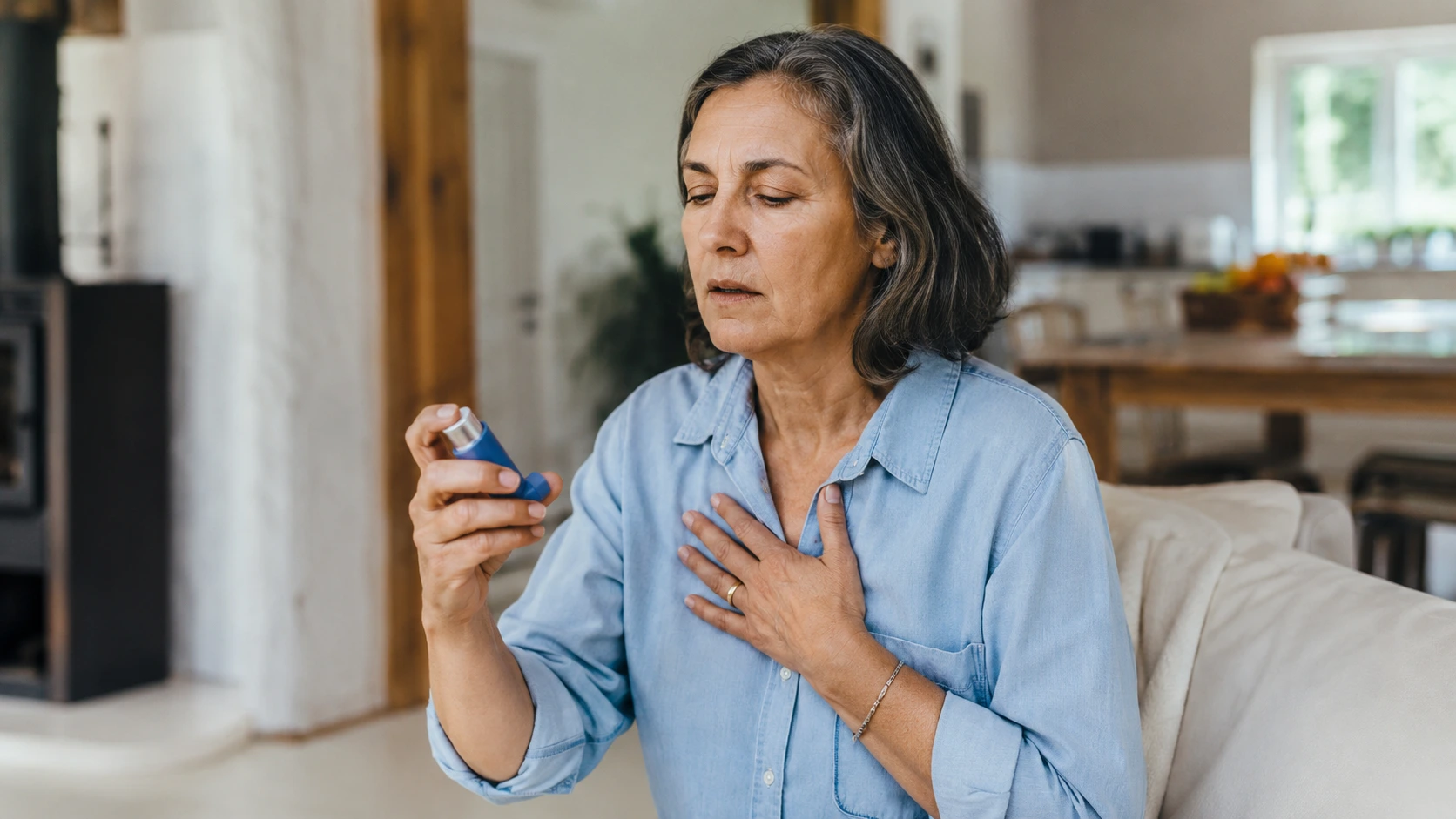
You wake up wheezing, can’t catch your breath during a simple walk, and you’re terrified it’s getting worse, but nobody’s explained whether this is copd versus asthma or what the heck you’re supposed to do about it.
Understanding COPD and asthma
COPD and asthma are chronic respiratory conditions that affect the lungs and airways, but they differ fundamentally in how they develop and progress. COPD, or chronic obstructive pulmonary disease, is often caused by smoking or long-term exposure to pollutants, dust, or chemicals in the workplace. Asthma, by contrast, is typically triggered by allergies, respiratory infections, exercise, or environmental factors like cold air. Think of COPD like permanent damage to your lungs that gets worse over time, while asthma is more like your airways overreacting to specific triggers. A 68-year-old former smoker might develop COPD gradually over decades, noticing their breathing worsens year after year. Meanwhile, a 70-year-old with asthma might have good days and bad days depending on whether they encounter their specific triggers. Both conditions cause shortness of breath, coughing, and wheezing, which is why many seniors initially struggle to tell them apart. The key difference lies in reversibility: COPD causes permanent lung damage that cannot be reversed, while asthma symptoms can improve significantly with proper medications and lifestyle management.
- COPD is irreversible and progressive, leading to permanent lung damage that worsens over time
- Asthma is reversible with proper management through medications and lifestyle changes that can restore normal breathing
- Both conditions can cause shortness of breath, coughing, and wheezing, making early diagnosis essential
Diagnosis and symptoms
To differentiate between COPD and asthma, your doctor will perform specific lung function tests, often called spirometry, which measures how much air your lungs can hold and how quickly you can exhale. They’ll also review your medical history, ask about smoking or occupational exposures, and analyze the pattern of your symptoms. COPD symptoms tend to worsen gradually and consistently over time, with persistent coughing and daily shortness of breath that doesn’t improve much with rest. Asthma symptoms, however, can vary dramatically in intensity and frequency, sometimes appearing suddenly after exposure to a trigger and then improving once the trigger is removed. For example, a senior with COPD might cough every morning and feel short of breath during any physical activity, while a senior with asthma might breathe normally most days but experience sudden wheezing after playing with grandchildren or during pollen season. Your doctor may also perform a bronchodilator test, where you inhale medication and then repeat the lung function test to see if your airways open up. If your breathing improves significantly after the medication, asthma is more likely. If little improvement occurs, COPD is the probable diagnosis. Chest X-rays or CT scans may also be ordered to rule out other conditions and assess lung damage.
📘 Fix your day in under 2 minuteschoose where to begin:
Treatment approaches
Treatment for COPD and asthma involves different strategies tailored to each condition’s nature. For COPD, doctors typically prescribe long-acting bronchodilators, which are inhalers you use daily to keep your airways open and reduce symptoms. You might also receive corticosteroids to reduce inflammation in the lungs. A 72-year-old with moderate COPD might use a maintenance inhaler every morning and evening, plus a rescue inhaler for sudden breathing difficulties. Asthma treatment often focuses on quick-relief inhalers for acute symptoms and controller medications taken daily to prevent attacks from happening in the first place. Many seniors find that using a spacer device with their inhaler helps them get more medication into their lungs effectively. Beyond medications, pulmonary rehabilitation programs are invaluable for both conditions. These programs combine supervised exercise training, breathing techniques, and education about your condition. A typical session might involve walking on a treadmill, practicing pursed-lip breathing to slow your exhalation, and learning how to pace activities to conserve energy. Oxygen therapy may be necessary for seniors with severe COPD who have low blood oxygen levels. Lifestyle adjustments, including quitting smoking, avoiding air pollution, and managing stress, are equally important. Your healthcare team will create a personalized care plan based on your specific diagnosis and severity.
Managing daily life
Living well with COPD or asthma requires building sustainable habits that support your breathing and overall health. Regular exercise is crucial, though it must be tailored to your condition. A senior with asthma might enjoy brisk walking or swimming, while someone with COPD might start with gentle walking and gradually increase intensity under medical guidance. A healthy diet rich in fruits, vegetables, and lean proteins supports lung health and maintains a healthy weight, which reduces strain on your respiratory system. Avoiding triggers is essential: for COPD patients, this means staying away from smoke, air pollution, and respiratory infections; for asthma patients, it might mean avoiding allergens like pollen, pet dander, or strong perfumes. Keep a symptom diary to track patterns and identify your personal triggers. Follow your care plan consistently, taking medications exactly as prescribed even on days you feel fine. Attend regular check-ups with your healthcare provider, typically every three to six months, to monitor your condition and adjust treatment if needed. Learn to recognize warning signs like increased coughing, more frequent shortness of breath, or changes in mucus color, which might signal an infection or worsening condition. Stay up to date with vaccinations, including flu and pneumonia shots, which are especially important for protecting your lungs. Consider using a peak flow meter at home to track your breathing, which gives you early warning of problems before they become serious.
Seeking support and resources
Managing a chronic respiratory condition is not something you should do alone. Joining a support group for COPD or asthma connects you with others who understand exactly what you’re experiencing, whether it’s the frustration of limited activity or the anxiety of sudden breathing difficulties. These groups, often hosted by hospitals, clinics, or organizations like the American Lung Association, provide practical tips for coping, emotional support, and sometimes expert speakers who share the latest treatment advances. Online communities also offer flexible options if attending in-person meetings is difficult. Your doctor can refer you to respiratory therapists who teach breathing techniques and help you use your inhaler correctly, a skill many seniors overlook but that dramatically improves medication effectiveness. Educational resources, including books, videos, and websites from reputable health organizations, help you understand your condition deeply so you can make informed decisions about your care. Consider asking your doctor about pulmonary rehabilitation programs in your area, which combine exercise, education, and counseling in a structured environment. Family members can also benefit from learning about your condition, as they can help you recognize warning signs and provide practical support. Stay informed about new treatments and advancements by discussing emerging options with your healthcare provider at each visit. Remember that managing these conditions is an ongoing process, and staying connected to resources and support systems makes the journey significantly easier.
COPD and asthma are chronic respiratory conditions with distinct causes, progression patterns, and treatments. Understanding the differences between these conditions helps seniors manage their specific diagnosis effectively, choose appropriate treatments, and make lifestyle adjustments that genuinely improve quality of life and daily functioning.
Can COPD and asthma be cured?
COPD is irreversible because it involves permanent damage to the lungs and airways, but asthma can be managed very effectively with medications and lifestyle changes, often allowing people to live symptom-free or nearly symptom-free lives. While there is no cure for either condition, proper treatment can control symptoms remarkably well, improve quality of life, and help you stay active and independent. Many seniors with well-managed asthma experience few limitations, while those with COPD can significantly slow disease progression and maintain good function through consistent care.
What are the main triggers for COPD and asthma?
For COPD, the primary cause is smoking or long-term exposure to pollutants, dust, or chemicals, and ongoing triggers include air pollution, respiratory infections, and cold air. Asthma is often triggered by allergens like pollen or pet dander, respiratory infections, exercise, cold air, strong odors, or emotional stress. Seniors should work with their doctor to identify their specific triggers through careful observation and symptom tracking, then develop strategies to avoid or minimize exposure to those triggers.
Others also read:
Disclaimer: This article is for informational purposes only and is not a substitute for professional medical advice. Always consult a healthcare professional for personal guidance.
This guide has been prepared and reviewed by the GlobalHealthBeacon editorial team and reflects current medical research as of 2026. It provides structured, evidence-based information to support informed health decisions.
