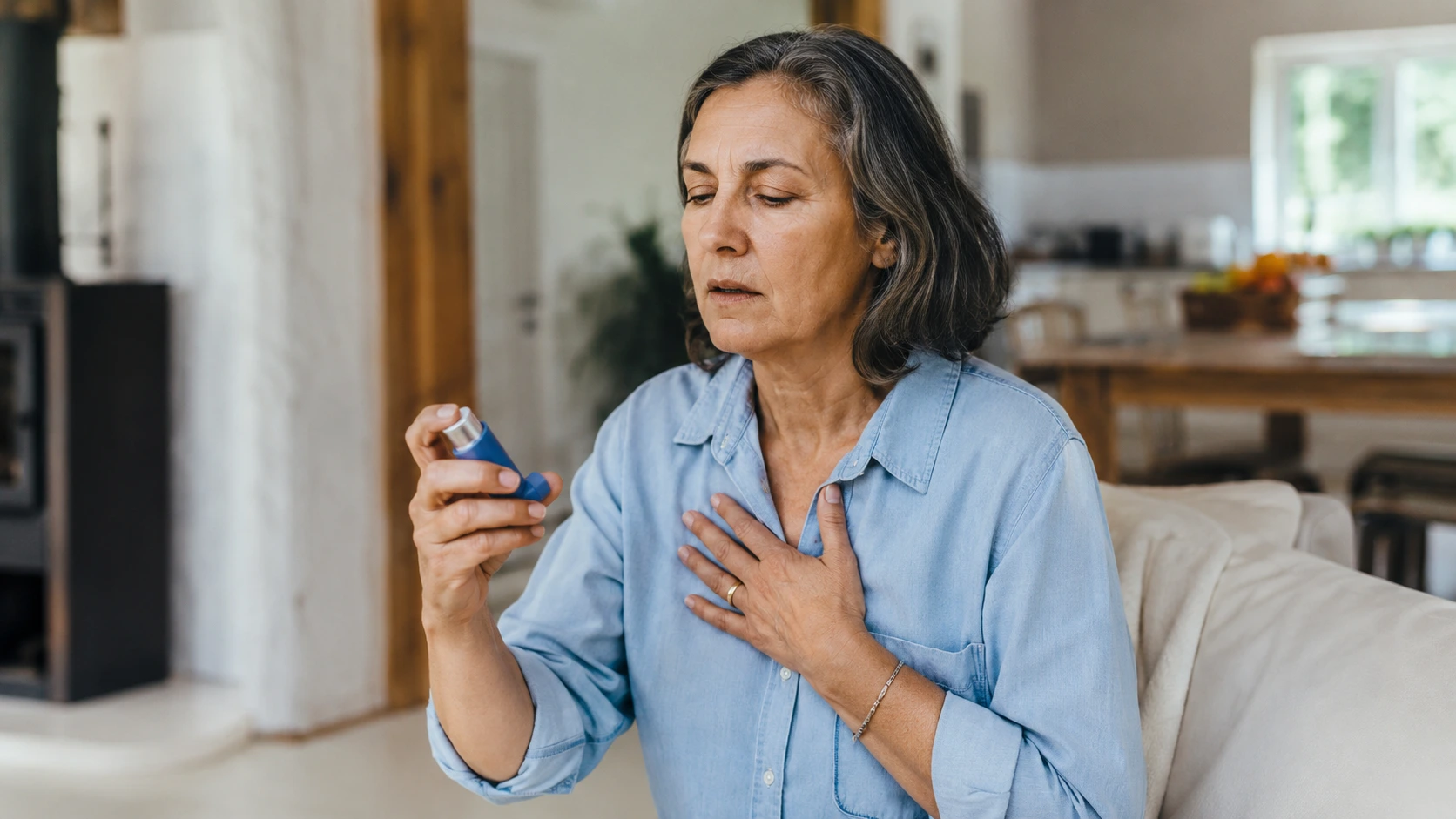
You’re catching your breath after climbing stairs, or maybe you’re waking up at night gasping for air, and you have no idea if it’s COPD versus asthma or something else entirely, and that uncertainty is eating at you.
Understanding COPD
Chronic Obstructive Pulmonary Disease, or COPD, represents a group of progressive lung conditions that narrow the airways and make breathing increasingly difficult over time. The disease typically develops after years of exposure to harmful irritants, most commonly cigarette smoke, though occupational chemicals, air pollution, and biomass fuels can also trigger it. Picture a woman in her 60s who smoked for 30 years and now finds herself unable to walk to her mailbox without stopping to catch her breath. That progressive limitation is COPD at work. The condition damages the tiny air sacs in the lungs, called alveoli, and destroys the elastic tissue that helps airways stay open. This damage is largely permanent, which is why COPD is considered a progressive disease. Women are increasingly affected by COPD, and interestingly, female smokers may develop the disease with fewer pack-years of smoking exposure compared to men, suggesting biological differences in how women’s lungs respond to irritants.
Mechanism of asthma
Asthma operates through a completely different biological mechanism. Instead of permanent structural damage, asthma involves the immune system overreacting to triggers, causing the airways to become inflamed and constricted temporarily. When a woman with asthma encounters a trigger, whether it’s pollen during spring, pet dander, cold air, or even stress, her immune system releases chemicals that cause the muscles around the airways to tighten and the airway lining to swell. This creates that characteristic wheezing sound and the sensation of chest tightness. The key difference is reversibility: once the trigger is removed or medication is taken, the airways typically return to normal function. A woman might experience an asthma attack during her morning jog due to exercise-induced bronchoconstriction, but after using her rescue inhaler, she recovers completely within minutes. Asthma can develop at any age, though many women first notice symptoms in childhood or adolescence, and some develop it later in life, particularly after respiratory infections or hormonal changes.
Key differences between COPD and asthma
The distinctions between these two conditions shape everything about how they’re managed and what to expect long-term. COPD is progressive and largely irreversible, meaning lung function gradually declines over time despite treatment, whereas asthma is typically reversible and can be well-controlled with proper medication and trigger avoidance. COPD predominantly affects older adults with a significant smoking history, though non-smokers can develop it too, while asthma often begins in childhood or early adulthood and can persist or even develop later in life. The symptom patterns differ notably: COPD usually presents as a persistent, productive cough with excessive mucus production, chronic shortness of breath that worsens with activity, and wheezing that develops gradually over months or years. Asthma symptoms, by contrast, come and go in episodes triggered by specific factors, featuring acute wheezing, sudden breathlessness, chest tightness, and nighttime coughing. Consider a 55-year-old woman with COPD who coughs every single morning and struggles to climb stairs daily versus a 35-year-old woman with asthma who breathes normally most days but experiences sudden attacks when exposed to her cat or during high pollen season. Understanding these differences is crucial because treatment approaches diverge significantly based on the underlying disease mechanism.
- Monitor lung function regularly through spirometry tests to track changes in airflow and catch any decline early.
- Avoid exposure to smoke, air pollution, and other lung irritants by staying indoors on high pollution days and maintaining smoke-free spaces.
- Follow a personalized treatment plan prescribed by a healthcare provider, taking medications exactly as directed and adjusting as symptoms change.
🔬 Science-backed benefits in 2 minuteschoose where to begin:
Management strategies for COPD and asthma
Treatment approaches differ fundamentally because the underlying disease mechanisms are distinct. For COPD, the focus centers on slowing disease progression and managing symptoms since the lung damage cannot be reversed. Women with COPD typically use long-acting bronchodilators that keep airways open throughout the day, inhaled corticosteroids to reduce inflammation, and may benefit from pulmonary rehabilitation programs that teach breathing techniques and exercise strategies tailored to their capacity. A woman with moderate COPD might use a combination inhaler twice daily, attend pulmonary rehab twice weekly, and use a rescue inhaler only occasionally for breakthrough symptoms. Asthma management follows a stepwise approach based on severity. Women with mild intermittent asthma might only need a rescue inhaler used occasionally, while those with persistent asthma require daily controller medications like inhaled corticosteroids or combination inhalers to prevent attacks before they start. The goal is achieving control so that asthma doesn’t limit daily activities. Many women find their asthma improves dramatically once they identify and avoid triggers, whether that means keeping windows closed during pollen season, using air purifiers, or managing stress through exercise and meditation.
Living with COPD or asthma
Daily life with either condition requires intentional lifestyle adjustments that become second nature over time. For women with COPD, quitting smoking is the single most important step, though it’s never too late to benefit from cessation even after decades of smoking. Staying physically active within personal limits helps maintain muscle strength and cardiovascular fitness, while maintaining a healthy weight reduces the burden on the respiratory system. A woman with COPD might start with gentle walking, gradually building endurance as her body adapts. Managing stress is equally important since anxiety can trigger or worsen breathing difficulties. Women with asthma benefit from similar lifestyle strategies plus meticulous trigger identification and avoidance. This might mean investing in a HEPA filter, choosing hypoallergenic bedding, or timing outdoor activities to avoid high pollen counts. Regular follow-ups with healthcare providers are essential for both conditions, allowing doctors to monitor disease progression, adjust medications, and catch complications early. Many women find that connecting with support groups, whether online or in-person, provides emotional support and practical tips from others navigating the same challenges.
Research and future perspectives
The landscape of COPD and asthma treatment is evolving rapidly, offering hope for better outcomes. Researchers are developing biologic medications that target specific inflammatory pathways, potentially offering more precise treatment for women whose asthma doesn’t respond to standard therapies. Gene-based treatments show promise in animal models and early human trials, potentially addressing the root causes rather than just managing symptoms. For COPD, emerging therapies aim to slow or halt lung function decline, and researchers are investigating whether certain medications might even restore some lung function in early stages. Personalized medicine is becoming increasingly important, with genetic testing and biomarker analysis helping doctors predict which treatments will work best for individual women. Early diagnosis has become crucial, as starting treatment before significant lung damage occurs can dramatically alter the disease trajectory. Women are increasingly recognized as a distinct population in respiratory research, with studies showing that hormonal factors, pregnancy, and menopause can influence both asthma and COPD severity, leading to more tailored treatment approaches.
Understanding the differences between COPD and asthma is vital for effective management and realistic expectations about living with these conditions. While COPD is often irreversible and progressive, requiring focus on slowing decline and maintaining quality of life, asthma can be controlled with proper treatment and lifestyle adjustments, allowing many women to live symptom-free most of the time. Regular monitoring and personalized care are key to living well with these lung conditions.
Can COPD develop in non-smokers?
Although smoking is a common cause of COPD, long-term exposure to air pollutants, occupational chemicals like dust or fumes, secondhand smoke, or biomass fuels from cooking fires can also increase the risk of developing this condition, even in non-smokers. Women in certain occupations or living in areas with severe air pollution face elevated risk.
Is asthma a lifelong condition?
Asthma is a chronic condition that can be managed effectively with medication and lifestyle changes. While some people, particularly children, may outgrow asthma or experience fewer symptoms over time, others may continue to experience symptoms throughout their lives. The key is finding the right treatment plan and trigger management strategy for your individual situation.
Others also read:
Disclaimer: This article is for informational purposes only and is not a substitute for professional medical advice. Always consult a healthcare professional for personal guidance.
This article has been prepared and reviewed by the GlobalHealthBeacon editorial team and is based on current medical research and published scientific literature available in 2026. It provides structured, evidence-based information to support informed health decisions.
