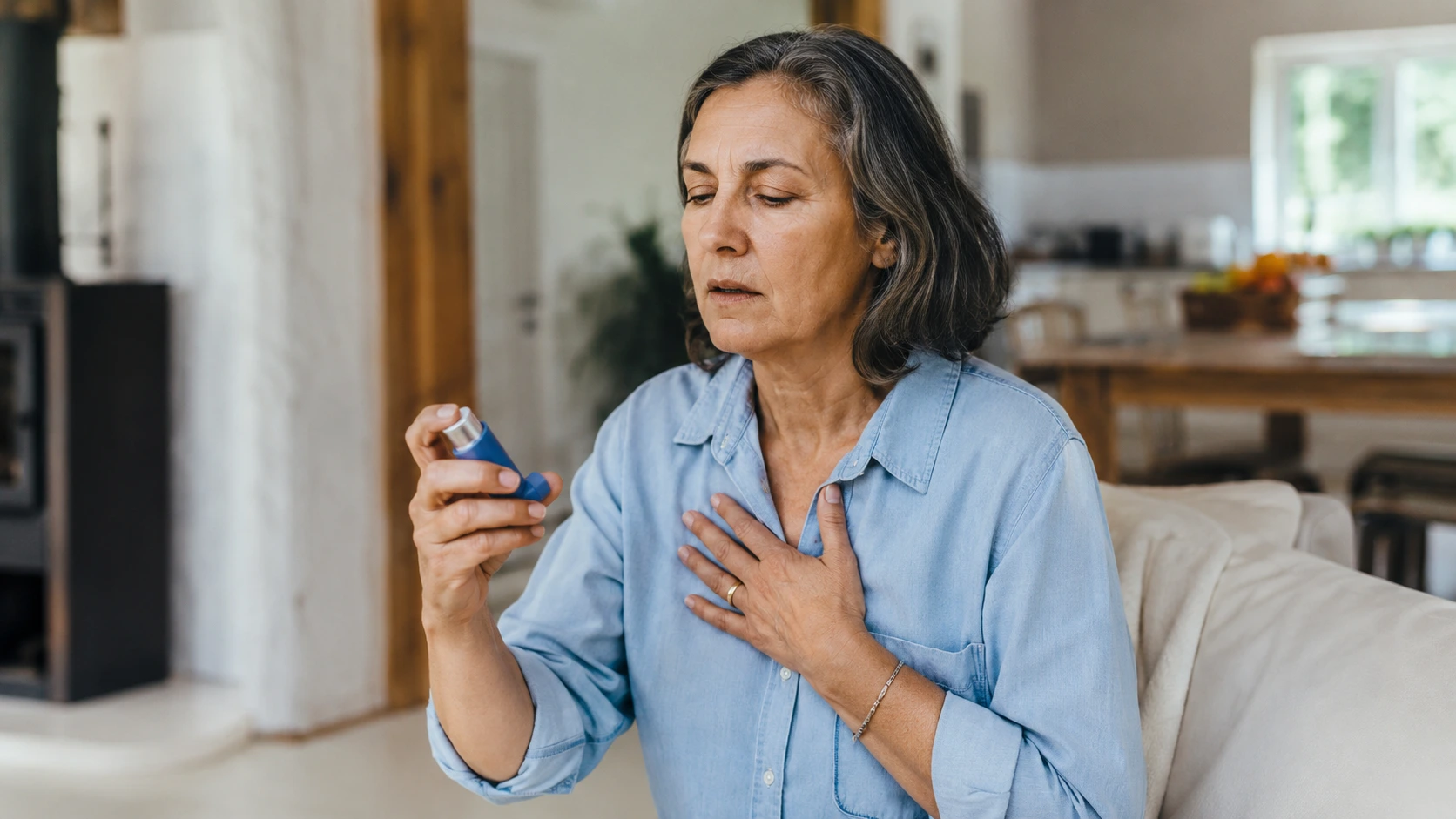
Every breath feels like you’re dragging air through a straw, and you’re exhausted from wondering if what you’re dealing with is COPD versus asthma, because honestly, the difference might just change everything about how you take care of yourself.
Living with COPD: A woman’s experience
COPD is like an unwelcome roommate that never leaves. You wake up and immediately feel that heaviness in your chest, that persistent cough that’s become so routine you barely notice it anymore until someone points it out. I remember Sarah, a woman in her early sixties, describing her mornings as a slow climb out of quicksand. She’d get out of bed, shuffle to the bathroom, and by the time she reached the kitchen, she was already winded. The shortness of breath doesn’t come and go like asthma flare-ups. It’s there, constant and demanding, making simple tasks feel monumental. Walking upstairs becomes a strategic mission. Grocery shopping requires planning. Even talking on the phone leaves you gasping. The progressive nature of COPD means it often worsens over time, and that reality sits heavy on your shoulders as you navigate each day.
- Shortness of breath lingers throughout the day
- Coughing becomes a regular part of life
- Daily activities feel like a marathon
Navigating asthma: A woman’s perspective
Asthma is the unpredictable friend who shows up without warning. You might feel fine one moment, then suddenly your chest tightens and panic sets in. Unlike COPD’s steady presence, asthma attacks can strike when you least expect them. One woman I spoke with described running with her kids in the park when suddenly her airways felt like they were closing in. That fear, that sense of losing control of your own breathing, is something asthma sufferers know intimately. Triggers vary wildly from person to person. For some, it’s pollen or pet dander. For others, it’s stress, cold air, or even exercise. The unpredictability adds a psychological layer to the physical symptoms. You’re constantly vigilant, always aware that an attack could happen. That hypervigilance can be exhausting in its own way, creating anxiety that sometimes feels as limiting as the physical symptoms themselves.
💬 Ready to feel better in 2 minutes?choose where to begin:
COPD versus asthma treatments: What works best for women
Here’s where things get really different, and understanding this distinction matters for your daily life. COPD typically requires a multi-pronged approach. You’re looking at long-acting bronchodilators that you use regularly, sometimes combined with inhaled corticosteroids. Many women find that pulmonary rehabilitation programs, which teach breathing techniques and exercise strategies, become game-changers. One woman shared how learning pursed-lip breathing completely shifted her ability to manage daily tasks. With asthma, the approach is often more about quick-relief medications for acute moments and controller medications taken daily to prevent attacks. The goal is different too. With COPD, you’re managing a chronic condition that progresses, so treatment focuses on slowing decline and maintaining function. With asthma, you’re often working toward control, where you might go days or weeks without symptoms. Lifestyle modifications matter for both, but they look different. COPD management often involves avoiding respiratory infections and air pollution. Asthma management focuses more on identifying and avoiding personal triggers while staying physically active.
Empowering women with COPD or asthma
Living with either condition is genuinely hard, and acknowledging that matters. But here’s what I’ve learned from talking with countless women managing these conditions: you have more agency than you might think. Start by becoming an expert on your own body. Track what makes your symptoms worse. Keep a simple log of when you feel breathless, what you were doing, and what helped. Share these observations with your healthcare provider because they matter. Build a support system that gets it. Whether that’s online communities, local support groups, or even just one friend who understands, having people who validate your experience is powerful. Prioritize self-care in practical ways. That might mean using an air purifier, adjusting your exercise routine, or simply giving yourself permission to rest without guilt. Connect with others facing similar struggles because isolation makes everything feel heavier. You’re not weak for struggling with this. You’re resilient for showing up every single day and managing a condition that demands constant attention and adaptation.
Exploring the stark differences between COPD and asthma, this article delves into the unique experiences that women face with these respiratory conditions. From the daily challenges to the treatment approaches, it’s crucial for women to find support and empowerment in managing COPD or asthma.
Can COPD or asthma be cured?
Currently, there is no cure for COPD or asthma. However, effective management strategies can help control symptoms and improve quality of life for individuals living with these conditions.
Are women more prone to COPD or asthma?
While COPD and asthma can affect individuals of any gender, research suggests that women may have unique risk factors and symptom presentations for these respiratory conditions.
Others also read:
Disclaimer: This article is for informational purposes only and is not a substitute for professional medical advice. Always consult a healthcare professional for personal guidance.
This article presents an experience-based perspective and has been reviewed by the GlobalHealthBeacon editorial team in 2026. It provides structured, evidence-based information to support informed health decisions.
