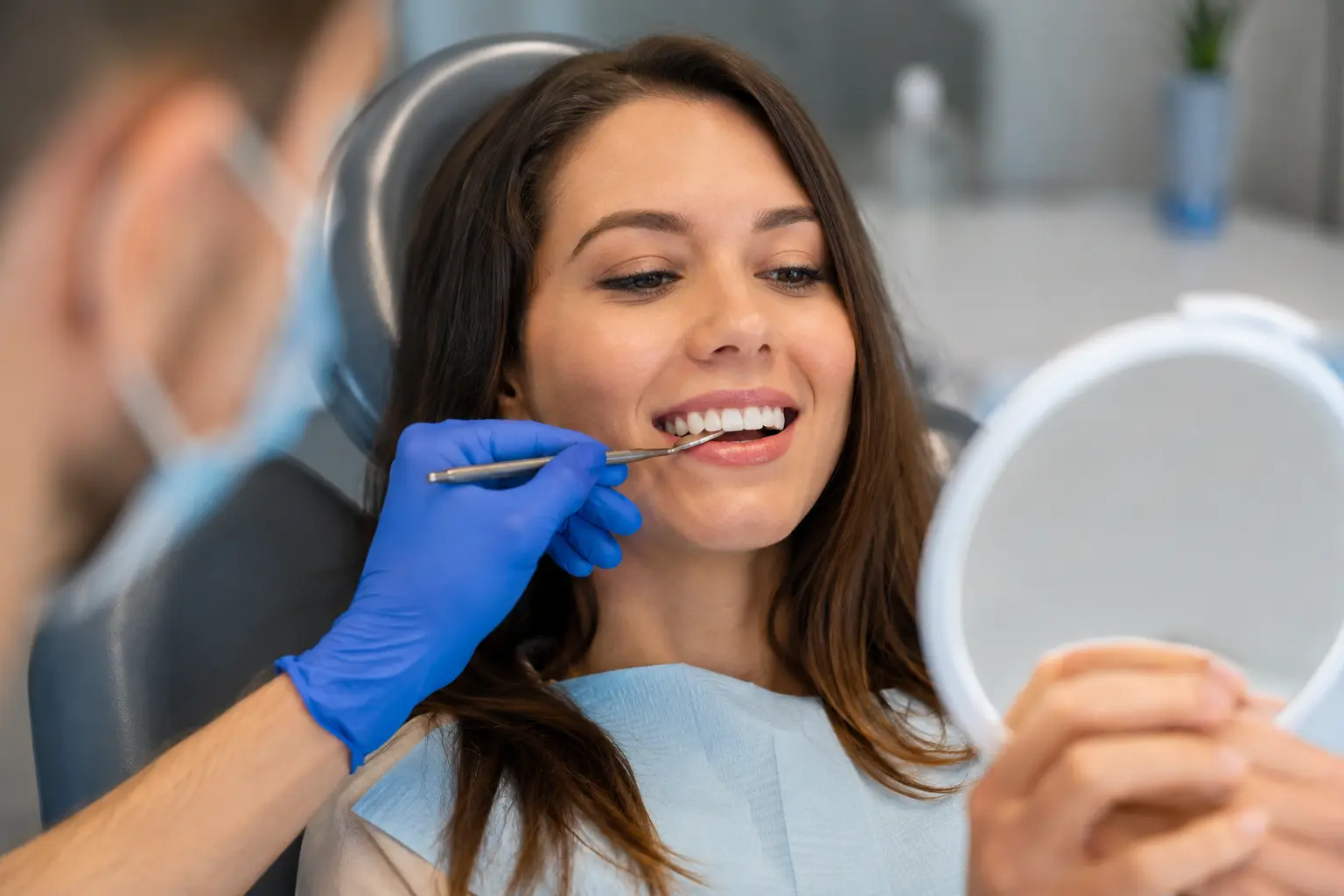
You catch your reflection and immediately notice that chipped tooth, or maybe it’s the gap between your front teeth that makes you hesitate before smiling in photos, but cosmetic dental bonding could be the straightforward fix you’ve been looking for without the commitment or cost of major dental work.
What is cosmetic dental bonding?
Cosmetic dental bonding is a straightforward cosmetic procedure where your dentist applies a tooth-colored composite resin directly to your teeth to fix visible imperfections. Think of it like sculpting your smile. The resin bonds to your existing tooth structure, filling in chips, closing small gaps, covering discoloration, or reshaping teeth that look slightly uneven. Unlike veneers or crowns that require significant tooth preparation, bonding works with what you already have. Your dentist carefully selects a resin shade that matches your natural teeth, applies it layer by layer, shapes it to blend seamlessly with your smile, and hardens it with a special blue light. The entire process is non-invasive, requires no anesthesia in most cases, and you walk out the same day with noticeable results. It’s become increasingly popular among young adults because it delivers visible improvement without the intimidation factor of more complex dental procedures.
- Quick and painless procedure, typically completed in one visit
- Affordable compared to veneers, crowns, or orthodontics
- Reversible and requires minimal tooth structure removal
Who is a candidate for dental bonding?
You’re an ideal candidate for dental bonding if you’re a young adult dealing with minor cosmetic dental issues but aren’t ready for extensive treatment. This procedure works best for people with small chips from that accidental fall or sports injury, slight gaps between front teeth that bother you, surface stains that whitening alone won’t fix, or teeth that are slightly misshapen. If your tooth structure is fundamentally sound but the appearance needs tweaking, bonding is your answer. However, bonding isn’t ideal if you have large cavities requiring structural repair, severe crowding that needs orthodontics, or significant bite problems. Your dentist will evaluate your specific situation during a consultation. Consider bonding if you want immediate results without commitment, prefer a budget-friendly option, or need a temporary solution while considering other treatments. It’s also perfect if you’re anxious about dental work because the procedure feels gentle and straightforward compared to alternatives.
📘 Fix your day in under 2 minuteschoose where to begin:
The procedure step-by-step
Understanding what happens during your bonding appointment removes anxiety and helps you know exactly what to expect. First, your dentist examines your teeth and discusses the desired outcome, showing you shade options so the bonding matches perfectly. Next, they lightly roughen the tooth surface and apply a conditioning liquid that helps the resin stick properly, similar to priming before painting. Then comes the application: your dentist carefully molds the tooth-colored resin onto your tooth, building it up in thin layers to achieve the exact shape and contour you want. This is where the artistry happens. They sculpt, shape, and refine until it looks natural and aligns with your bite. Once the shape is perfect, they use a special ultraviolet light to harden the resin in seconds. After hardening, they polish and buff the bonded area until it shines and blends seamlessly with your natural tooth. The entire process typically takes 30 to 60 minutes per tooth, depending on complexity. You might feel slight pressure or vibration, but no pain. You can eat and drink normally immediately afterward.
Aftercare tips for dental bonding
Keeping your bonded teeth in top condition requires simple daily habits and awareness of what can damage the resin. Brush twice daily with a soft-bristled toothbrush and non-abrasive toothpaste, floss daily to prevent decay around the bonded area, and rinse with mouthwash to maintain oral health. Avoid habits that stress the bonding: don’t bite your nails, chew ice, use your teeth to open packages, or chew on pens and pencils. These actions can chip or crack the resin. Be mindful of foods and drinks that stain, like red wine, coffee, and dark berries, since bonded resin can discolor over time. Wear a mouthguard if you play contact sports to protect your teeth from impact. If you grind your teeth at night, ask your dentist about a night guard. Schedule regular dental check-ups every six months so your dentist can monitor the bonding and catch any wear early. With these habits, your bonding will maintain its appearance and durability for years.
Benefits and limitations of dental bonding
Dental bonding offers genuine advantages that make it attractive for young adults seeking smile improvements. The benefits are clear: it’s affordable, often costing significantly less than veneers or crowns; it’s quick, delivering results in one appointment; it’s minimally invasive, preserving most of your natural tooth; and it’s reversible, meaning you can change your mind later. You get immediate confidence and a noticeably better smile without major commitment. However, bonding does have real limitations you should understand. The resin isn’t as durable as porcelain or natural tooth enamel, so it can chip, crack, or wear over time, especially if you have habits like nail-biting or ice-chewing. Bonding can also stain more easily than your natural teeth, requiring touch-ups every few years to maintain appearance. If you have extensive damage or need a permanent solution, veneers or crowns might be better long-term choices. Think of bonding as an excellent intermediate option: it solves your current concern affordably and quickly, but plan for maintenance and potential replacement down the road.
Cosmetic dental bonding is a non-invasive, affordable solution for minor tooth imperfections that delivers results in a single appointment. It’s ideal for young adults wanting quick smile improvement without extensive dental work, though it requires ongoing care and may need touch-ups over time to maintain its appearance and durability.
Is dental bonding painful?
No, dental bonding is typically painless. Your dentist doesn’t need to use anesthesia because the procedure doesn’t involve drilling or removing significant tooth structure. You might feel slight pressure or vibration from the tools, but there’s no sharp pain. Some patients experience mild sensitivity to the polishing tools, but this is temporary and manageable. There’s also no post-operative pain or soreness afterward, so you can return to normal activities immediately.
How long does dental bonding last?
With proper care and good oral habits, dental bonding typically lasts 5 to 10 years before needing touch-ups or replacement. The exact lifespan depends on your lifestyle, diet, and how well you care for your teeth. If you avoid staining foods and drinks, don’t bite your nails or chew on hard objects, and maintain excellent oral hygiene, your bonding will last toward the longer end of that range. Some people need touch-ups after 3 to 5 years if they have habits that stress the resin. Regular dental check-ups help your dentist monitor the bonding and address any wear before it becomes noticeable.
Disclaimer: This article is for informational purposes only and is not a substitute for professional medical advice. Always consult a healthcare professional for personal guidance.
This guide has been prepared and reviewed by the GlobalHealthBeacon editorial team and reflects current medical research as of 2026. It provides structured, evidence-based information to support informed health decisions.
