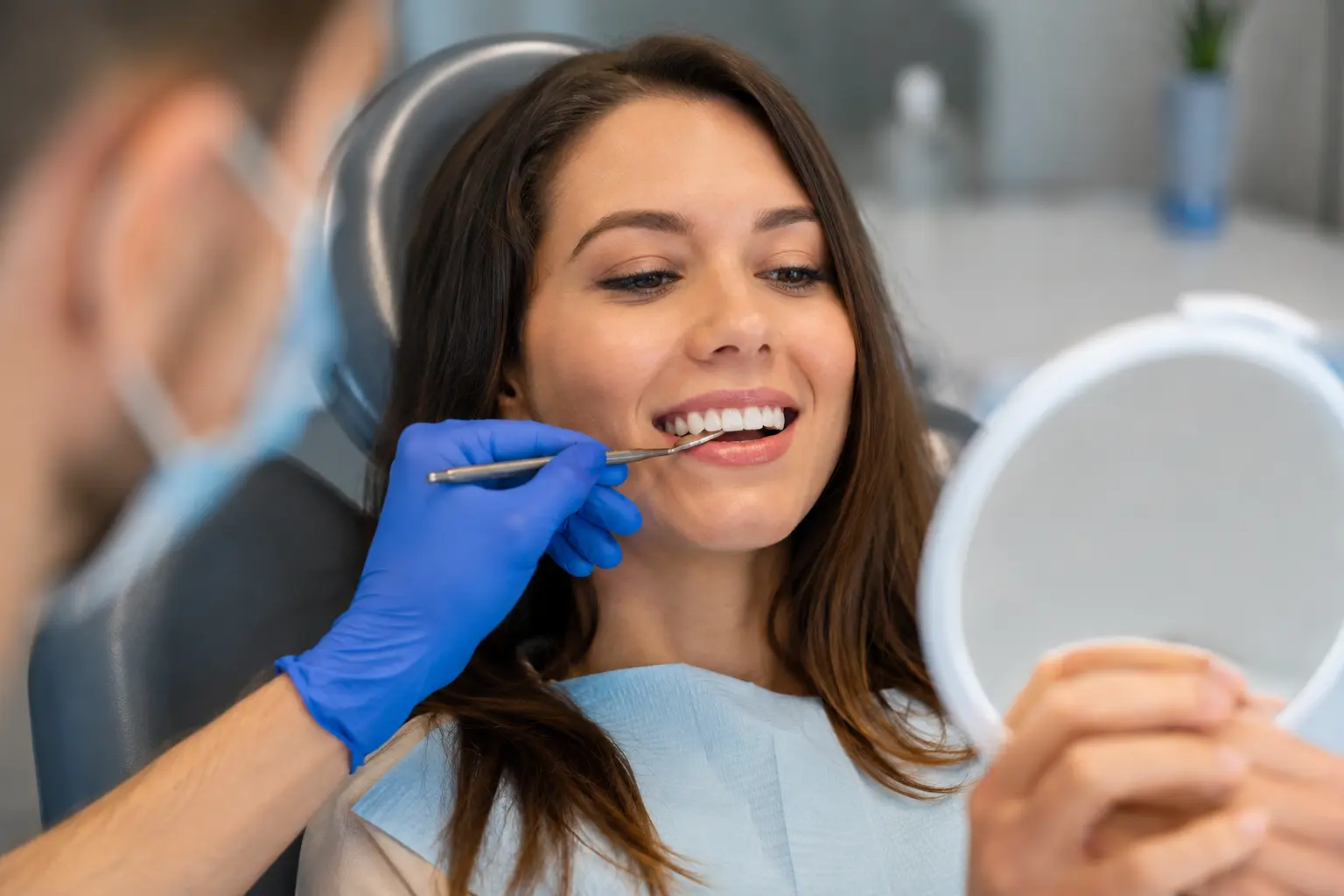
You catch your reflection and wince at that chipped tooth, the discoloration spreading across your front teeth, or the gap that’s gotten wider with age, and you think cosmetic dental bonding might be your answer, but you’re not sure if it’s actually worth it or if there’s real science backing it up.
Understanding cosmetic dental bonding
Cosmetic dental bonding is a straightforward restorative procedure where a tooth-colored composite resin material is carefully applied to the tooth surface and then hardened using a specialized ultraviolet light. Think of it as sculpting with a material that bonds directly to your existing tooth structure. The procedure works by creating a strong adhesive connection between the resin and your natural tooth, essentially becoming part of the tooth itself. This versatile treatment can address multiple dental concerns that many seniors face: repairing chipped or cracked teeth from years of wear, covering discolored areas that resist whitening, closing small gaps between teeth, and even reshaping teeth that have become worn down or uneven. Unlike more invasive procedures, bonding preserves more of your natural tooth structure, making it an appealing option for those concerned about maintaining their original teeth while improving their appearance.
Benefits of cosmetic dental bonding for seniors
For seniors navigating dental health decisions, cosmetic dental bonding presents several meaningful advantages. The procedure is minimally invasive, often requiring no anesthesia or tooth preparation beyond a light surface roughening, which means less discomfort and faster recovery compared to crowns or veneers. Cost-effectiveness matters when you’re managing healthcare expenses on a fixed income, and bonding typically costs significantly less than alternative restorations. Beyond the financial aspect, bonding restores both form and function to damaged teeth, allowing you to chew more effectively and speak without self-consciousness. Many seniors report that addressing visible dental flaws through bonding creates a noticeable boost in confidence and social comfort, whether that’s smiling freely in family photos, engaging more openly in conversations, or simply feeling less anxious about their appearance. The psychological benefit of feeling good about your smile often extends to overall quality of life and emotional well-being.
How cosmetic dental bonding works
The bonding process unfolds in several distinct stages, each carefully executed to ensure a natural-looking and durable result. First, your dentist prepares the tooth by gently roughening the surface with a specialized tool, creating microscopic texture that helps the bonding material grip securely. A conditioning liquid is then applied to further enhance adhesion, similar to how primer helps paint stick to a wall. Next comes the application phase, where your dentist selects a resin shade that matches your natural tooth color as closely as possible, then carefully applies and molds the material to achieve the desired shape and contour. This requires skill and artistry to blend seamlessly with your existing tooth structure. Once the resin is shaped correctly, a special ultraviolet light is directed at the tooth, triggering a chemical reaction that hardens the material in seconds, creating a strong bond with your tooth. Finally, your dentist polishes and refines the bonded area, smoothing any rough edges and matching the shine of your natural tooth so the restoration is virtually indistinguishable from the surrounding enamel.
- Preparation of the tooth surface
- Application and molding of the resin material
- Hardening and bonding the material with a special light
- Finishing touches for a natural look
🔬 Science-backed benefits in 2 minuteschoose where to begin:
Maintaining your bonded smile
Protecting your bonded restorations requires consistent but straightforward care habits. Regular brushing twice daily with a soft-bristled toothbrush and fluoride toothpaste keeps the bonded area clean and helps prevent decay at the margins where the resin meets your natural tooth. Flossing daily is equally important, as it removes food particles and plaque from between teeth and along the gum line. Schedule dental check-ups every six months so your dentist can monitor the bonding material for any signs of wear, staining, or chipping. Certain lifestyle habits can significantly extend the lifespan of your bonding: avoid chewing on hard objects like ice, hard candy, or pen caps, and resist using your teeth as tools to open packages or crack nuts. Be mindful of foods and beverages that stain, such as red wine, coffee, and dark berries, as bonded resin can absorb stains more readily than natural enamel. If you grind your teeth at night, ask your dentist about a protective night guard, as grinding can stress and damage bonded restorations over time.
Potential risks and considerations
While cosmetic dental bonding is generally safe and effective, it’s important to understand its limitations compared to other restorative options. Bonded resin is less durable than dental crowns or porcelain veneers, meaning it may chip, crack, or wear down more quickly, particularly if you have habits like grinding your teeth or biting hard objects. The material can also stain over time, especially if you consume staining foods and beverages regularly or smoke, requiring periodic touch-ups to maintain appearance. Bonding typically lasts between three to ten years depending on the location of the restoration, your oral hygiene practices, and your lifestyle habits, whereas crowns and veneers often last fifteen years or longer. Additionally, if decay develops beneath the bonding material, the entire restoration may need to be replaced rather than simply repaired. Before proceeding with bonding, have a thorough discussion with your dentist about your specific dental situation, the expected longevity of the restoration, maintenance requirements, and whether alternative treatments might better suit your needs and long-term goals.
Research insights on dental bonding
Scientific literature supports the effectiveness of cosmetic dental bonding for improving both dental function and appearance in patients of all ages, including seniors. Research demonstrates that bonding successfully restores the structural integrity of damaged teeth while maintaining natural tooth appearance, with high patient satisfaction rates reported across multiple studies. Beyond the clinical outcomes, research indicates that seniors who undergo cosmetic dental procedures, including bonding, experience measurable improvements in self-esteem, social confidence, and overall quality of life. Studies show that addressing visible dental imperfections can reduce social anxiety and increase willingness to engage in social activities, suggesting that the benefits extend well beyond mere aesthetics. The procedure’s minimally invasive nature and lower cost compared to alternatives make it an evidence-supported option for seniors seeking to improve their smiles. However, research also emphasizes the importance of realistic expectations regarding durability and the need for ongoing maintenance. Your dentist can discuss the specific research findings relevant to your individual situation and help you weigh bonding against other treatment options based on your oral health status and personal goals.
Cosmetic dental bonding offers seniors a minimally invasive and cost-effective pathway to enhance their smiles and address common dental concerns. By understanding how the procedure works, recognizing its benefits for your specific situation, learning proper maintenance techniques, and acknowledging potential limitations, you can make an informed decision that aligns with your dental health goals and lifestyle. The research supports bonding as an effective option for many seniors, though individual results vary based on oral health practices and personal habits. Consulting with your dentist about whether bonding suits your needs is the essential first step toward achieving a smile that feels confident and authentic.
Is cosmetic dental bonding suitable for all seniors?
Cosmetic dental bonding is a versatile option that can benefit many seniors with minor dental imperfections, chipped teeth, discoloration, or small gaps. However, suitability depends on individual factors including the extent of tooth damage, overall oral health, bone density, and existing dental work. Seniors with severe decay, significant tooth loss, or certain gum conditions may benefit more from alternative treatments like crowns or implants. A thorough dental examination and consultation with your dentist is essential to determine if bonding is the most appropriate treatment for your specific needs and dental anatomy.
How long does cosmetic dental bonding last for seniors?
The lifespan of cosmetic dental bonding typically ranges from three to ten years, though this varies considerably based on multiple factors. Your oral hygiene practices, including regular brushing and flossing, directly impact longevity. Diet and habits matter too: avoiding hard foods, not grinding your teeth, and minimizing staining beverages like coffee and red wine can extend the life of your bonding. The location of the bonded tooth also influences durability, as front teeth experience less chewing force than molars. With excellent care and maintenance, many seniors find their bonded restorations remain functional and attractive for a decade or longer before requiring touch-ups or replacement.
Others also read:
Disclaimer: This article is for informational purposes only and is not a substitute for professional medical advice. Always consult a healthcare professional for personal guidance.
This article has been prepared and reviewed by the GlobalHealthBeacon editorial team and is based on current medical research and published scientific literature available in 2026. It provides structured, evidence-based information to support informed health decisions.
