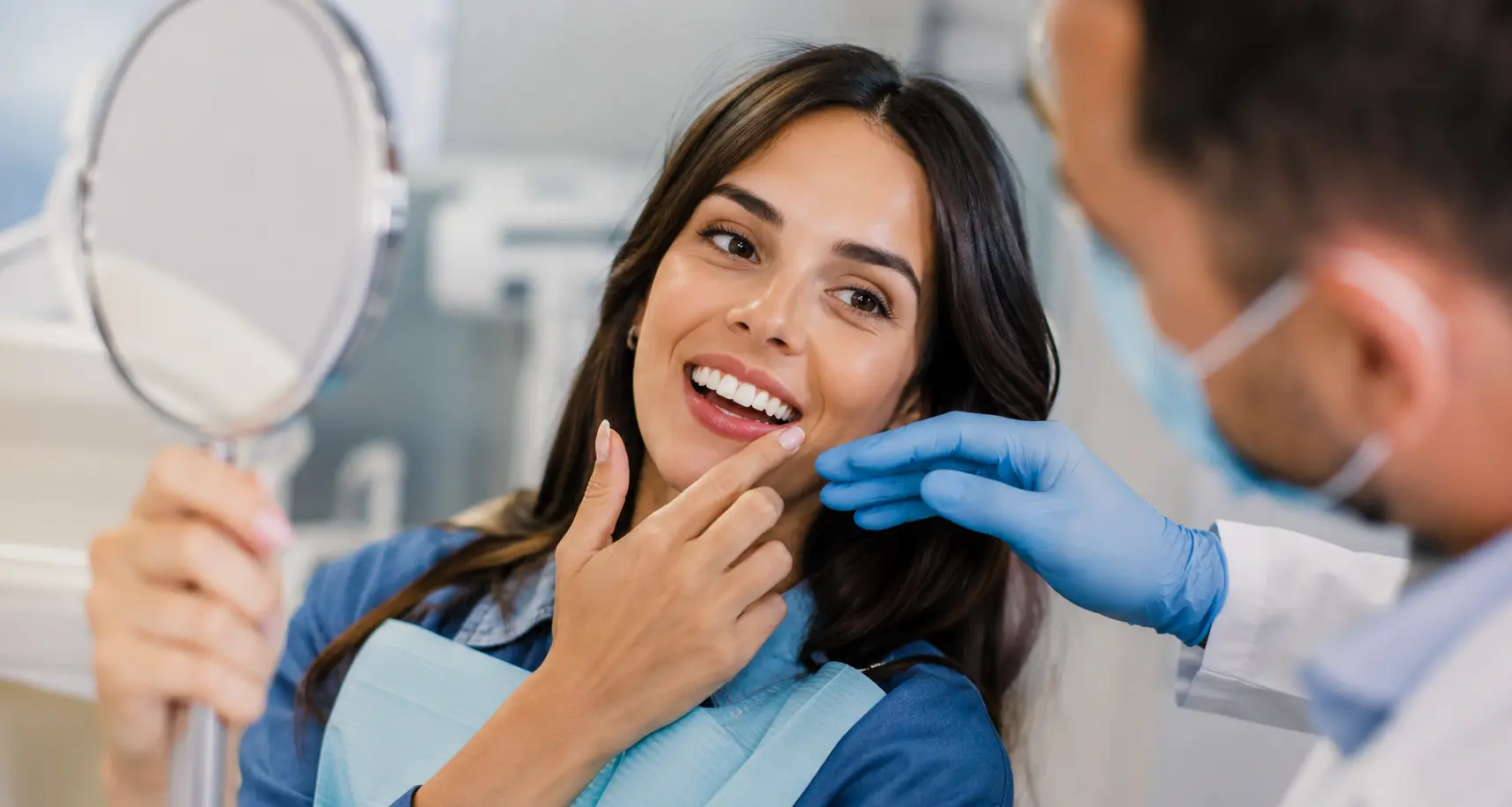
Tired of hiding your smile in photos or feeling self-conscious when you laugh? Modern cosmetic dentistry trends have completely transformed what’s possible, and you don’t have to settle for a smile that makes you feel less than your best.
Understanding modern smile makeovers
Cosmetic dentistry has come a long way in recent years, offering seniors practical solutions that go beyond basic dental care. Think of a smile makeover as a personalized roadmap to address the specific concerns that have bothered you for years. Maybe you’ve lived with stained teeth from decades of coffee and tea, or perhaps gaps and misalignments have shifted over time. A qualified cosmetic dentist evaluates your entire smile, not just individual teeth. They consider your face shape, skin tone, and natural features to recommend treatments that look authentically like you, just improved. The goal isn’t to create a fake-looking Hollywood smile but to enhance what you already have. Whether you’re dealing with worn-down teeth, discoloration, or spacing issues, modern techniques like dental bonding, implants, and clear aligners offer flexible options. The key is understanding that you have choices and that a dentist experienced with mature patients knows how to work with your specific needs, including any existing dental work or health considerations.
- Consult with a qualified cosmetic dentist to assess your specific needs
- Explore options such as dental bonding, dental implants, or clear aligners for teeth straightening
- Discuss the benefits and potential risks associated with each treatment before making a decision
Exploring teeth whitening techniques
Teeth whitening is often the first step seniors consider because it’s non-invasive and delivers visible results quickly. Over the years, your teeth naturally accumulate stains from food, drinks, and time itself, which can make you look older than you feel. Professional in-office whitening treatments work faster than over-the-counter options because dentists use stronger, professionally-formulated bleaching agents applied under controlled conditions. A typical session takes about an hour, and you’ll see results immediately. At-home whitening kits prescribed by your dentist offer a gentler alternative if you prefer gradual improvement over a few weeks. These custom trays fit your teeth precisely, reducing irritation compared to generic strip-based kits. Many seniors find that whitening alone gives them the confidence boost they need without pursuing more extensive procedures. However, if you have sensitive teeth, your dentist can recommend desensitizing treatments beforehand or use lower-concentration formulas. The results typically last six months to two years depending on your habits, so avoiding dark beverages and tobacco helps maintain your brighter smile long-term.
📘 Fix your day in under 2 minuteschoose where to begin:
Enhancing your smile with porcelain veneers
Porcelain veneers are thin, custom-made shells that bond to the front of your teeth, essentially giving you a completely new smile surface. Imagine being able to correct years of wear, discoloration, and minor misalignment in just a few visits. Unlike whitening, which only addresses color, veneers can reshape teeth that have worn down or become uneven. They’re particularly effective for seniors because they cover imperfections without requiring the extensive tooth removal that older cosmetic procedures demanded. The process involves a consultation where your dentist discusses your goals, then takes impressions and color samples. A lab crafts your custom veneers to match your desired shade and shape. Once ready, your dentist removes a thin layer of enamel from each tooth and bonds the veneer in place. The result is a natural-looking, durable smile that can last 10 to 15 years with proper care. Some seniors worry about veneers feeling bulky, but modern designs are remarkably thin and comfortable. They do require commitment to good oral hygiene, but many find the transformation worth the investment in their appearance and confidence.
Considering dental implants for missing teeth
Missing teeth affect more than just your appearance; they can change how you eat, speak, and feel about yourself. Dental implants are a permanent solution that replaces both the visible tooth and the root structure beneath the gum. Unlike dentures, which sit on top of your gums and require daily removal and cleaning, implants are anchored directly into your jawbone, functioning like natural teeth. The process takes several months because your jawbone needs time to integrate with the titanium implant post, but once complete, you have a tooth that looks, feels, and functions like the real thing. Many seniors appreciate that implants don’t require special cleaning routines beyond regular brushing and flossing. They also preserve your jawbone, which naturally shrinks when teeth are missing. This preservation helps maintain your facial structure and prevents the sunken appearance that often comes with tooth loss. Your dentist will assess your bone density and overall health to determine if you’re a good candidate. While implants are more expensive upfront than other options, they’re often the most cost-effective long-term solution because they can last a lifetime with proper care.
Explaining clear aligners for teeth straightening
You might think straightening teeth is only for younger people, but clear aligners have made orthodontic treatment accessible and discreet for seniors. These custom-made plastic trays gradually shift your teeth into alignment over months, and because they’re nearly invisible, nobody needs to know you’re undergoing treatment. Unlike traditional braces with visible wires and brackets, aligners are removable, so you can eat normally and maintain your regular oral hygiene routine. The treatment process begins with digital imaging of your teeth, which creates a precise plan showing exactly how your teeth will move. You receive a series of trays, typically changing to a new one every two weeks. Most people wear them for 20 to 22 hours daily, removing them only for eating and cleaning. Seniors often appreciate that aligners are more comfortable than braces, with no sharp edges or wires causing irritation. The timeline varies depending on how much correction is needed, but many people see results within 6 to 18 months. Clear aligners work well for mild to moderate misalignment and can be combined with other cosmetic treatments like whitening or veneers for a comprehensive smile transformation.
Modern cosmetic dentistry offers seniors multiple pathways to the smile they’ve always wanted, from simple whitening to comprehensive smile makeovers involving veneers, implants, or aligners. Your next step is scheduling a consultation with a cosmetic dentist experienced in treating mature patients. Bring photos of smiles you admire and be honest about your concerns and goals. A skilled dentist will explain realistic outcomes, discuss your budget and timeline, and create a personalized plan that fits your needs.
Are smile makeovers suitable for seniors with sensitive teeth?
Yes, cosmetic dentists can tailor treatments to accommodate sensitive teeth during smile makeovers. They may recommend gentle whitening techniques or alternative procedures to minimize discomfort.
How long do the results of cosmetic dentistry procedures typically last?
The longevity of cosmetic dentistry results varies depending on the treatment and individual factors. With proper care and regular dental visits, these procedures can provide long-lasting benefits for seniors.
Others also read:
Disclaimer: This article is for informational purposes only and is not a substitute for professional medical advice. Always consult a healthcare professional for personal guidance.
This guide has been prepared and reviewed by the GlobalHealthBeacon editorial team and reflects current medical research as of 2026. It provides structured, evidence-based information to support informed health decisions.
