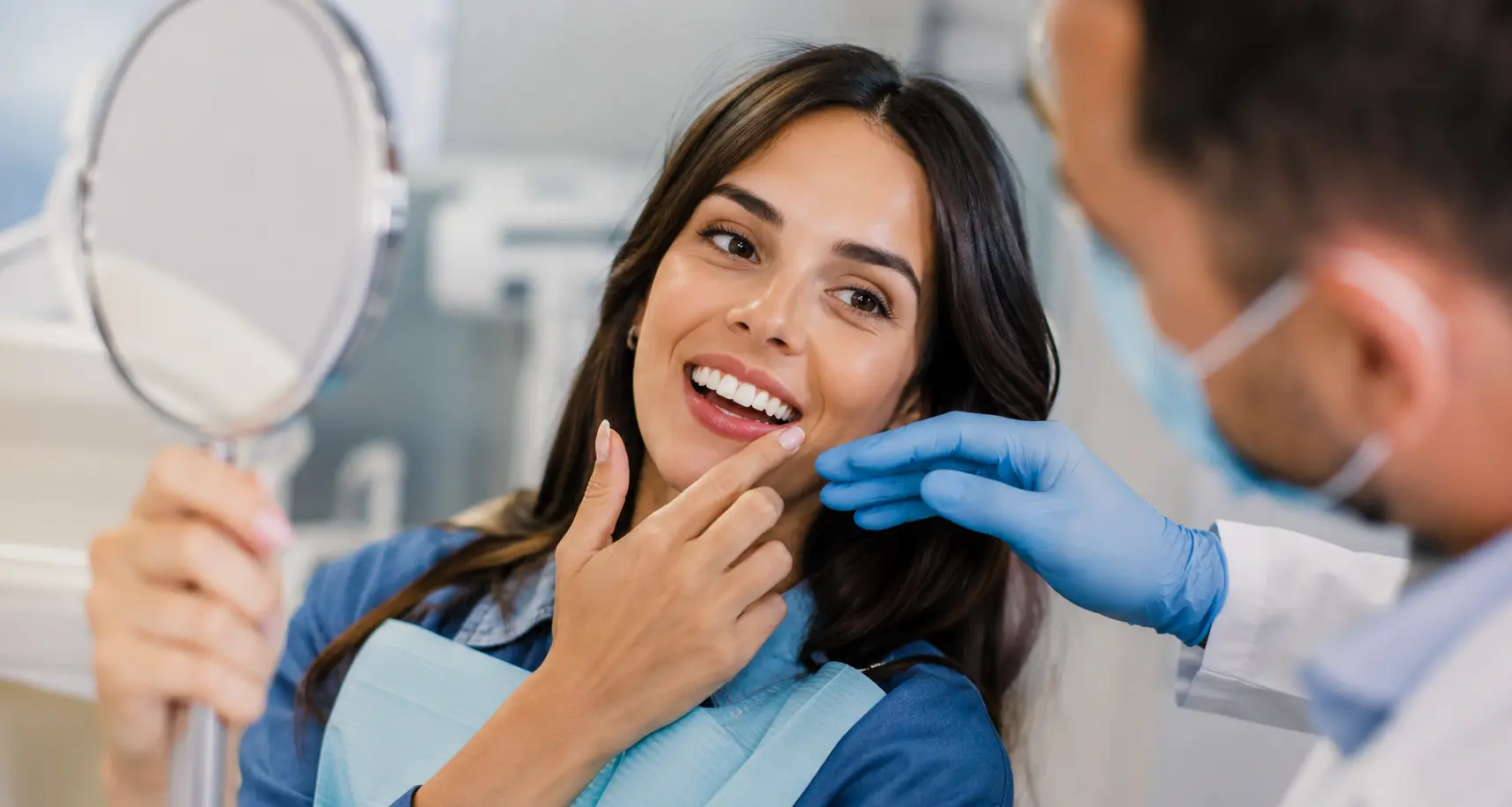
You’re tired of hiding your smile in photos, frustrated by crooked teeth or stubborn stains that won’t budge no matter how hard you brush, and honestly wondering if cosmetic dentistry trends actually deliver real results or if they’re just hype for your Instagram feed.
The rise of clear aligners
Clear aligners have genuinely transformed how young adults approach straightening their teeth. Unlike the metal braces your parents might have worn, these custom-made plastic trays work quietly in the background. Imagine this: you get a 3D scan of your teeth, and a lab creates a series of aligners tailored specifically to your mouth. Each tray applies gentle, consistent pressure to shift your teeth incrementally. You wear each set for about two weeks before moving to the next one. The process typically takes 6 to 18 months depending on complexity. What makes this approach appealing is the discretion factor. You can remove them to eat, brush, or for important events. Real-world scenario: a college student can straighten their teeth without the self-consciousness of visible brackets. Research shows that when patients follow wear instructions closely, results are comparable to traditional braces for mild to moderate cases.
Whitening: bright smiles made easy
Teeth whitening has become one of the most accessible cosmetic dentistry procedures available today. The science is straightforward: whitening agents contain peroxide compounds that penetrate tooth enamel and break down stain molecules. Professional in-office treatments use higher concentrations of these agents, delivering faster results in a single session. At-home kits offer a gentler alternative that works over weeks. Consider this scenario: someone notices their teeth have yellowed from years of coffee and red wine consumption. They visit a dentist, get a professional whitening treatment, and walk out with teeth several shades lighter. The results can last months to years depending on lifestyle habits. Common mistakes include overusing whitening strips or using unregulated products that can damage enamel. The key is understanding that whitening works best on natural tooth structure, not on crowns or fillings, which don’t respond to bleaching agents.
Key steps in achieving a brighter smile
Starting your smile transformation requires a thoughtful approach rather than jumping straight into treatments. First, schedule a consultation with a dentist who can assess your current oral health, identify any underlying issues like cavities or gum disease, and discuss realistic expectations. This conversation matters because whitening won’t fix structural problems, and aligners need a healthy foundation to work properly. Second, evaluate your lifestyle and commitment level. Clear aligners require discipline to wear 20 to 22 hours daily. Whitening demands maintenance, especially if you drink staining beverages. Third, choose a treatment timeline that fits your life. Some people prefer quick professional whitening before an event, while others commit to aligners over months for comprehensive results. Fourth, follow post-treatment care religiously. This means wearing retainers after aligners, using sensitivity toothpaste if needed, and adjusting habits that caused staining in the first place. Finally, maintain regular dental checkups to monitor progress and catch any issues early.
- Consult a dentist for a thorough evaluation of your oral health, any underlying issues, and realistic expectations for your chosen treatment.
- Assess your lifestyle and commitment level to determine which treatment fits your daily routine and long-term goals.
- Choose a treatment timeline that aligns with your schedule and desired results, whether quick or gradual.
- Follow post-treatment care instructions carefully, including retainer wear, sensitivity management, and habit changes.
- Maintain regular dental checkups to monitor progress and address any complications early.
🔬 Science-backed benefits in 2 minuteschoose where to begin:
Understanding the science behind clear aligners
The mechanics of clear aligners rely on a principle called controlled tooth movement. Your teeth are held in place by periodontal ligaments, which are surprisingly flexible. When consistent, gentle pressure is applied, these ligaments remodel, allowing teeth to shift gradually. Each aligner is engineered to move teeth a fraction of a millimeter at a time. This incremental approach is crucial because it minimizes discomfort and reduces the risk of root damage compared to aggressive force. Digital technology plays a massive role here. 3D imaging scans your teeth, and software maps out the exact path each tooth will take. The lab then manufactures a series of aligners representing each stage of movement. You progress through them sequentially. Research shows that compliance is the biggest factor in success. Patients who wear aligners consistently achieve their goals, while those who skip days or remove them frequently experience slower progress or incomplete results. Regular checkups ensure the treatment is tracking correctly and adjustments can be made if needed.
Benefits of cosmetic dentistry innovations
The real value of modern cosmetic dentistry extends beyond aesthetics. When teeth are properly aligned, they’re easier to clean, reducing the risk of cavities and gum disease. Straighter teeth distribute bite force more evenly, which can reduce jaw strain and headaches some people experience. Whitening boosts confidence in ways that might seem superficial but genuinely impact quality of life. Studies show that people who feel good about their smiles smile more often, which has documented psychological and social benefits. Young adults particularly benefit from these innovations because they’re at a life stage where appearance affects dating, job interviews, and social confidence. The discretion of clear aligners means you can pursue orthodontic treatment without the social awkwardness that might have deterred previous generations. Whitening is affordable and accessible compared to decades past. These treatments also normalize the idea that taking care of your appearance is a form of self-care, not vanity. When you invest in your smile, you’re investing in your overall well-being and how you present yourself to the world.
The future of cosmetic dentistry
The cosmetic dentistry field is evolving rapidly with emerging technologies on the horizon. Researchers are developing faster-acting whitening agents that deliver results in minutes rather than hours. Aligner technology is becoming more precise, with AI-assisted treatment planning that predicts outcomes with greater accuracy. Some labs are experimenting with biodegradable aligner materials to address environmental concerns. Accelerated orthodontic techniques using low-level laser therapy or vibration devices are being studied to potentially shorten treatment timelines. Personalized medicine is entering dentistry too, with genetic testing helping predict how your teeth will respond to treatments. Tele-dentistry is making consultations more accessible for people in remote areas. The integration of cosmetic and restorative dentistry is improving, meaning treatments address both appearance and function simultaneously. What’s clear is that the next decade will offer even more options, faster results, and greater accessibility. For young adults today, this means the barriers to achieving your ideal smile are lower than ever, and the science backing these treatments continues to strengthen.
Clear aligners and whitening treatments are transforming cosmetic dentistry by offering discreet orthodontic solutions and effective stain removal. These innovations combine advanced technology with accessibility, allowing young adults to achieve straighter, brighter smiles while maintaining confidence throughout treatment.
Are clear aligners suitable for everyone?
Clear aligners work well for mild to moderate orthodontic issues like spacing, crowding, and bite problems. Severe cases, complex rotations, or significant bite corrections may still require traditional braces for optimal results. A dentist can evaluate your specific situation and recommend the best approach. Factors like bone density, gum health, and commitment to wearing aligners also influence suitability.
Can teeth whitening cause sensitivity?
Teeth whitening can temporarily increase sensitivity because the bleaching process opens pores in your enamel. This side effect is usually mild and subsides within days to weeks after treatment ends. Using a sensitivity toothpaste before and after whitening, avoiding acidic foods temporarily, and consulting your dentist about lower-concentration treatments can help manage discomfort. Professional treatments often include sensitivity-reducing agents that at-home kits may lack.
Others also read:
Disclaimer: This article is for informational purposes only and is not a substitute for professional medical advice. Always consult a healthcare professional for personal guidance.
This article has been prepared and reviewed by the GlobalHealthBeacon editorial team and is based on current medical research and published scientific literature available in 2026. It provides structured, evidence-based information to support informed health decisions.
