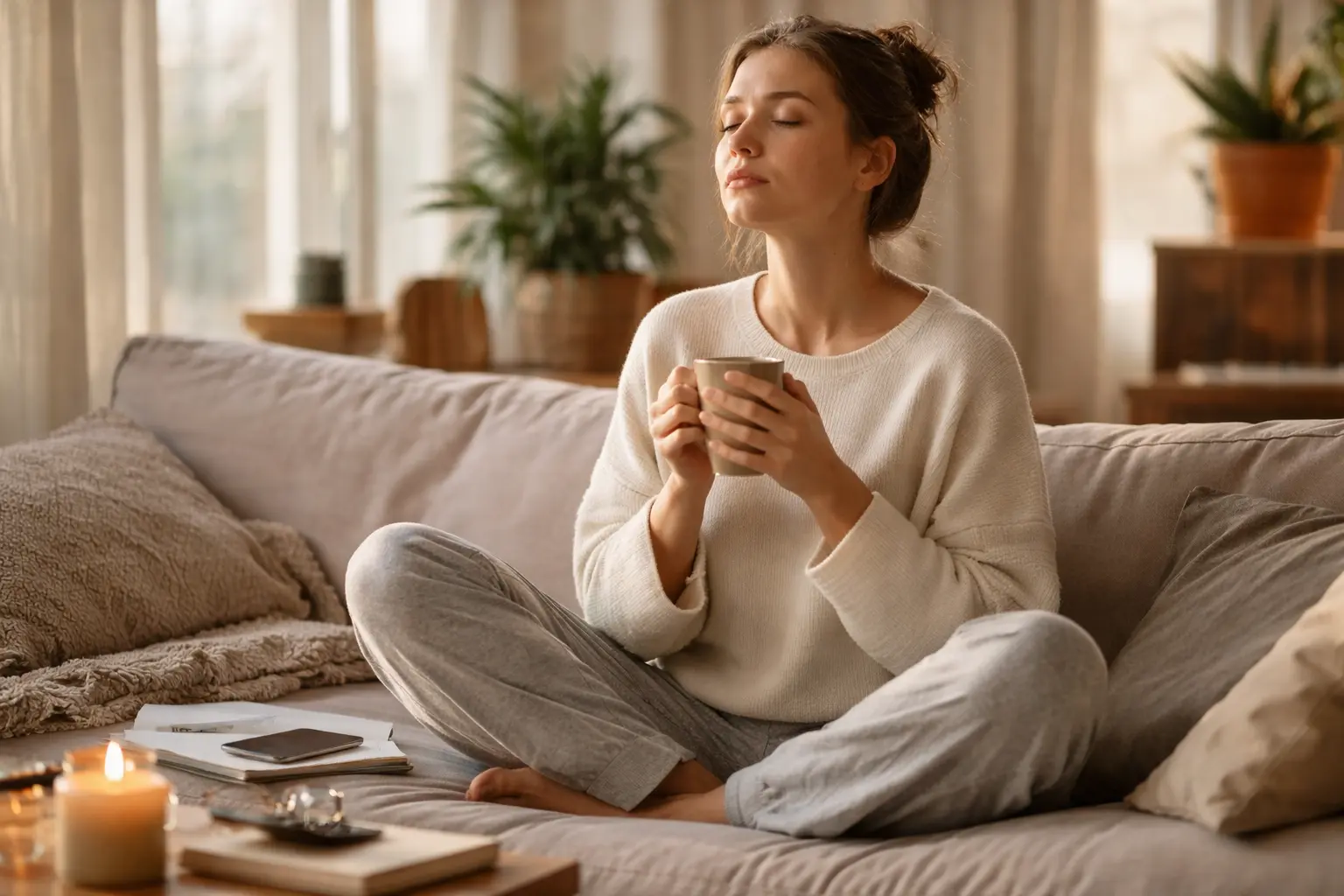
Your shoulders are tight, your mind won’t stop racing, and you feel like you’re drowning in a sea of tasks that never end, so let’s cut through the noise and show you actual daily stress reduction strategies that fit into real life, not some fantasy version of it.
Mindfulness practices
Mindfulness isn’t about achieving some zen-like perfection or sitting in silence for hours. It’s about training your brain to notice what’s happening right now instead of spiraling into worry about tomorrow or regret about yesterday. When you practice mindfulness, you’re essentially building a mental muscle that helps you step back from stress rather than getting swept away by it. Start with something simple like a five-minute breathing exercise when you wake up. Sit quietly, breathe in slowly through your nose for a count of four, hold it for four, then exhale for four. Your mind will wander, and that’s completely normal. Just gently bring your attention back to your breath each time. Many women find that even this small practice creates a noticeable shift in how they handle the rest of their day. Yoga offers another powerful entry point, especially styles like restorative or yin yoga that emphasize relaxation over performance. You don’t need to be flexible or fit. The goal is moving your body in ways that feel good while staying present with your breath and sensations.
- Practice deep breathing exercises for a few minutes each day
- Set aside time for daily meditation to clear your mind
- Incorporate gentle yoga routines into your daily schedule
Physical activity
Exercise is one of the most reliable stress fighters available, yet many women skip it thinking they need an hour at the gym or a structured program. The truth is simpler: your body needs movement, and almost any form counts. A 20-minute walk around your neighborhood, dancing to your favorite playlist while cooking dinner, or a quick cycling session all trigger the release of endorphins, those natural chemicals that improve mood and reduce cortisol, your body’s main stress hormone. The key is consistency, not intensity. A woman who walks 30 minutes most days will see more stress relief than someone who does occasional intense workouts. Think of it as a conversation with your body rather than a punishment. If you hate running, don’t run. If swimming feels meditative to you, prioritize it. The best exercise is the one you’ll actually do. Pay attention to how you feel after movement, not just during it. Many women notice they sleep better, feel calmer, and handle frustrations more gracefully on days they’ve been active.
📘 Fix your day in under 2 minuteschoose where to begin:
Healthy lifestyle habits
Stress doesn’t exist in isolation. It feeds on poor sleep, caffeine crashes, and nutritional gaps. When you’re exhausted and running on empty, even small annoyances feel catastrophic. Start by examining your sleep. Most women need seven to nine hours, and this isn’t luxury, it’s maintenance. Without adequate sleep, your nervous system stays in a heightened state, making you more reactive and anxious. Next, look at what you’re eating. Processed foods and excessive sugar create blood sugar swings that amplify anxiety and mood instability. Instead, focus on whole foods, plenty of vegetables, lean proteins, and healthy fats. These stabilize your energy and support your brain’s ability to manage stress. Caffeine and alcohol deserve special attention. While a morning coffee is fine, excessive caffeine can amplify anxiety, and alcohol might help you fall asleep but disrupts the deep, restorative sleep your nervous system needs. Small adjustments here often create surprisingly large shifts in how stressed you feel overall.
Social connection and support
Isolation amplifies stress, while connection buffers it. This isn’t just feel-good advice, it’s biology. When you talk to someone you trust about what’s bothering you, your nervous system actually calms down. You don’t need to solve anything or receive advice. Simply being heard and validated by another person reduces stress hormones in your body. Many women minimize their need for connection, telling themselves they should handle everything alone or that reaching out is burdening others. This mindset backfires. Real relationships involve mutual support, and most people feel honored when you trust them with your struggles. Start small if you’re not used to opening up. A text to a friend, a coffee date, or even a phone call counts. If close relationships feel limited, consider joining a group around an interest you have, whether that’s a book club, fitness class, or volunteer work. These spaces naturally build connection without the pressure of deep personal sharing. The consistency of seeing familiar faces and having regular interaction with others is itself deeply stress-relieving.
Time management and prioritization
Feeling overwhelmed often stems not from having too much to do, but from trying to do everything at once without a clear system. When tasks live only in your head, they create constant background anxiety because your brain keeps trying to remember them. Write everything down, whether in a planner, app, or notebook. This simple act transfers the burden from your mind to paper, freeing up mental energy. Next, be ruthless about prioritization. Not all tasks are equally important, yet many women treat them as if they are. Each day, identify three things that truly matter. If you accomplish those three, the day is a win, even if other things remain undone. This shift in perspective reduces the constant feeling of failure. Set realistic expectations about what one person can accomplish in a day. If you’re working, managing a household, and caring for others, something has to give. Decide what that is rather than letting stress decide for you. Many women find that blocking time on their calendar for specific tasks, including breaks and rest, prevents the chaotic scrambling that fuels stress throughout the day.
Mindfulness practices, physical activity, healthy lifestyle habits, social connection, and time management are key strategies for women to effectively reduce daily stress levels.
How long should I practice mindfulness exercises daily?
Start with 5-10 minutes of meditation or deep breathing exercises each day, gradually increasing the duration as you become more comfortable with the practice.
Can social connections really reduce stress?
Yes, maintaining strong emotional bonds with friends and family members can provide a sense of support, belonging, and reduce stress levels significantly.
Others also read:
Disclaimer: This article is for informational purposes only and is not a substitute for professional medical advice. Always consult a healthcare professional for personal guidance.
This guide has been prepared and reviewed by the GlobalHealthBeacon editorial team and reflects current medical research as of 2026. It provides structured, evidence-based information to support informed health decisions.
