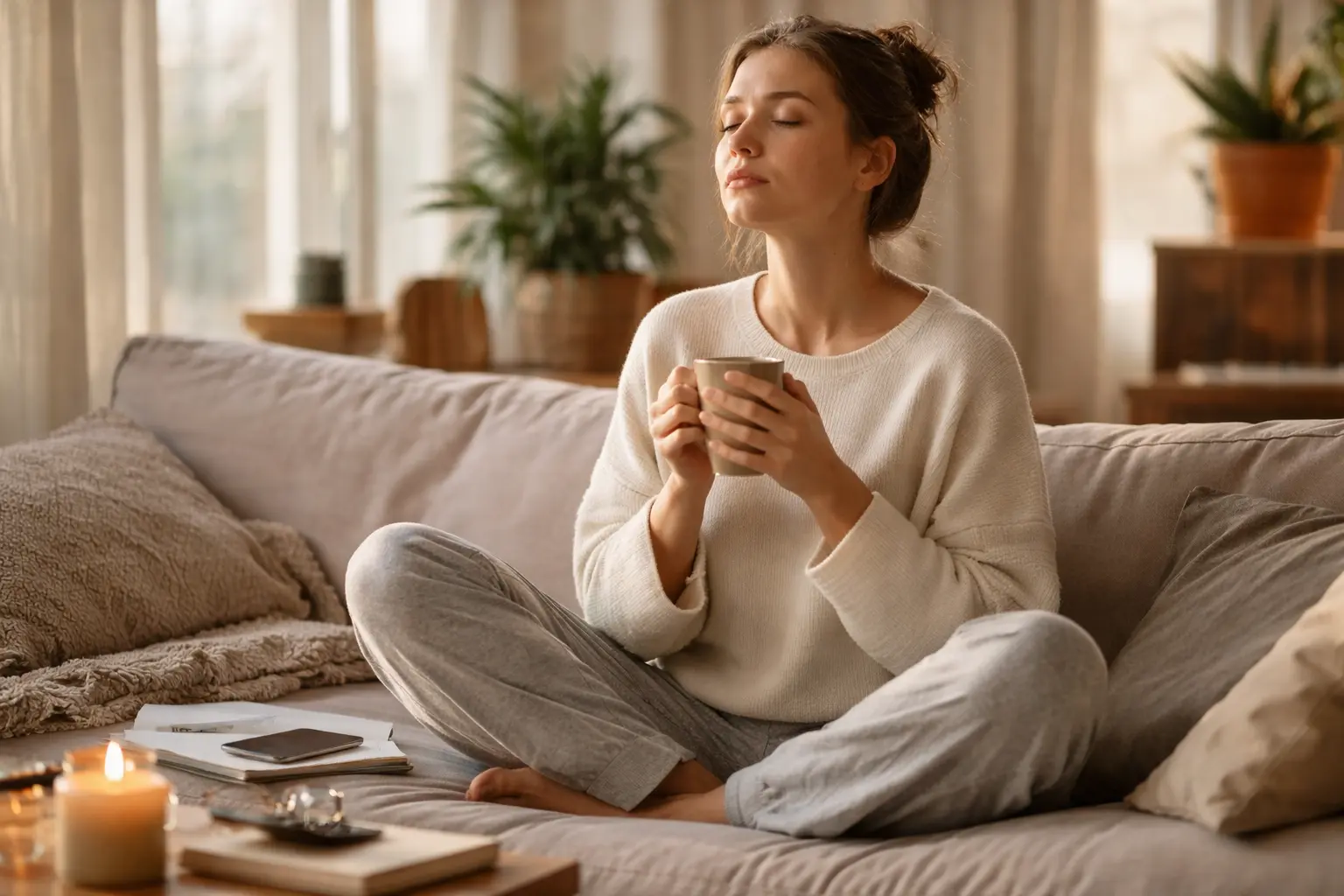
Your shoulders are tight, your mind won’t stop racing, and you feel like you’re drowning in daily stress reduction strategies that promise everything but deliver nothing, so let’s cut through the noise and actually figure out what science says really works for women.
The science behind stress in women
Women experience stress through a distinctly different biological lens than men, shaped by hormonal fluctuations, genetic predisposition, and social conditioning that spans decades. Research from neuroscience laboratories reveals that women’s brains show heightened activation in areas responsible for emotional processing and memory formation when facing stressors. The hormone cortisol, released during stress, follows different patterns in women depending on menstrual cycle phase, pregnancy status, and menopausal stage. Beyond chemistry, women often navigate unique stressors including caregiving responsibilities, workplace gender dynamics, and societal expectations that compound daily pressure. Studies consistently show that women tend to respond to stress through what researchers call tend-and-befriend behavior, seeking connection and collaboration rather than fight-or-flight isolation. This biological reality means that stress management strategies effective for men may miss the mark entirely for women, requiring approaches tailored to how female bodies and minds actually process threat and recovery.
Effects of stress on women’s health
Chronic stress doesn’t just feel bad; it fundamentally rewires women’s physiology in ways that cascade through multiple body systems over time. When stress becomes persistent, elevated cortisol levels suppress immune function, leaving women more vulnerable to infections and autoimmune conditions. Cardiovascular health suffers particularly in women under chronic stress, with research showing increased risk of heart disease, hypertension, and irregular heartbeat patterns. Mental health consequences are equally serious, with chronic stress significantly elevating depression and anxiety risk, sometimes triggering conditions that persist long after the original stressor disappears. Sleep disruption becomes a vicious cycle, as stress prevents restorative sleep while poor sleep amplifies stress sensitivity. Women also experience stress-related changes in metabolism and weight distribution, hormonal imbalances affecting menstrual regularity, and accelerated aging at the cellular level. The interconnected nature of these effects means addressing stress isn’t optional for women’s long-term health; it’s foundational to preventing disease and maintaining quality of life across decades.
Proven stress reduction methods for women
Mindfulness practices like meditation and deep breathing work by activating the parasympathetic nervous system, the body’s natural brake pedal that counteracts stress response. When a woman sits quietly for ten minutes focusing on breath, her nervous system receives a clear signal that the threat has passed, gradually retraining her stress reactivity. Exercise functions as a powerful stress buffer because physical activity metabolizes stress hormones and triggers endorphin release, creating genuine mood elevation rather than temporary distraction. A woman who walks briskly for thirty minutes experiences measurable reductions in cortisol and improvements in emotional regulation that persist for hours afterward. Lifestyle foundations matter enormously; a balanced diet stabilizes blood sugar and mood, adequate sleep allows the brain to process emotional experiences and consolidate memories, while limiting caffeine and alcohol prevents amplification of anxiety symptoms. Consider Sarah, a 52-year-old manager who combined daily ten-minute meditation with three weekly exercise sessions and improved evening sleep hygiene, reporting within six weeks that her constant tension had noticeably decreased and her ability to handle workplace conflicts had fundamentally shifted. These methods work not through magic but through consistent engagement with biological processes that genuinely reduce stress load.
- Practice mindfulness through meditation or deep breathing exercises daily, starting with just five to ten minutes and gradually extending duration as the practice becomes more comfortable and natural.
- Engage in at least thirty minutes of moderate exercise most days of the week, choosing activities you actually enjoy rather than forcing yourself into routines that feel punishing.
- Prioritize self-care by eating well, getting adequate sleep, and limiting stimulants, treating these foundations as non-negotiable appointments with your own health rather than luxuries.
🔬 Science-backed benefits in 2 minuteschoose where to begin:
The role of social support in stress management
Human connection isn’t a nice-to-have for women managing stress; it’s a biological necessity that directly influences nervous system regulation and stress recovery. When women share their struggles with trusted friends or family members, their brains release oxytocin, a hormone that counteracts cortisol and creates genuine physiological calm. Support groups specifically designed for women facing similar challenges provide normalization and practical wisdom that individual therapy sometimes misses, creating a sense of belonging that buffers against isolation. A woman caring for an aging parent while managing work might discover that weekly coffee with friends who understand her situation doesn’t just feel good emotionally; it measurably reduces her stress markers and improves her sleep quality. Professional support networks, whether formal therapy groups or informal circles of women in similar life stages, provide both practical problem-solving and emotional validation. The research is clear: women with strong social connections recover faster from stress, experience fewer stress-related health problems, and report greater overall life satisfaction. Building and maintaining these relationships requires intentional effort, but the return on that investment in terms of stress resilience is substantial and well-documented.
Holistic approaches to stress relief
Beyond mainstream stress reduction, complementary practices offer women additional tools for nervous system regulation and mental clarity. Yoga combines physical movement with breath awareness and mindfulness, creating a comprehensive approach that addresses stress at multiple levels simultaneously. Women practicing yoga regularly report improved flexibility, better sleep, and reduced anxiety, with research suggesting that the mind-body integration yoga requires may be particularly effective for stress processing. Acupuncture, rooted in traditional Chinese medicine, stimulates specific points that practitioners believe regulate energy flow and stress response, with some clinical studies supporting its effectiveness for anxiety and tension. Aromatherapy using essential oils like lavender or chamomile engages the olfactory system, which connects directly to brain regions controlling emotion and stress response, offering a sensory pathway to relaxation. A woman might combine a weekly yoga class with monthly acupuncture sessions and evening aromatherapy rituals, creating a multi-sensory stress management system that addresses her unique preferences and needs. These approaches work best when integrated with evidence-based methods rather than replacing them, offering women flexibility in designing personalized stress relief routines that feel sustainable and genuinely restorative.
Seeking professional help for chronic stress
When daily stress reduction strategies alone aren’t sufficient to manage persistent stress, professional mental health support becomes not just helpful but essential for preventing serious health consequences. Therapy provides women with trained guidance to identify stress sources, develop coping strategies tailored to their specific situations, and address underlying patterns that may amplify stress reactivity. Cognitive behavioral therapy helps women recognize and reshape thought patterns that intensify stress, while other therapeutic approaches address trauma, relationship dynamics, or life transitions contributing to ongoing pressure. Counseling offers structured space to process emotions and challenges without judgment, something that friends and family, however supportive, cannot always provide. Medication, when appropriate, can stabilize mood and anxiety during periods of acute stress, allowing women to engage more effectively with other coping strategies. A woman experiencing persistent anxiety, sleep disruption, or emotional overwhelm despite her best efforts at self-care should view professional consultation as a sign of wisdom, not weakness. Mental health professionals can assess whether stress has triggered clinical conditions requiring specific treatment and help women develop comprehensive plans that combine behavioral, emotional, and sometimes pharmaceutical approaches for genuine recovery.
Discover the science-backed stress reduction methods tailored for women to effectively manage daily stress and improve overall well-being.
How can mindfulness help women reduce stress?
Mindfulness practices such as meditation and deep breathing can help women manage stress by promoting relaxation, focus, and emotional regulation.
What are the benefits of exercise for stress reduction in women?
Regular physical activity can reduce stress levels in women by releasing endorphins, improving mood, and promoting overall well-being.
Others also read:
Disclaimer: This article is for informational purposes only and is not a substitute for professional medical advice. Always consult a healthcare professional for personal guidance.
This article has been prepared and reviewed by the GlobalHealthBeacon editorial team and is based on current medical research and published scientific literature available in 2026. It provides structured, evidence-based information to support informed health decisions.
← Back to the Main page on: daily stress reduction strategies
