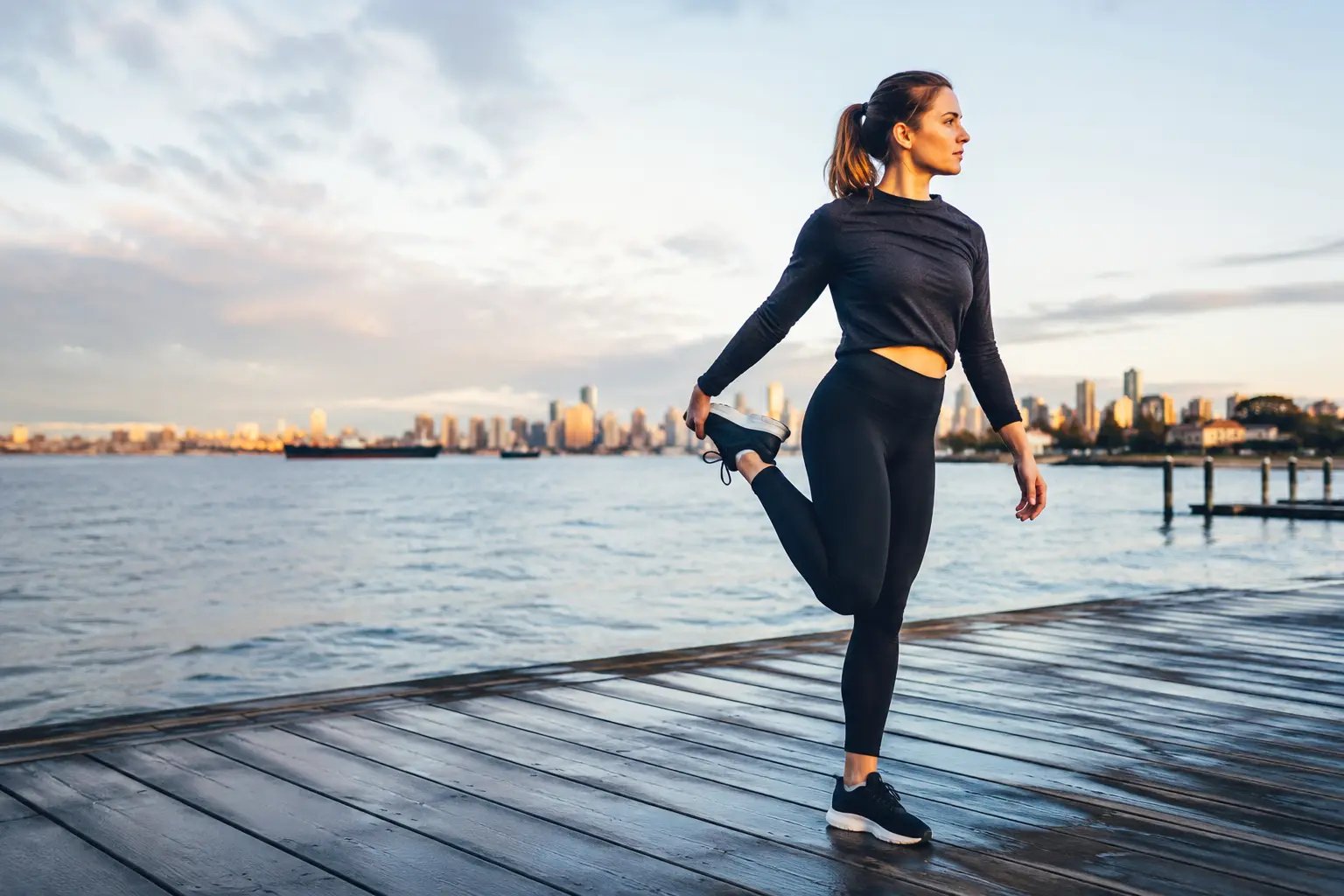
Your body feels locked up, your shoulders creep toward your ears by noon, and that nagging stiffness won’t quit no matter how much you move around, but a daily stretching routine could be the simple shift that finally unlocks the relief you’ve been searching for.
Understanding the importance of stretching
Stretching is far more than just touching your toes before a workout. It’s a fundamental biological process that directly influences how your muscles, joints, and connective tissues function throughout your day. When you stretch, you’re essentially signaling your muscles to lengthen and adapt, which improves flexibility and maintains the range of motion your joints need to move freely. Think of your muscles like elastic bands that gradually tighten over time from sitting, stress, and repetitive movements. Without regular stretching, these bands lose their elasticity. For women specifically, hormonal fluctuations and structural differences in the body mean that maintaining joint mobility becomes increasingly important with age. Stretching enhances circulation to tissues, delivering oxygen and nutrients while removing metabolic waste. This process also helps prevent injuries by keeping muscles supple and responsive. Women face particular risks with conditions like osteoporosis and arthritis, where maintaining muscle strength and joint flexibility acts as a protective buffer against decline and discomfort.
How stretching benefits women’s health
The benefits of stretching extend well beyond physical flexibility into the realm of hormonal and emotional wellness. Many women experience cyclical muscle tension and cramping related to menstrual cycles, and stretching can help alleviate this by improving blood flow to affected areas and reducing the muscle tightness that amplifies discomfort. Beyond the menstrual cycle, stretching activates your parasympathetic nervous system, the part of your body responsible for relaxation and recovery. When you hold a gentle stretch, your breathing naturally deepens, your heart rate slows, and your body shifts out of stress mode. This is particularly valuable for women who often juggle multiple responsibilities and carry tension in their neck, shoulders, and lower back. Regular stretching also improves posture by lengthening muscles that have become shortened from desk work or daily habits. Better posture doesn’t just look more confident; it reduces strain on your spine, improves breathing capacity, and even influences mood and energy levels. The mental clarity that follows a stretching session comes from this nervous system shift, making it a powerful tool for overall well-being.
Optimizing your stretching routine
Building an effective stretching routine requires understanding how your body responds to different types of stretching and timing. Start each session with a gentle warm-up lasting five to ten minutes, such as light walking, easy cycling, or arm circles. This raises your body temperature and makes muscles more pliable, reducing injury risk. Once warmed up, move into static stretches where you hold each position for fifteen to thirty seconds without bouncing. Bouncing actually triggers a protective reflex that causes muscles to tighten rather than lengthen, so smooth, sustained stretches are more effective. Focus on major muscle groups that tend to tighten in women: hamstrings along the back of your thighs, hip flexors at the front of your hips, chest muscles that round forward from daily posture, and calf muscles that shorten from wearing heels or sitting. A common mistake is stretching only the areas that feel tight while ignoring the opposing muscles. For example, if your hamstrings are tight, your quadriceps may be weak, so stretching both creates balance. Consistency matters more than intensity; ten minutes daily outperforms a single intense session weekly.
- Warm up your body with light aerobic activities like walking or jogging for five to ten minutes to increase muscle temperature and blood flow.
- Hold each stretch without bouncing for fifteen to thirty seconds, allowing tissues to lengthen gradually and safely without triggering protective muscle contractions.
- Incorporate stretching into your daily routine, ideally in the morning to ease overnight stiffness or in the evening to release accumulated tension from the day.
🔬 Science-backed benefits in 2 minuteschoose where to begin:
The role of stretching in injury prevention
Injury prevention is one of the most compelling reasons to establish a consistent stretching practice. When muscles lack flexibility, they compensate by working harder and less efficiently, which increases strain on joints and connective tissues. Imagine a woman who sits at a desk all day with tight hip flexors and weak glutes; when she tries to exercise or even walk up stairs, her lower back takes excessive load because her hips can’t move through their full range. This compensation pattern is how injuries develop. Stretching restores balanced muscle length and function, allowing your body to move in its intended patterns. Women who engage in sports or fitness activities face particular injury risks because they often have naturally greater flexibility in some areas but tightness in others, creating imbalances. Regular stretching addresses these imbalances before they become problems. Additionally, flexible muscles recover faster from workouts because they have better blood flow and less residual tension. Studies on athletic populations show that those who incorporate consistent flexibility work experience fewer strains, sprains, and overuse injuries compared to those who skip this component of fitness.
Enhancing physical performance with stretching
While many people associate stretching with recovery, it also directly enhances how your body performs during activity. Flexible muscles generate force more efficiently, which translates to better coordination, balance, and power output. When your hip flexors are tight, for example, your stride becomes shorter and less powerful; when they’re flexible, your legs move through a fuller range, making walking, running, and climbing easier and more graceful. For women involved in fitness activities, yoga, dance, or sports, this enhanced range of motion becomes a performance advantage. Stretching also improves proprioception, which is your body’s awareness of where it is in space. This awareness is crucial for balance and injury prevention, especially important as women age and balance naturally becomes more challenging. A woman who stretches regularly tends to move with more confidence and control, whether she’s navigating stairs, playing with grandchildren, or participating in group fitness classes. The nervous system benefits matter too; stretching calms your central nervous system, which paradoxically improves focus and mental clarity during physical activity. Many athletes report that a brief stretching session before activity helps them feel more connected to their body and more present in their movements.
The science behind stretching
At the cellular level, stretching triggers a cascade of biological responses that improve muscle function and recovery. When you stretch a muscle, you’re lengthening the muscle fibers and the connective tissue surrounding them, called fascia. This mechanical stimulus increases blood flow to the area, delivering oxygen and nutrients while removing metabolic byproducts like lactate that accumulate during activity and contribute to soreness. The increased circulation also promotes the delivery of growth factors and immune cells that support tissue repair and adaptation. Stretching activates specialized sensory receptors in muscles called mechanoreceptors, which send signals to your nervous system about muscle length and tension. Over time, regular stretching resets these receptors to accept a longer resting length, which is how flexibility actually improves. Additionally, stretching influences your fascia, the web-like connective tissue that surrounds every muscle, bone, and organ. Healthy fascia is hydrated and mobile; stiff fascia restricts movement and contributes to pain. Stretching keeps fascia supple by promoting fluid movement through the tissue. The relaxation response triggered by gentle stretching also reduces cortisol, your body’s primary stress hormone, which has far-reaching effects on inflammation, immune function, and recovery.
Daily stretching routines offer women a multitude of benefits including improved flexibility, injury prevention, enhanced physical performance, and overall well-being.
Can stretching help with menstrual cramps?
Yes, stretching can help alleviate menstrual cramps by improving circulation to the pelvic region and reducing muscle tension in the lower abdomen, hips, and lower back. Gentle stretches targeting the hip flexors, hamstrings, and lower back are particularly helpful during this time.
How often should I stretch each day?
It is recommended to incorporate a daily stretching routine with a focus on major muscle groups for optimal benefits. Even ten to fifteen minutes daily is more effective than occasional longer sessions, and many women find that stretching in the morning and evening provides the greatest relief from tension.
Others also read:
Disclaimer: This article is for informational purposes only and is not a substitute for professional medical advice. Always consult a healthcare professional for personal guidance.
This article has been prepared and reviewed by the GlobalHealthBeacon editorial team and is based on current medical research and published scientific literature available in 2026. It provides structured, evidence-based information to support informed health decisions.
