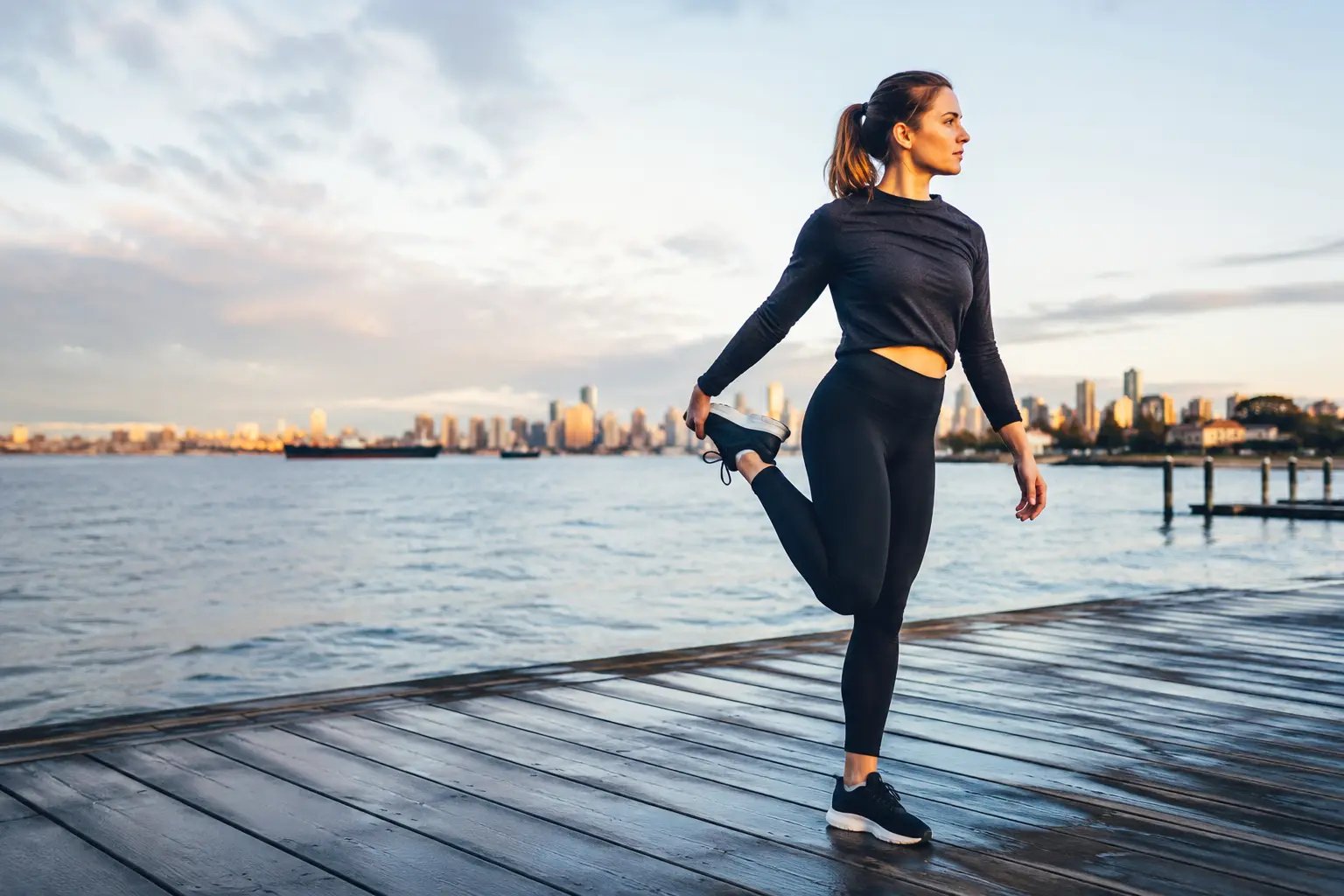
You’re stuck at your desk all day, your shoulders are screaming, your back feels like concrete, and you have zero energy left by evening, so you need a daily stretching routine that actually fits into your chaotic life and doesn’t feel like another chore.
Dynamic stretching: stay agile and engaged
Dynamic stretching changed the game for me when I realized I was starting every morning feeling like a rusty robot. Instead of just rolling out of bed and diving into work, I started incorporating leg swings and arm circles before my coffee even brewed. Think about it: your body hasn’t moved in eight hours, so why shock it with intense exercise? Dynamic stretches wake up your nervous system gradually, mimicking the movements you’ll actually do throughout your day. I noticed within a week that my morning brain fog lifted faster, my posture improved, and I felt genuinely ready to tackle my day instead of dragging myself through it. The beauty is that these stretches take maybe five minutes but deliver real results. You’re not just loosening muscles; you’re telling your body it’s time to move, think, and perform.
- Improves blood circulation for better focus and productivity
- Reduces the risk of injuries during physical activities
- Enhances muscle coordination and flexibility
Static stretching: unwind and relax your muscles
After years of ignoring my body’s signals, I finally understood why static stretching felt like such a relief at the end of the day. You know that feeling when you’ve been hunched over your laptop for six hours straight and your hip flexors feel permanently shortened? Static stretching targets exactly that. By holding gentle stretches like toe-touches and shoulder stretches for 15 to 30 seconds, you’re essentially giving your muscles permission to release the tension they’ve been storing. I started doing this routine right before bed, and honestly, it transformed my sleep quality. My muscles weren’t fighting me anymore. The key mistake I made initially was holding stretches too aggressively or bouncing, which actually tightens muscles rather than relaxing them. Now I approach each stretch with patience, breathing deeply and letting gravity do the work. It’s become my favorite wind-down ritual, way more effective than scrolling on my phone.
💬 Ready to feel better in 2 minutes?choose where to begin:
Yoga: find balance and tranquility
When I first tried yoga, I expected it to be all meditation and spiritual talk, but what I discovered was a legitimate tool for managing the stress that comes with being young and constantly plugged in. Poses like downward dog and child’s pose aren’t just stretches; they’re moments where your mind finally stops racing. I noticed that after just 15 minutes of gentle yoga, my anxiety levels dropped noticeably, and my concentration improved for hours afterward. The physical benefits are real too: my tight shoulders loosened up, my hamstrings became more flexible, and my overall posture improved. What surprised me most was how the mind-body connection actually works. When you’re focused on holding a pose and breathing correctly, you can’t simultaneously worry about that email you forgot to send. Yoga has become my favorite form of active recovery, especially on days when I’m too mentally exhausted for intense workouts but still need to move my body.
Pilates: strengthen your core and improve posture
I used to think Pilates was just for people doing fancy reformer machines in expensive studios, but then I realized I could do it at home with just my body weight and the right guidance. Exercises like the hundred and single-leg stretch might sound intimidating, but they’re genuinely transformative for your core strength and posture. After dealing with chronic lower back pain from sitting all day, I started incorporating Pilates three times a week, and within three weeks, the pain was noticeably reduced. The reason it works so well is that Pilates forces you to engage your deep core muscles, the ones that actually support your spine, rather than just your surface abs. You also develop serious body awareness; suddenly you notice when you’re slouching or tensing unnecessarily. The mind-body connection in Pilates is intense, which means you can’t phone it in like you might with other exercises. It demands your full attention, which paradoxically makes it incredibly stress-relieving.
Explore different daily stretching routines like dynamic stretches, static stretching, yoga, and Pilates to boost energy, flexibility, and overall well-being. From enhancing focus and relaxation to strengthening core muscles and improving posture, these practices cater to young adults looking to elevate their physical and mental health.
How often should I do daily stretches?
For optimal results, aim to incorporate daily stretching into your routine for at least 10 to 15 minutes. Listen to your body’s cues and adjust the intensity and duration based on your comfort level.
Can daily stretching help with stress relief?
Yes, daily stretching, particularly practices like yoga and Pilates, can significantly reduce stress levels by promoting relaxation, improving focus, and enhancing overall well-being.
Others also read:
Disclaimer: This article is for informational purposes only and is not a substitute for professional medical advice. Always consult a healthcare professional for personal guidance.
This article presents an experience-based perspective and has been reviewed by the GlobalHealthBeacon editorial team in 2026. It provides structured, evidence-based information to support informed health decisions.
