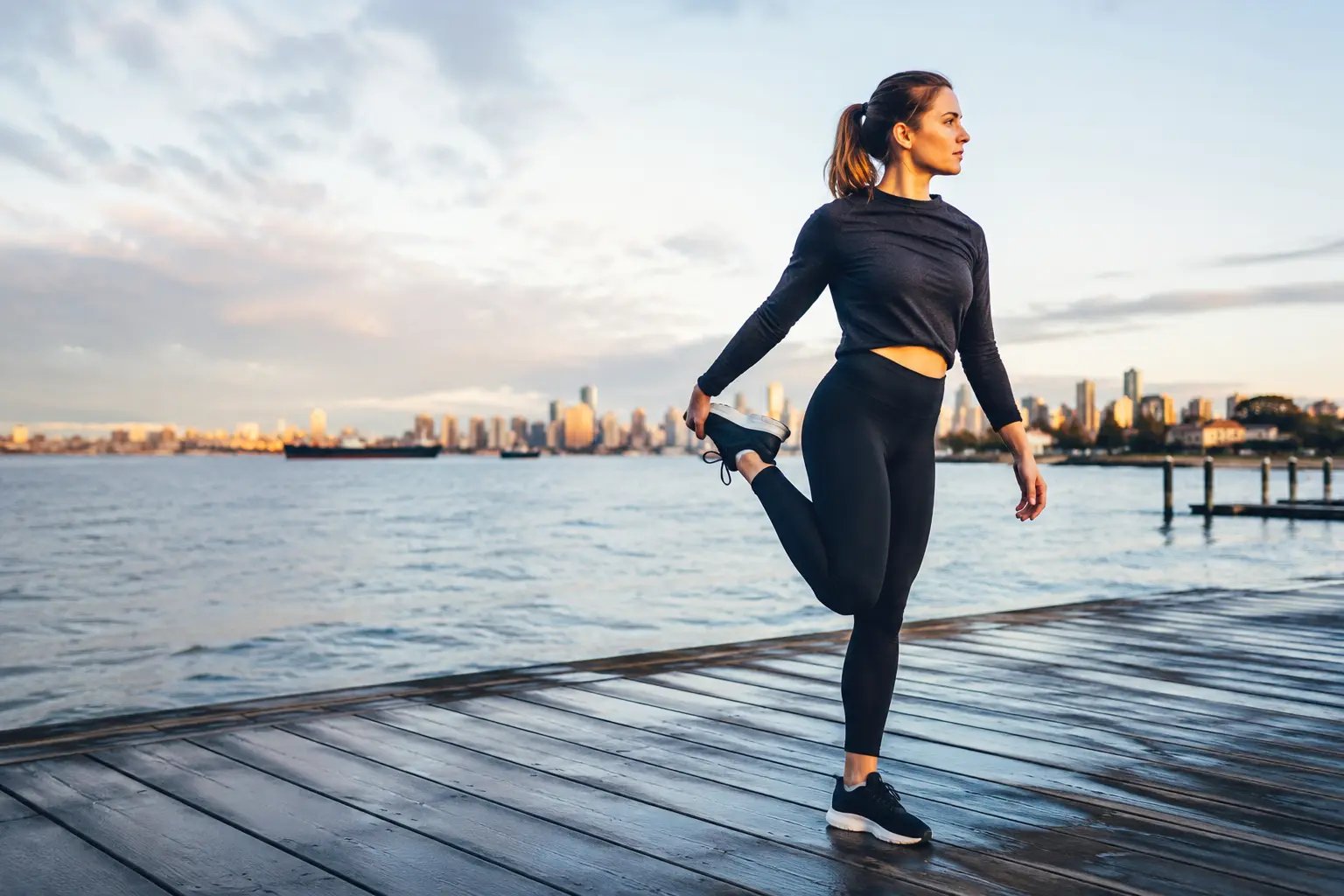
Your body feels locked up, stiff from sitting all day, and you’re tired of feeling restricted in your own skin, but a consistent daily stretching routine might be the missing piece that finally unlocks the mobility and ease you’ve been craving.
The importance of stretching for women
Women navigate a complex landscape of physical demands. Whether you’re managing a desk job, caregiving responsibilities, or simply navigating daily life, your body absorbs stress in ways that manifest as tightness and restriction. Prolonged sitting compresses hip flexors and rounds the shoulders. Emotional stress triggers muscle tension that accumulates over weeks and months. This isn’t weakness or failure on your part. It’s biology. Regular stretching acts as a counterforce to these patterns, systematically lengthening muscles that have shortened from disuse or tension. When you stretch consistently, you’re not just improving flexibility in isolation. You’re addressing the postural imbalances that develop from modern life. You’re signaling to your nervous system that it’s safe to relax. You’re restoring your body’s natural range of motion, which directly reduces injury risk during everyday activities and exercise. Think of stretching as maintenance work for your musculoskeletal system, the same way you’d maintain a car to prevent breakdowns.
How stretching affects women’s mobility
When you stretch a muscle, you’re initiating a cascade of physiological responses. The muscle fibers lengthen, and this mechanical stimulus triggers increased blood flow to that tissue. This isn’t metaphorical. Real blood vessels dilate, delivering oxygen and nutrients to muscle cells while simultaneously removing metabolic waste products that accumulate during tension and stress. Tendons and ligaments, the connective tissues that stabilize your joints, also respond to stretching by becoming more pliable and resilient. Consider a woman who sits for eight hours daily. Her hip flexors shorten, her hamstrings tighten, and her lower back compensates by over-arching. When she begins a stretching routine targeting these areas, blood flow increases to these tissues, promoting repair and adaptation. Over weeks, her tissues literally remodel themselves, becoming longer and more flexible. This improved tissue quality translates directly into better joint mobility, easier movement patterns, and reduced compensatory strain on other body parts. The science is clear: stretching creates the biological conditions for your body to move more freely.
The scientifically-backed benefits of daily stretching for women
Research consistently demonstrates three primary benefits that matter most for women’s health and function. First, stretching alleviates stiffness and discomfort by releasing muscle tension and improving tissue quality. A woman experiencing morning stiffness might find that ten minutes of gentle stretching upon waking dramatically improves how her body feels throughout the day. Second, enhanced joint range of motion means your joints can move through their full intended pathways. This matters whether you’re reaching overhead, bending to pick something up, or simply turning to look over your shoulder. Restricted range of motion forces other joints to compensate, creating pain and dysfunction. Third, improved posture and balance emerge naturally as tight muscles release and stabilizing muscles strengthen through stretching. Better posture reduces strain on your spine and neck. Better balance reduces fall risk, which becomes increasingly important as we age. These benefits compound over time. A woman who stretches consistently for three months reports not just feeling better, but moving with more confidence and ease.
- Include a variety of stretches targeting major muscle groups such as hamstrings, hip flexors, chest, shoulders, and calves. Different muscles have different needs, and a comprehensive approach ensures balanced flexibility throughout your entire body rather than creating new imbalances by focusing only on problem areas.
- Hold each stretch for 15 to 30 seconds to allow the muscles to elongate safely. This duration gives your nervous system time to recognize the stretch and allow deeper relaxation. Bouncing or holding too briefly prevents the muscle from fully adapting, while holding too long risks overstretching and potential injury.
- Incorporate daily stretching into your routine at times that work for your life, such as after waking up when muscles are stiff, before bed to promote relaxation, or after exercise when muscles are warm and most responsive to lengthening. Consistency matters more than duration, so even five minutes daily outperforms sporadic longer sessions.
🔬 Science-backed benefits in 2 minuteschoose where to begin:
Stretching techniques specifically beneficial for women
While basic stretching provides real benefits, certain structured approaches offer additional advantages for women. Yoga combines stretching with controlled breathing and mindfulness, creating a practice that addresses both physical and mental tension simultaneously. Pilates integrates stretching with core strengthening, helping women develop the stability that supports better posture and reduces back pain. These practices are particularly valuable because they teach body awareness. A woman practicing yoga learns to recognize where she holds tension and how to release it consciously. She develops strength in stabilizing muscles while lengthening tight ones, creating balanced development rather than just flexibility. Tai Chi offers similar benefits through flowing movements that improve mobility while building functional strength. The beauty of these approaches is that they address the whole person. You’re not just stretching muscles in isolation. You’re improving proprioception, enhancing balance, strengthening your core, and calming your nervous system simultaneously. For many women, this holistic approach creates sustainable practice because it feels nourishing rather than like another obligation.
How hormones influence women’s flexibility
Women’s bodies experience cyclical hormonal changes that directly affect tissue flexibility and stretching response. During the follicular phase of the menstrual cycle, estrogen levels rise, and tissues become more pliable and responsive to stretching. This is an ideal time for deeper stretching work and pushing your flexibility boundaries slightly. During the luteal phase, progesterone dominates, tissues become less flexible, and your body naturally prefers gentler movement. Understanding this pattern helps you work with your body rather than against it. A woman who stretches aggressively during her luteal phase might experience soreness or injury, while the same intensity during her follicular phase feels productive. Pregnancy creates dramatic hormonal shifts that increase tissue laxity, requiring modified stretching approaches. Perimenopause and menopause bring hormonal fluctuations that can increase stiffness and joint discomfort, making consistent stretching even more valuable. Rather than following a one-size-fits-all stretching program, women benefit from tuning into their hormonal cycle and adjusting intensity and focus accordingly. This isn’t complicated. It simply means being aware of where you are in your cycle and listening to what your body needs.
The role of progressive overload in women’s flexibility training
Flexibility isn’t a fixed trait. It’s a skill that improves with systematic training. Progressive overload in stretching means gradually increasing the challenge to your muscles over time, which prevents plateaus and ensures continued improvement. This might mean holding stretches longer, deepening the stretch slightly, adding more challenging variations, or increasing frequency. A woman might begin with 15-second holds and gradually extend to 30 seconds. She might progress from a basic hamstring stretch to a deeper variation. She might add stretching on additional days or incorporate more advanced techniques like PNF stretching, which involves contracting and relaxing muscles in specific patterns. The key is gradual progression. Jumping too quickly into advanced stretches risks injury and discourages continued practice. A systematic approach means steady, measurable improvement over weeks and months. A woman who stretches consistently for six months will have noticeably better flexibility than when she started, but only if she’s gradually challenging herself. This progressive approach also keeps practice interesting and prevents boredom. You’re always working toward something, always improving, which creates motivation and engagement with your stretching routine.
Daily stretching benefits women by enhancing flexibility, reducing stiffness, and improving overall mobility through biological mechanisms that increase blood flow, promote tissue repair, and restore natural movement patterns. Understanding the science behind stretching routines helps women optimize their flexibility, prevent injuries, and work with their bodies’ natural rhythms. Whether through basic stretching, yoga, Pilates, or other movement practices, consistency and progressive improvement create lasting changes in how your body feels and functions.
Is it necessary to stretch every day?
While daily stretching can be beneficial, listen to your body and adjust your routine as needed. Incorporate rest days and focus on quality stretches to avoid overstretching or injury. Even five minutes daily is more effective than sporadic longer sessions. Some women find that stretching five to six days weekly with one or two rest days provides optimal results.
Can stretching help with menstrual cramps?
Gentle stretching and relaxation techniques may provide relief from menstrual cramps by reducing muscle tension and improving blood flow to affected areas. Specific stretches targeting the lower back, hips, and abdomen can be particularly helpful. However, results vary for individuals, and some women find gentle movement more helpful during certain phases of their cycle than others.
Others also read:
Disclaimer: This article is for informational purposes only and is not a substitute for professional medical advice. Always consult a healthcare professional for personal guidance.
This article has been prepared and reviewed by the GlobalHealthBeacon editorial team and is based on current medical research and published scientific literature available in 2026. It provides structured, evidence-based information to support informed health decisions.
