Your gums bleed when you floss, your breath smells no matter how much you brush, and your dentist keeps mentioning that word: deep cleaning. If that sounds like you, this guide to the deep cleaning dental procedure is exactly what you need to understand what’s happening in your mouth and why it matters now.
Understanding deep cleaning
Deep cleaning, also known as scaling and root planing, is a thorough dental procedure that targets buildup of plaque and tartar below the gumline where your regular toothbrush cannot reach. Think of it this way: regular brushing and flossing clean the surfaces you can see, but below the gumline, bacteria and hardened tartar accumulate in pockets that form between your teeth and gums. This process is crucial for preventing gum disease and maintaining healthy teeth and gums. For young adults, understanding this distinction matters because gum disease often develops silently. You might not notice symptoms until significant damage has occurred. A deep cleaning removes years of buildup that standard cleaning misses, essentially resetting your oral environment and giving your gums a chance to heal and reattach to your teeth properly.
- Removes plaque and tartar from hard-to-reach areas below the gumline
- Prevents gum disease progression and tooth decay
- Promotes overall oral health and fresh breath
Signs you might need deep cleaning
Several warning signs indicate you may need deep cleaning. Persistent bad breath that doesn’t improve with mouthwash or brushing is often the first clue. Swollen, tender, or bleeding gums, especially when you floss or brush, signal inflammation and bacterial infection. You might also notice your gums pulling away from your teeth, making them appear longer, or feel loose teeth that weren’t loose before. Some young adults experience a constant metallic taste or notice pus around the gumline. If you’ve ignored these signs for months, your dentist may discover deeper pockets during a routine exam. A comprehensive evaluation involves measuring the depth of pockets between your teeth and gums using a special probe. Pockets deeper than 3 millimeters typically require professional deep cleaning. Don’t wait until you experience pain; by then, bone loss may have already begun.
📘 Fix your day in under 2 minuteschoose where to begin:
What to expect during deep cleaning
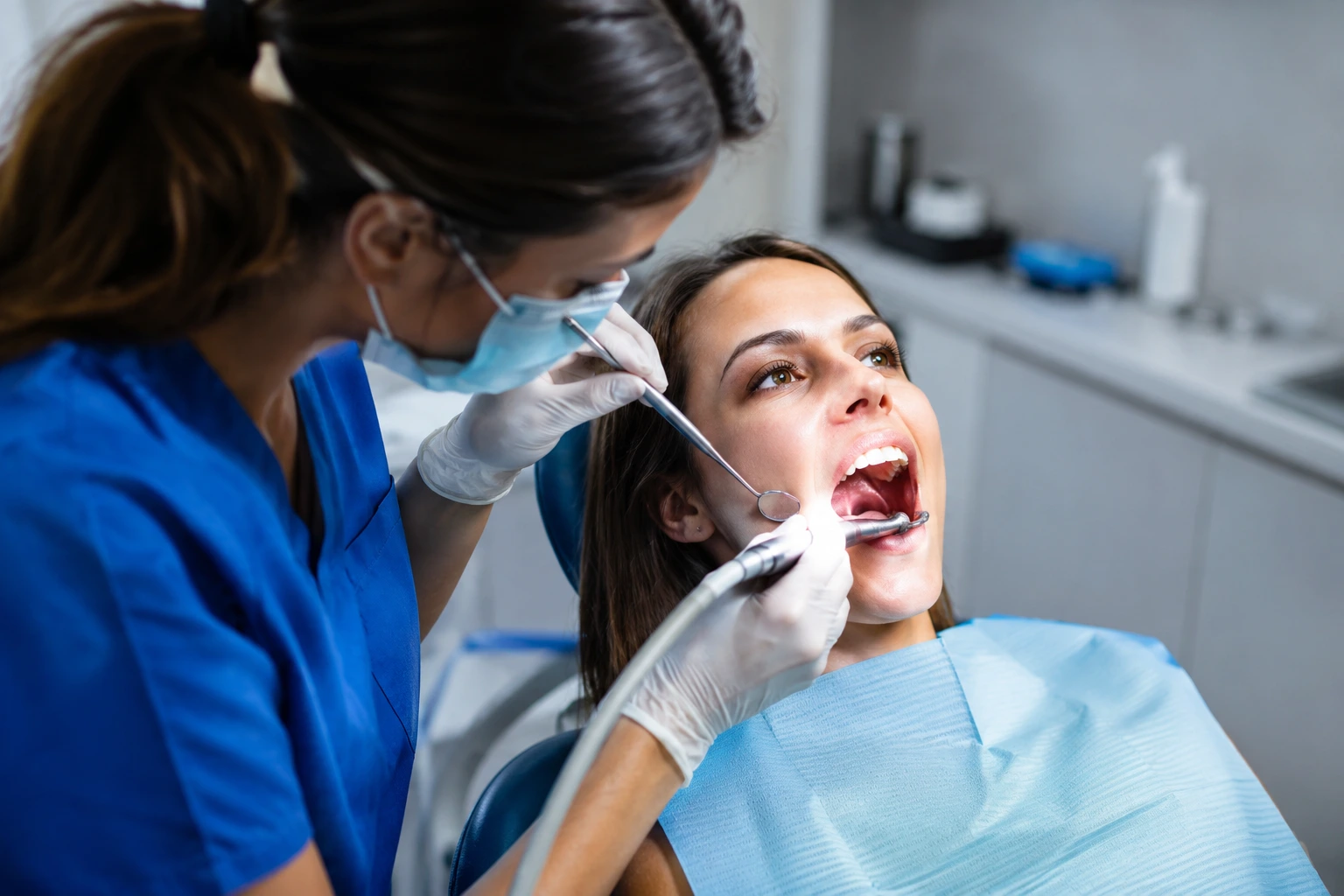
During the procedure, your dentist or hygienist will use specialized tools, including ultrasonic scalers and hand instruments, to remove plaque, tartar, and bacteria from your teeth and below the gumline. The ultrasonic scaler vibrates at high frequency, breaking apart hardened deposits, while hand instruments allow precise cleaning in tight spaces. Local anesthesia numbs the area so you feel pressure but not pain, making the process comfortable. Most dentists complete deep cleaning in two to four appointments, treating different sections of your mouth at each visit. This staged approach allows your gums to begin healing between sessions and prevents overwhelming your immune system. You might hear scraping sounds and feel vibrations, which is completely normal. Some people experience slight bleeding during the procedure as the instruments work below the gumline. Afterward, your mouth may feel tender for a few days, and your gums might be slightly swollen.
Aftercare tips for deep cleaning
After deep cleaning, your gums are healing and vulnerable, so proper aftercare directly determines your results. For the first week, avoid hard, crunchy, or sticky foods that could irritate healing tissue. Rinse with warm salt water several times daily to reduce inflammation and promote healing. Brush gently with a soft-bristled toothbrush, being careful around treated areas. Floss carefully starting three to four days after treatment, using gentle motions rather than aggressive sawing. Use an antibacterial mouthwash as recommended by your dentist to control bacterial growth. Attend all follow-up appointments, which typically occur four to six weeks after treatment to assess healing and measure pocket depth again. Some dentists recommend a second round of deep cleaning if pockets remain deep. Continue excellent home care habits: brush twice daily, floss daily, and use mouthwash. These habits prevent the buildup from returning and protect your investment in treatment.
Long-term benefits of deep cleaning
Deep cleaning offers benefits that extend far beyond your smile. By removing infection and allowing gums to reattach to teeth, you reduce your risk of tooth loss and bone deterioration. Research shows that untreated gum disease increases your risk of heart disease, stroke, and diabetes complications. Treating gum disease through deep cleaning can lower these systemic health risks. Your breath improves noticeably as bacterial infection decreases. You experience less gum bleeding and sensitivity. Many young adults report feeling more confident socially and professionally after treatment. Long-term, deep cleaning prevents expensive future procedures like extractions, implants, or bone grafts. Your teeth feel cleaner and healthier. The procedure essentially stops disease progression and gives you a fresh start with your oral health. When combined with consistent home care and regular dental visits, deep cleaning results last for years, making it one of the most valuable investments in your overall health.
Deep cleaning, also known as scaling and root planing, is a vital procedure for maintaining optimal oral health. It removes plaque and tartar below the gumline, prevents gum disease progression, and promotes fresh breath. Recognizing warning signs like bleeding gums or persistent bad breath, understanding what happens during the procedure, following aftercare instructions carefully, and maintaining excellent home care habits are essential components of successful treatment. The long-term benefits extend to your overall health and confidence.
Is deep cleaning painful?
While deep cleaning may cause some discomfort, your dentist will use local anesthesia to numb the area and ensure a pain-free experience. You might feel pressure or vibration, but not pain. Some sensitivity and mild soreness occur for a few days after treatment, which is normal and manageable with over-the-counter pain relief if needed. The benefits of deep cleaning far outweigh any temporary discomfort.
How often should I get deep cleaning?
The frequency of deep cleaning depends on your individual oral health needs and how well you maintain your teeth afterward. Your dentist will recommend a personalized schedule based on the condition of your teeth and gums. Some people need it once and never again if they maintain excellent home care. Others require maintenance cleanings every six to twelve months if they’re prone to gum disease or have risk factors like smoking or diabetes.
Disclaimer: This article is for informational purposes only and is not a substitute for professional medical advice. Always consult a healthcare professional for personal guidance.
This guide has been prepared and reviewed by the GlobalHealthBeacon editorial team and reflects current medical research as of 2026. It provides structured, evidence-based information to support informed health decisions.
