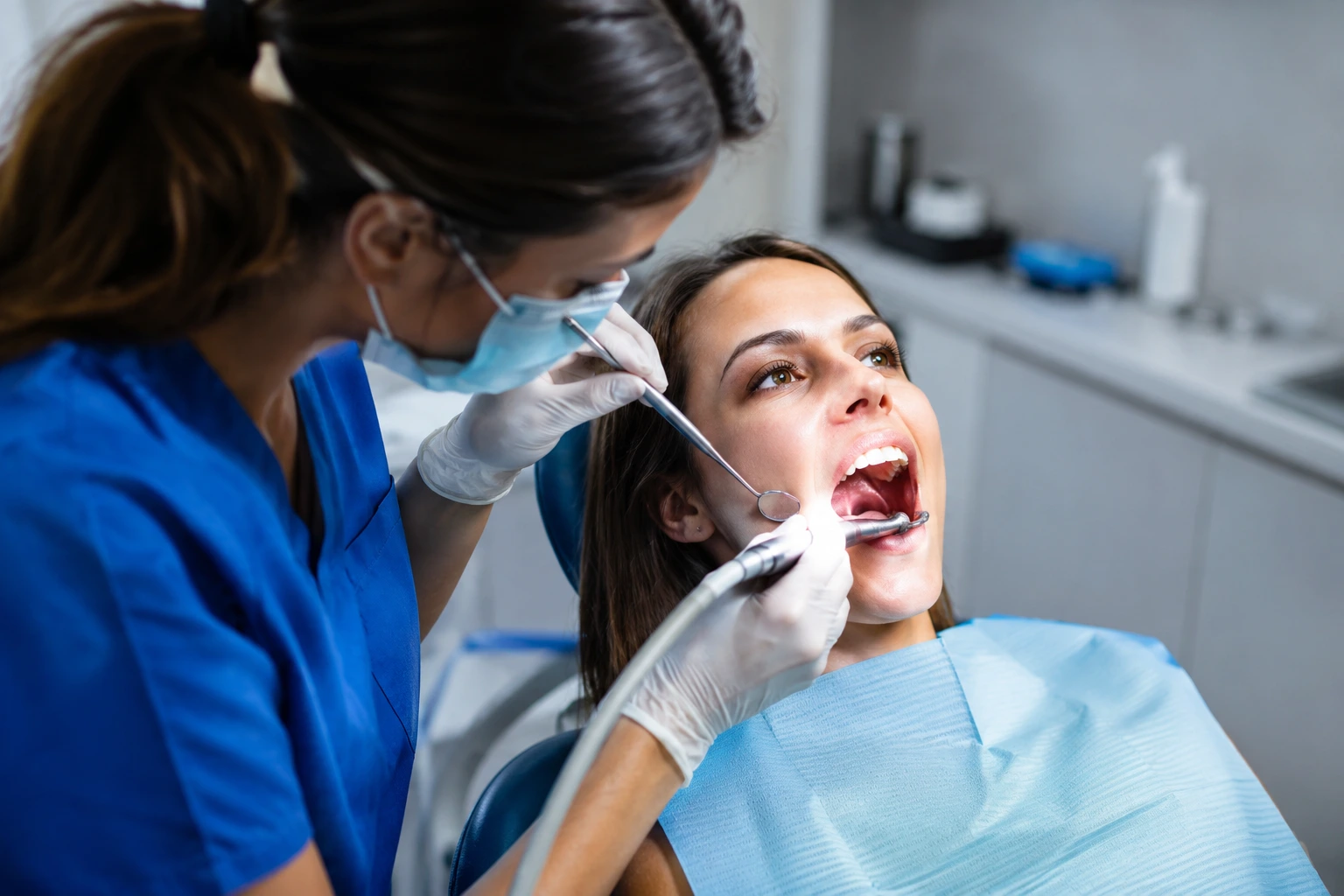
Your gums bleed when you brush, your breath feels off no matter how much you floss, and that nagging sensitivity won’t quit—welcome to the reality that makes deep cleaning dental procedure the conversation you actually need to have with your dentist.
Understanding deep cleaning: what to expect
Deep cleaning, also known as scaling and root planing, is a more intensive dental procedure aimed at removing plaque and tartar buildup from below the gumline where regular brushing simply cannot reach. Picture this: you’ve been diligent with your oral hygiene, but bacteria have still managed to colonize the spaces between your teeth and gums, creating pockets of inflammation that only professional intervention can address. The procedure itself involves numbing your gums with local anesthesia to ensure comfort, then systematically removing hardened deposits and smoothing root surfaces to help your gums reattach. Many women find themselves needing this after noticing persistent bleeding during their regular cleaning appointments or experiencing that uncomfortable feeling when their dentist probes deeper than usual. The cost typically ranges from 200 to 400 dollars per quadrant depending on severity and location, making it a significant but worthwhile investment in preventing gum disease progression. Recovery involves mild discomfort and sensitivity that usually subsides within days when you follow proper aftercare instructions.
- Deep cleaning involves numbing the gums with local anesthesia to ensure patient comfort during the procedure.
- The cost of deep cleaning can vary depending on the severity of the condition and the dental clinic, ranging from 200 to 400 per quadrant.
- Recovery from deep cleaning may involve mild discomfort and sensitivity, but this typically subsides within a few days with proper oral care.
Benefits of deep cleaning for women
For women, deep cleaning carries particular significance because hormonal fluctuations throughout your menstrual cycle, during pregnancy, and through menopause create an environment where gums become more susceptible to inflammation and disease. Many women report noticing their gums swell or bleed more heavily right before their period, a phenomenon that feels frustrating and sometimes alarming. By undergoing deep cleanings on a schedule tailored to your individual risk factors, you’re essentially getting ahead of these hormonal shifts rather than constantly playing catch-up with inflammation. Beyond preventing gum disease, regular deep cleanings help you maintain that confident smile and fresh breath feeling, reduce your risk of tooth loss, and even contribute to better overall health since gum disease has been linked to cardiovascular concerns. Think of it as preventive maintenance that pays dividends over years and decades of healthy teeth and gums.
💬 Ready to feel better in 2 minutes?choose where to begin:
Deep cleaning vs. regular cleaning
The difference between regular cleaning and deep cleaning often becomes clear during that moment when your hygienist says those words: we need to do some additional work below the gumline. Regular cleanings, which most people get twice yearly, focus on removing visible plaque and tartar from tooth surfaces above the gumline, keeping your smile bright and fresh. Deep cleaning, by contrast, targets the hidden battlefield where bacteria thrive in pockets beneath your gums, causing silent destruction that you might not notice until bleeding or sensitivity appears. If you’ve ever wondered why some people seem to develop gum problems despite excellent brushing habits, the answer often lies in these subgingival spaces where bacteria accumulate and trigger inflammation. Deep cleaning is recommended when your dentist identifies signs of gum disease, such as pockets deeper than three millimeters, to prevent progression toward bone loss and eventual tooth loss.
Reassurance through deep cleaning
If you’re experiencing gum tenderness, bleeding when you brush or floss, or that persistent bad breath that mouthwash never quite fixes, deep cleaning can provide genuine relief by addressing the actual source of your discomfort rather than just masking symptoms. Many women describe a sense of calm after their deep cleaning appointment, knowing that the infection and inflammation causing their worry has been professionally treated. The procedure works by removing the bacterial biofilm and calculus that irritate your gum tissues, allowing them to heal and reattach to your teeth properly. You might notice that your gums feel firmer within a week or two, that bleeding stops, and that overall sense of oral health returns. By tackling the root cause of gum disease rather than ignoring warning signs, you’re investing in not just a healthier mouth but also peace of mind knowing you’ve taken proactive steps to preserve your teeth.
Deep cleaning, also known as scaling and root planing, is a crucial dental procedure that targets plaque and tartar buildup below the gumline where regular cleaning cannot reach. Women can benefit significantly from regular deep cleanings to maintain optimal oral health and reduce the risk of gum disease, particularly given hormonal influences throughout different life stages. By undergoing deep cleaning, individuals can find relief from gum inflammation, eliminate persistent bad breath, and improve their overall well-being while preserving their natural teeth for years to come.
Is deep cleaning painful?
Deep cleaning may cause mild discomfort during the procedure due to numbing of the gums. However, most patients report minimal pain, and any sensitivity typically subsides within a few days.
How often should women undergo deep cleaning?
Women with signs of gum disease or increased risk factors should consider deep cleaning every 3-4 months to maintain good oral health. Your dentist will recommend the appropriate frequency based on your individual needs.
Others also read:
Disclaimer: This article is for informational purposes only and is not a substitute for professional medical advice. Always consult a healthcare professional for personal guidance.
This article presents an experience-based perspective and has been reviewed by the GlobalHealthBeacon editorial team in 2026. It provides structured, evidence-based information to support informed health decisions.
