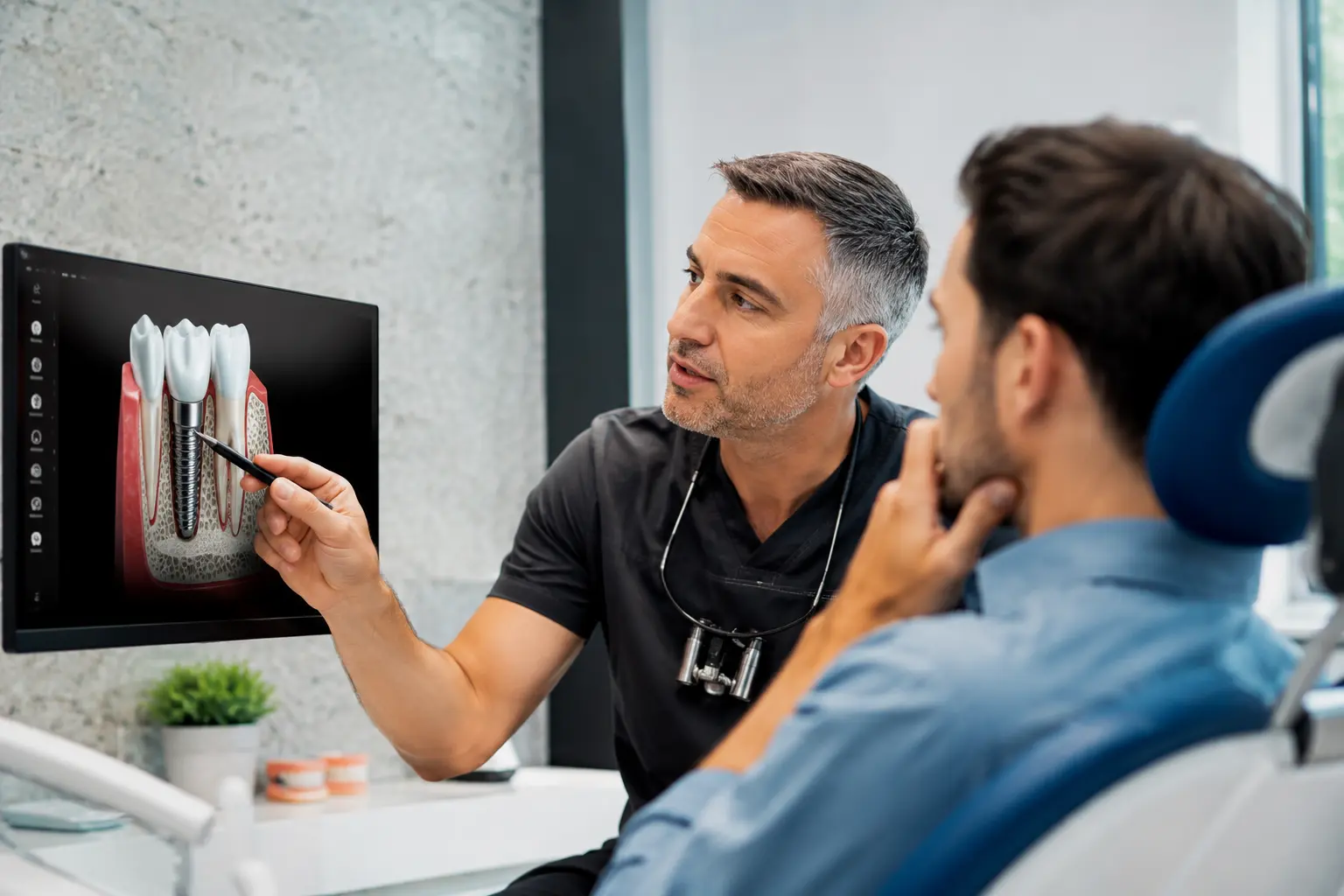
You’ve saved for years, done your research, and finally decided dental implants are the answer to your smile, only to discover that the same procedure costs wildly different amounts depending on where you go and what’s involved, leaving you confused about what you’re actually paying for and whether you’re getting a fair deal on dental implant cost factors.
Material quality and complexity
The materials used in dental implants represent a significant portion of the overall expense, and understanding this component helps clarify why two clinics might quote dramatically different prices for what appears to be the same procedure. Titanium implants, the most commonly used material, come in various grades and manufacturing standards. Some implants use pure titanium, while others use titanium alloys that may offer different biocompatibility profiles or longevity characteristics. The crown portion of the implant, which sits atop the titanium post, can be crafted from porcelain, ceramic, or composite materials, each with distinct durability and aesthetic properties. A ceramic crown, for example, mimics natural tooth appearance more closely but may require more careful handling during placement. The complexity of your specific case also influences costs significantly. If your tooth loss involves multiple adjacent teeth, the implant design becomes more intricate. Bone density variations, sinus proximity, or nerve positioning all require customized surgical approaches and materials, which naturally increases the investment required.
Location and clinic reputation
Geographic location profoundly shapes implant pricing in ways that extend beyond simple cost-of-living differences. Urban centers like New York, Los Angeles, or Chicago typically charge 30 to 50 percent more than rural areas, partly because overhead costs are higher but also because demand for specialized dental services concentrates in populated regions. A clinic in Manhattan might charge $6,000 to $8,000 per implant, while the same procedure in a smaller Midwestern town might cost $3,500 to $5,000. Clinic reputation and provider credentials also create meaningful price variations. A periodontist or oral surgeon with 20 years of implant experience and published research credentials will typically charge more than a general dentist who recently added implants to their service menu. However, this premium often reflects lower complication rates, faster healing times, and superior aesthetic outcomes. Women frequently find that established clinics with strong patient testimonials and before-and-after galleries command higher fees, but the investment often translates to greater confidence in the procedure and results.
Insurance coverage and financing options
Insurance coverage for dental implants remains inconsistent across plans, creating a significant variable in your out-of-pocket costs. Most traditional dental insurance plans classify implants as cosmetic or elective procedures and provide little to no coverage, though some plans cover a portion of the crown or abutment costs. Dental discount plans, which operate differently from insurance, can reduce implant costs by 10 to 60 percent depending on your membership and the participating provider. Many women discover that exploring multiple financing pathways transforms an otherwise unaffordable procedure into a manageable investment. Dental clinics increasingly offer in-house payment plans with zero-interest options spread over 12 to 36 months, making the financial burden feel less overwhelming. Medical credit cards like CareCredit provide another avenue, though interest rates apply if you don’t pay within promotional periods. Some clinics partner with third-party financing companies that specialize in healthcare loans. Understanding your specific insurance policy details, including any waiting periods or coverage caps, allows you to budget accurately and avoid unexpected surprises during treatment.
- Contact your insurance provider directly and request a detailed breakdown of what implant-related costs they cover, including any annual maximums or waiting periods that might apply to your plan.
- Compare at least three different dental clinics in your area and request written cost estimates that itemize each component, from the implant fixture itself to the crown and any preparatory procedures.
- Research dental discount plans and membership programs available in your region, as these can sometimes offer better savings than traditional insurance for implant procedures.
- Ask each clinic about their in-house financing options, payment plans, and any partnerships with third-party lenders that might offer favorable terms for your situation.
- Calculate the true total cost by factoring in all components, follow-up appointments, and potential adjustments, rather than focusing only on the implant fixture price.
🔬 Science-backed benefits in 2 minuteschoose where to begin:
Additional procedures and complications
The initial implant quote you receive often covers only the basic procedure, but many women discover that additional treatments significantly increase the final cost. Bone grafting represents one of the most common add-on procedures, necessary when your jawbone lacks sufficient density or volume to support an implant securely. This procedure involves adding bone material, either from your own body, a donor source, or synthetic material, and typically costs $1,500 to $3,000 depending on the extent needed. Sinus lift procedures, required when implants are placed in the upper jaw near the sinuses, add another $1,500 to $2,500 to your total. Tooth extraction, if your damaged tooth remains in place, might require surgical removal rather than simple extraction, increasing costs further. Complications during healing, such as infection or implant failure requiring replacement, can necessitate additional procedures and extend your treatment timeline. Some women experience gum recession or bone loss around the implant site months or years after placement, requiring corrective grafting procedures. Understanding that your initial quote represents a starting point rather than a final number helps you prepare financially and emotionally for the complete treatment journey.
Provider expertise and experience
The credentials and experience level of your implant provider create one of the most direct correlations with both cost and outcome quality. A general dentist who recently completed a weekend implant certification course will charge significantly less than a board-certified periodontist or oral surgeon with thousands of successful implant placements under their belt. However, this price difference reflects meaningful variations in training depth, complication rates, and aesthetic refinement. Experienced providers have developed refined surgical techniques that minimize trauma, reduce healing time, and produce more natural-looking results. They’ve encountered and successfully managed complex anatomical variations that less experienced practitioners might find challenging. Women often report greater confidence and peace of mind when choosing highly credentialed providers, even at premium prices, because they understand the stakes of implant placement. A skilled provider can navigate difficult cases that other clinics might refuse, potentially saving you from traveling long distances or accepting suboptimal solutions. Researching your provider’s background, including their implant-specific training, professional memberships, and patient satisfaction ratings, helps justify the investment and ensures you’re paying for genuine expertise rather than simply higher overhead costs.
Long-term oral health benefits
While the upfront cost of dental implants can feel substantial, understanding their long-term value proposition provides important perspective on the financial investment. Unlike dentures or bridges, which require replacement every 5 to 10 years and accumulate costs over time, implants can function for 20, 30, or even a lifetime with proper care. A woman who receives an implant at age 50 might spend $6,000 initially but avoid spending $15,000 to $20,000 on multiple denture replacements, adjustments, and repairs over the next 40 years. Implants preserve jawbone structure in ways that other tooth replacement options cannot, preventing the facial collapse and aging appearance that often accompanies bone loss. This preservation of bone density and facial contours provides benefits beyond aesthetics, supporting better speech clarity, chewing function, and overall quality of life. Implants eliminate the daily maintenance hassles of dentures, the dietary restrictions of bridges, and the social anxiety some women experience with removable prosthetics. The psychological benefit of feeling confident in your smile, speaking without self-consciousness, and eating your favorite foods without worry carries value that extends beyond simple financial calculation. When you factor in these long-term physical, functional, and emotional benefits alongside the durability of implants, the initial cost often represents a sound investment in your health and wellbeing.
Dental implant costs vary significantly based on material quality and procedural complexity, geographic location and provider reputation, insurance coverage and available financing options, the need for additional procedures like bone grafting, your provider’s expertise and experience level, and the long-term oral health and quality-of-life benefits that implants provide. By understanding each of these factors and how they interact, women can make informed decisions about implant treatment that align with both their financial circumstances and their health goals.
How can insurance coverage affect dental implant costs for women?
Insurance coverage significantly impacts implant costs because most traditional dental plans classify implants as elective or cosmetic and provide minimal to no coverage. However, some plans cover portions of the crown or abutment, and dental discount plans can reduce costs by 10 to 60 percent. Understanding your specific policy details, including annual maximums and waiting periods, allows you to budget accurately and explore alternative financing options like in-house payment plans or medical credit cards.
What are some key factors that influence the complexity of dental implant procedures?
Complexity factors include bone density and volume, which may require grafting procedures; sinus proximity in upper jaw placements; nerve positioning; the number of teeth being replaced; and your overall oral health status. Additional considerations include whether your natural tooth requires surgical extraction, the type of implant material selected, and any existing conditions like gum disease or previous bone loss. These variables directly influence both the surgical approach required and the final cost of treatment.
Others also read:
Disclaimer: This article is for informational purposes only and is not a substitute for professional medical advice. Always consult a healthcare professional for personal guidance.
This article has been prepared and reviewed by the GlobalHealthBeacon editorial team and is based on current medical research and published scientific literature available in 2026. It provides structured, evidence-based information to support informed health decisions.
