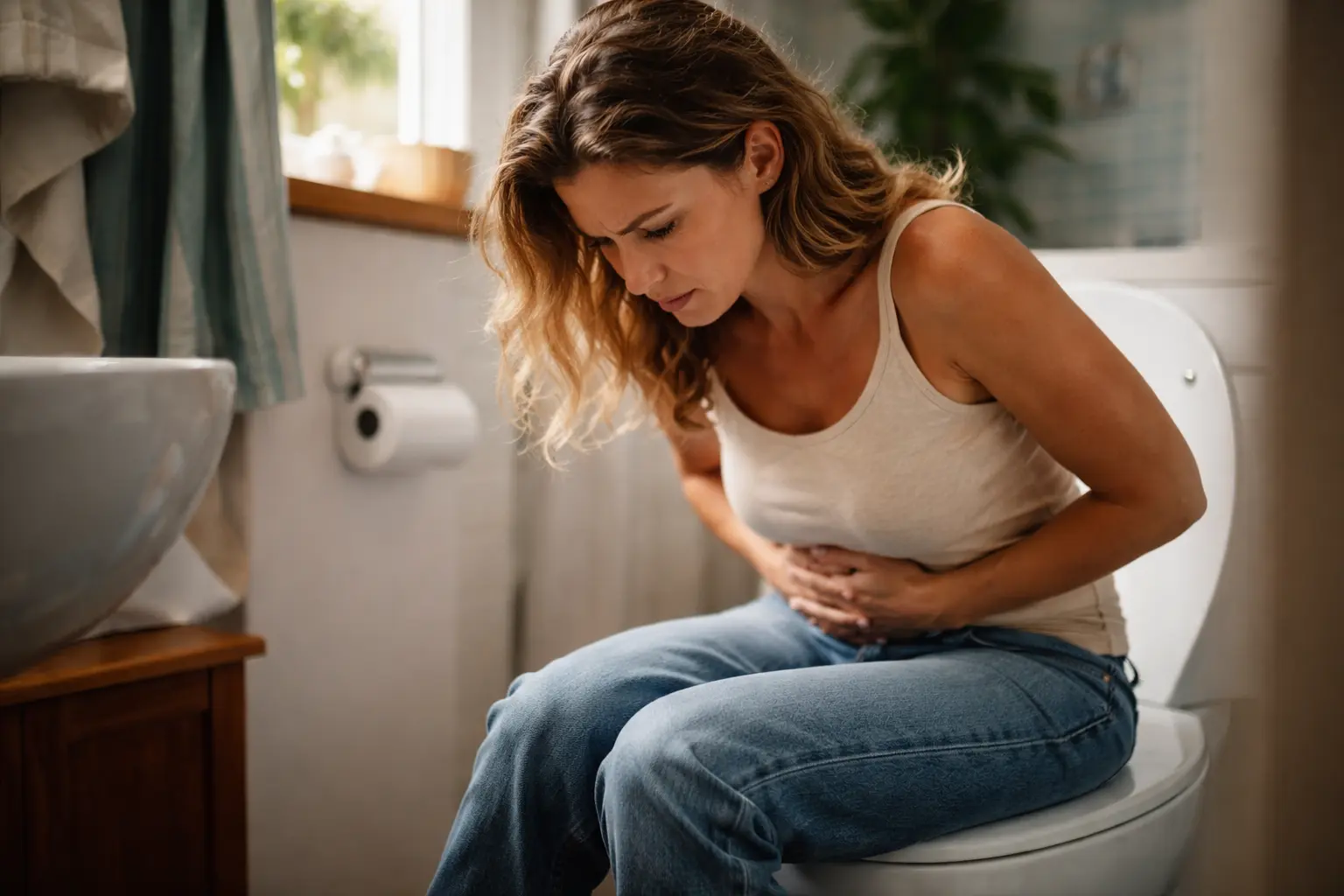
Running to the bathroom at the worst possible moments, feeling that sudden urgency, the bloating and discomfort that derails your entire day – diarrhea causes explained here so you finally understand what’s actually happening in your body and why it keeps catching you off guard.
Intestinal infections and diarrhea
Gastrointestinal infections represent one of the most common culprits behind diarrhea in women, and understanding how they work helps demystify what feels like an unpredictable problem. When bacteria like Salmonella or Campylobacter, viruses such as norovirus or rotavirus, or parasites enter the digestive tract, they trigger an inflammatory response that disrupts the intestines’ normal rhythm. Your intestinal lining becomes irritated and inflamed, which accelerates how quickly material moves through your system and reduces the colon’s ability to absorb water from stool, resulting in that characteristic loose, watery consistency. Picture it like this: normally your intestines work methodically, absorbing nutrients and water as food moves through. When infection strikes, your body essentially hits the fast-forward button, rushing everything through before proper absorption can happen. Women may contract these infections through contaminated food or water, close contact with infected individuals, or poor hygiene practices. The severity varies widely – some infections resolve within days while others persist longer, which is why tracking when symptoms started and what you ate beforehand becomes genuinely useful information to share with a healthcare provider.
Women’s hormonal influence
Your menstrual cycle wields surprising power over your digestive system, and recognizing these patterns can transform how you understand your body’s monthly rhythms. Estrogen and progesterone fluctuate throughout your cycle, and these hormones directly influence gut motility – essentially how fast or slow your intestines contract and move food along. During the luteal phase, roughly the two weeks before menstruation, progesterone levels rise and can slow intestinal movement, sometimes causing constipation. Conversely, as progesterone drops right before your period, some women experience looser stools or diarrhea. Pregnancy introduces even more dramatic hormonal shifts, where relaxin hormone softens tissues throughout your body, including your digestive tract, sometimes leading to unpredictable bowel changes. Additionally, hormonal fluctuations affect the balance of gut bacteria and can influence how your intestines absorb nutrients and water. Many women report noticing their digestive patterns shift predictably with their cycle – perhaps diarrhea strikes consistently during the first few days of menstruation, or loose stools appear mid-cycle. Tracking these patterns in a simple calendar or health app helps you anticipate changes rather than feeling blindsided, and provides valuable information if you need to discuss symptoms with a healthcare provider.
Nutritional factors impacting diarrhea
What you eat directly shapes your digestive experience, and certain foods act as reliable triggers for many women. Spicy foods increase intestinal secretions and accelerate movement through your system, while high-fat meals can overwhelm your digestive capacity and trigger cramping and loose stools. Some women discover that dairy products cause problems if they have lactose intolerance, where their body struggles to break down milk sugar, leading to bloating, gas, and diarrhea within hours of consumption. Similarly, gluten sensitivity or celiac disease causes intestinal inflammation in susceptible individuals, damaging the lining that absorbs nutrients. High-fiber foods, while generally healthy, can paradoxically trigger diarrhea if you increase intake too quickly without allowing your gut bacteria time to adapt. Artificial sweeteners like sorbitol and xylitol, commonly found in sugar-free products, have a laxative effect and pass through your intestines largely unabsorbed, drawing water into your stool. Dehydration compounds these issues because water is essential for proper stool consistency and overall digestive function. When diarrhea strikes, your body loses fluids and electrolytes like sodium and potassium, which your cells need for proper function. This creates a cycle where inadequate hydration worsens symptoms. Electrolyte-rich drinks, broths, and coconut water help restore balance more effectively than plain water alone.
- Keep a detailed food diary for two weeks, noting what you eat and any digestive symptoms that follow within hours, looking for patterns that reveal your personal trigger foods.
- Eliminate suspected trigger foods one at a time for at least one week, then reintroduce them individually to confirm whether they actually cause problems for your body.
- Drink at least eight glasses of water daily, and during episodes of diarrhea increase intake to include electrolyte beverages like sports drinks or oral rehydration solutions designed to replace lost minerals.
- Consult with a registered dietitian or healthcare provider about food intolerances, as professional testing can identify issues like lactose intolerance or celiac disease that self-diagnosis might miss.
🔬 Science-backed benefits in 2 minuteschoose where to begin:
Stress and diarrhea
The gut-brain connection runs deeper than most people realize, and stress literally reshapes how your digestive system functions through multiple biological pathways. When you experience anxiety or prolonged stress, your brain releases cortisol and adrenaline, hormones that trigger your body’s fight-or-flight response. This ancient survival mechanism diverts blood away from digestion toward your muscles, increases intestinal motility to speed up elimination, and heightens sensitivity to normal sensations in your gut. For many women, this manifests as sudden diarrhea during stressful periods – before important presentations, during relationship conflicts, or when facing major life changes. Your gut also contains its own nervous system with more neurons than your spinal cord, earning it the nickname the second brain. This enteric nervous system communicates constantly with your central nervous system, meaning emotional stress directly influences bacterial balance, intestinal inflammation, and how your body processes food. Some women notice their diarrhea appears predictably during high-stress work weeks or disappears when they take vacation, confirming this mind-body link. Managing stress through regular exercise, which releases calming endorphins, practicing mindfulness or meditation to activate your parasympathetic nervous system, maintaining consistent sleep schedules, and engaging in activities that bring genuine joy can substantially reduce stress-related digestive symptoms. Progressive muscle relaxation, where you systematically tense and release muscle groups, provides another evidence-based technique that calms both your mind and your gut.
Medication side effects
Medications save lives and manage chronic conditions, but they can also disrupt your digestive system in ways that surprise you. Antibiotics represent the most common medication culprit, as they indiscriminately kill bacteria throughout your body, not just the harmful infection they target. Your colon contains trillions of beneficial bacteria that aid digestion, produce essential vitamins, and protect against harmful pathogens. When antibiotics wipe out these helpful microbes, opportunistic bacteria like Clostridioides difficile can overgrow, causing severe diarrhea that sometimes persists for weeks after you finish the medication course. Other medications that frequently trigger diarrhea include certain blood pressure medications, chemotherapy drugs, antacids containing magnesium, and some diabetes medications. Metformin, commonly prescribed for type 2 diabetes, causes loose stools in roughly 30 percent of users. Selective serotonin reuptake inhibitors used for depression and anxiety can affect gut motility and bacterial balance. Even over-the-counter pain relievers like ibuprofen can irritate your intestinal lining with regular use. The timing matters too – diarrhea might begin immediately when starting a medication or develop gradually as your body accumulates the drug. Never stop taking prescribed medications without consulting your healthcare provider, but do report digestive side effects promptly. Your doctor might adjust your dose, change the timing of administration, recommend taking it with food, or switch you to a different medication entirely. Some providers prescribe probiotics alongside antibiotics to help preserve beneficial bacteria, though research on their effectiveness continues evolving.
Lifestyle factors and diarrhea
How you live day-to-day profoundly influences your digestive health, and small lifestyle adjustments often yield noticeable improvements in symptoms. Poor dietary habits like eating irregularly, skipping meals, or relying heavily on processed foods lacking fiber disrupt your digestive rhythm and starve your beneficial gut bacteria of the plant material they need to thrive. Physical inactivity slows intestinal motility, meaning food moves through your system more sluggishly, while regular movement and exercise stimulate natural contractions that keep everything flowing properly. Smoking damages your intestinal lining, increases inflammation throughout your digestive tract, and alters your gut bacteria composition in ways that promote diarrhea and other digestive issues. Sleep deprivation disrupts your circadian rhythm, which governs digestive hormone release and bacterial balance – women who consistently sleep fewer than six hours often report worsening digestive symptoms. Alcohol consumption irritates your intestinal lining and can trigger diarrhea, especially in larger quantities. Caffeine accelerates intestinal movement and increases stomach acid production, potentially triggering symptoms in sensitive individuals. Conversely, establishing consistent meal times, eating slowly and chewing thoroughly to aid digestion, incorporating regular physical activity like walking or swimming, prioritizing seven to nine hours of quality sleep, limiting alcohol and caffeine, and avoiding smoking creates a foundation for stable digestive health. Many women find that addressing even two or three of these lifestyle factors produces meaningful symptom improvement within weeks.
Diarrhea in women stems from multiple interconnected sources, and understanding these causes empowers you to identify your personal triggers and take meaningful action. Intestinal infections disrupt normal absorption through inflammation and accelerated movement, while hormonal fluctuations throughout your menstrual cycle and during pregnancy directly influence gut motility and bacterial balance. Nutritional factors including trigger foods, food intolerances, and inadequate hydration play significant roles, as does the powerful gut-brain axis where stress and anxiety trigger digestive symptoms through multiple biological pathways. Medications, particularly antibiotics, can devastate your beneficial bacterial communities, while lifestyle choices around diet quality, physical activity, sleep, smoking, and alcohol consumption form the foundation of digestive stability. Rather than viewing diarrhea as a mysterious affliction, recognize it as your body’s communication system signaling that something needs adjustment. By systematically exploring these causes and tracking patterns in your own experience, you develop the knowledge to manage and prevent episodes effectively.
Can hormonal changes during menopause cause diarrhea in women?
Yes, menopause brings dramatic hormonal shifts as estrogen and progesterone decline significantly, and these changes directly affect your digestive system. Lower estrogen levels can alter gut bacteria composition, reduce intestinal barrier function, and change how your intestines contract and absorb water. Some women experience diarrhea during menopause while others develop constipation, and symptoms may fluctuate unpredictably during the transition. Consulting with a healthcare provider helps distinguish menopause-related changes from other potential causes and explores management strategies tailored to your situation.
What are some natural remedies to alleviate diarrhea in women?
Supporting your body’s natural healing involves multiple approaches working together. Maintaining a balanced diet emphasizing easily digestible foods like white rice, bananas, and lean proteins while temporarily avoiding high-fiber foods gives your intestines time to recover. Staying hydrated with water and electrolyte-containing beverages replaces fluids and minerals lost during diarrhea. Managing stress through relaxation techniques, exercise, and adequate sleep supports your gut-brain axis. Identifying and avoiding personal trigger foods prevents future episodes. Probiotic-rich foods like yogurt or fermented vegetables may help restore beneficial bacteria, though individual responses vary. However, persistent or severe diarrhea lasting more than a few days, accompanied by fever, severe cramping, or blood in stool, requires professional medical evaluation to rule out serious infections or conditions.
Others also read:
Disclaimer: This article is for informational purposes only and is not a substitute for professional medical advice. Always consult a healthcare professional for personal guidance.
This article has been prepared and reviewed by the GlobalHealthBeacon editorial team and is based on current medical research and published scientific literature available in 2026. It provides structured, evidence-based information to support informed health decisions.

