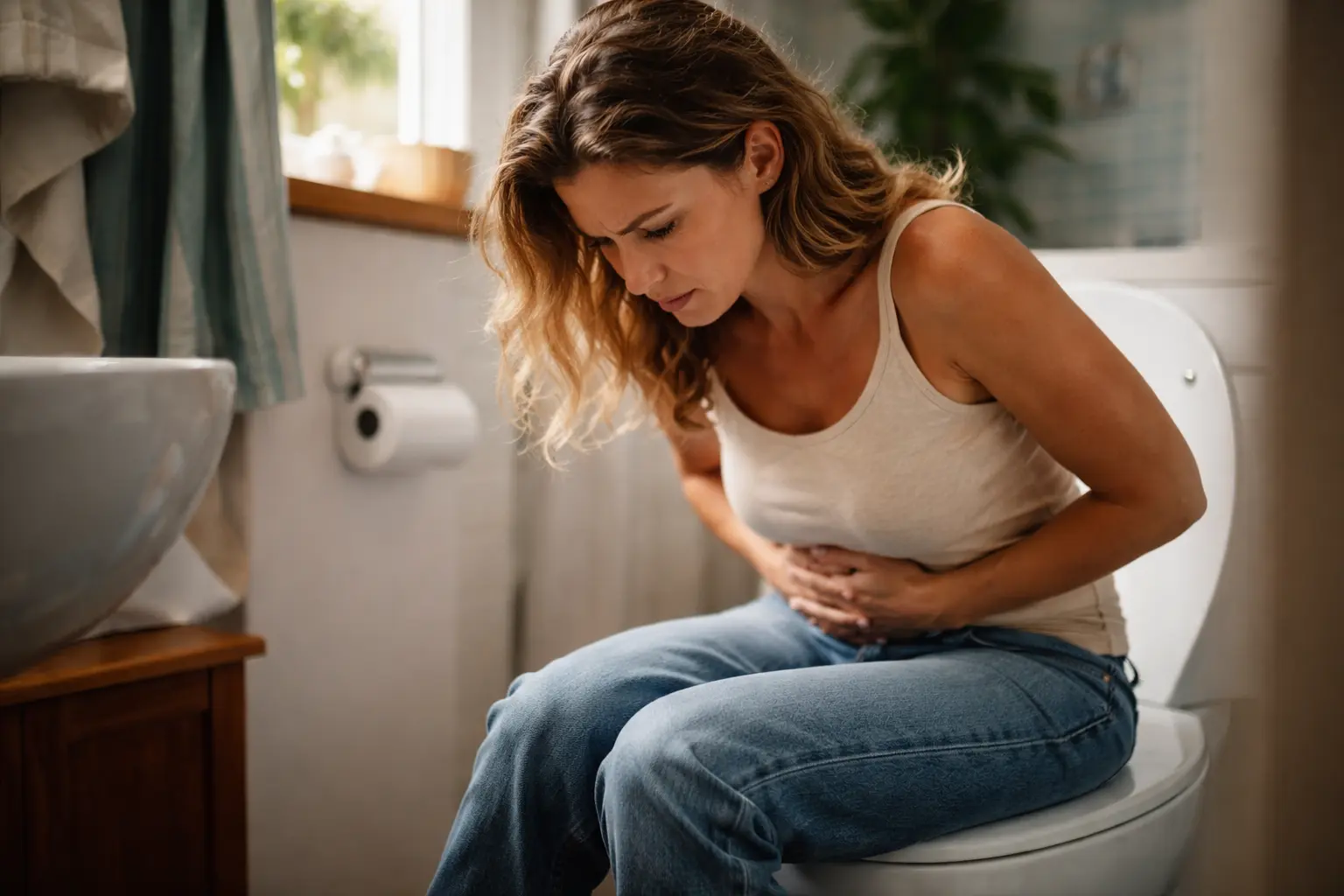
You’re running to the bathroom for the third time before noon, and nothing feels normal down there, so let’s cut through the confusion and get you actual diarrhea causes explained with real science behind what’s happening in your body.
Cellular mechanisms of diarrhea in women
Your digestive system is remarkably complex, operating like a finely tuned orchestra where every player matters. When diarrhea strikes, something has disrupted this balance. At the cellular level, diarrhea occurs when your intestinal lining loses its ability to absorb water properly, or when fluid secretion into the bowel increases beyond normal levels. Picture your intestinal walls as a selective barrier, normally absorbing water and electrolytes while allowing nutrients through. When bacteria invade, food sensitivities trigger inflammation, or hormonal shifts occur, this barrier becomes compromised. The intestinal cells that line your gut start behaving differently, either pulling less water back into your bloodstream or actively pushing more fluid into the bowel. Women specifically experience this through intestinal infections like gastroenteritis, food intolerances such as lactose sensitivity, or hormonal fluctuations that alter gut sensitivity. For example, a woman might notice looser stools during her period due to prostaglandin release, which affects muscle contractions in the intestines. Understanding these cellular changes helps explain why your symptoms feel so real and why different triggers affect different women in different ways.
Hormonal influences on digestive health
Your hormones don’t just affect your mood or energy levels, they directly influence how your digestive system functions. Estrogen and progesterone fluctuate throughout your menstrual cycle, pregnancy, and menopause, and these shifts have measurable effects on your gut. During the luteal phase of your cycle, progesterone rises and can slow intestinal transit time, but some women experience the opposite effect with increased motility and looser stools. Pregnancy brings dramatic hormonal changes that relax smooth muscle throughout your body, including your intestines, which is why many pregnant women report digestive changes. The hormone relaxin, released during pregnancy, softens ligaments and also affects gut muscle tone. Menopause presents another hormonal crossroads, as declining estrogen levels can alter gut bacteria composition and intestinal sensitivity. A woman in her fifties might suddenly notice she can’t tolerate foods she ate comfortably for decades, not because her taste changed but because her hormonal environment shifted. Tracking your symptoms alongside your cycle can reveal patterns you might not otherwise notice. Many women find that keeping a simple log of bowel habits and menstrual dates helps identify whether hormonal timing correlates with their digestive symptoms.
Biological responses to gut infections
When harmful bacteria or viruses breach your intestinal defenses, your immune system launches an immediate response that’s both protective and uncomfortable. Your body recognizes the pathogen and releases inflammatory chemicals called cytokines, which trigger your intestinal lining to increase fluid secretion as a defense mechanism. This sounds counterintuitive, but it’s actually your body’s way of trying to flush out the invader. Imagine your gut as a security system that floods the hallways when an intruder is detected. Simultaneously, the inflammation damages the tight junctions between intestinal cells, allowing more water to pass through into your stool. Common culprits include norovirus, rotavirus, Salmonella, and Campylobacter bacteria. A woman might contract these through contaminated food at a restaurant, from a family member, or through poor food handling at home. The diarrhea typically lasts three to seven days as your immune system eliminates the pathogen and your intestinal lining heals. During this time, your body loses significant water and electrolytes, which is why rehydration becomes critical. The severity varies based on your immune status, the specific pathogen, and your overall health, which is why some women recover quickly while others experience prolonged symptoms.
- Stay hydrated by drinking plenty of fluids like water, broth, or electrolyte solutions to replace lost minerals and prevent dehydration.
- Avoid spicy or fatty foods that may exacerbate symptoms and instead focus on bland, easily digestible options like rice, bananas, or toast.
- Consider probiotics to rebalance gut flora, though timing matters since some strains are more effective during active infection than others.
🔬 Science-backed benefits in 2 minuteschoose where to begin:
Impacts of stress on gut function
The brain-gut connection is so powerful that scientists have nicknamed the gut your second brain, and stress directly hijacks this communication system. When you’re anxious or under emotional pressure, your nervous system triggers the release of stress hormones like cortisol and adrenaline, which immediately affect intestinal function. Your gut has its own nervous system with more nerve cells than your spinal cord, and these nerves respond instantly to stress signals from your brain. A woman facing a work deadline, relationship conflict, or major life change might notice her bowels become unpredictable within hours. Stress increases intestinal permeability, meaning the tight junctions in your gut become leaky, allowing bacteria and partially digested food particles to trigger immune responses. It also alters your gut bacteria composition, reducing beneficial bacteria that normally stabilize digestion. Some women experience stress-induced diarrhea so reliably that they can predict it before important events. The irony is that worrying about diarrhea itself creates more stress, perpetuating the cycle. Managing stress through exercise, meditation, adequate sleep, or therapy isn’t just good for your mental health, it’s a direct intervention for your digestive stability. Women who address their stress levels often report significant improvements in bowel regularity without any dietary changes.
Dietary triggers and digestive sensitivities
Food is medicine, but it can also be a trigger, and identifying your personal sensitivities requires honest observation and sometimes detective work. Dairy products cause diarrhea in many women due to lactose intolerance, where the enzyme lactase that breaks down milk sugar becomes less active after childhood. Gluten triggers diarrhea in women with celiac disease or non-celiac gluten sensitivity through an immune or inflammatory response in the small intestine. Artificial sweeteners like sorbitol and xylitol are poorly absorbed and pull water into the bowel, causing osmotic diarrhea. High-fat foods slow digestion and can overwhelm your bile acid system, leading to loose stools. Spicy foods irritate the intestinal lining in sensitive individuals. A woman might discover that her morning coffee triggers symptoms, not from caffeine but from the acidity combined with an empty stomach. Keeping a food and symptom diary for two to three weeks helps reveal patterns. Write down everything you eat, the time, and any symptoms that follow within the next 24 hours. You might notice that diarrhea appears consistently after eating at certain restaurants, consuming specific brands, or combining particular foods. Once you identify triggers, elimination and reintroduction testing can confirm whether a food truly causes your symptoms or if it was coincidental timing.
Treatment options and prevention strategies
Managing diarrhea effectively requires understanding its root cause, which is why professional guidance matters more than over-the-counter solutions alone. If your diarrhea stems from infection, your healthcare provider might recommend antimotility medications cautiously, since slowing transit can sometimes trap pathogens longer. For bacterial infections, antibiotics may be prescribed, though many viral infections resolve without medication. If food sensitivities are the culprit, elimination diets under professional guidance help identify and avoid problematic foods. Hormonal diarrhea might improve with cycle tracking and timing interventions around your menstrual phases. Stress-related diarrhea responds well to behavioral interventions like cognitive behavioral therapy, mindfulness, or regular exercise. Dietary modifications form the foundation of prevention, including adequate fiber intake from whole grains and vegetables, consistent meal timing, and staying hydrated throughout the day. Some women benefit from specific supplements like psyllium husk for fiber or specific probiotic strains that research supports for their particular situation. Prevention also means practicing good food hygiene, washing hands thoroughly, and being cautious with food preparation. Your healthcare provider can order tests to rule out conditions like inflammatory bowel disease, celiac disease, or infections if symptoms persist beyond two weeks or significantly impact your quality of life.
Diarrhea in women involves multiple biological systems working together, from cellular water absorption to hormonal regulation to immune responses. Hormonal fluctuations during menstruation, pregnancy, and menopause directly influence intestinal function and sensitivity. Gut infections trigger inflammatory responses that increase fluid secretion as your body attempts to eliminate pathogens. Stress creates a direct brain-gut connection that alters intestinal permeability and bacterial composition. Dietary triggers vary individually based on food sensitivities and intolerances. Understanding your personal patterns through observation and professional guidance allows you to identify which factors affect you most. Treatment approaches should be tailored to the underlying cause rather than applying one-size-fits-all solutions. Seeking expert advice from a healthcare provider helps distinguish between temporary digestive upset and conditions requiring specific intervention.
Can hormonal changes cause diarrhea in women?
Yes, hormonal fluctuations during menstruation, pregnancy, and menopause directly impact intestinal motility and water absorption. Progesterone and estrogen changes affect muscle contractions in your intestines and alter gut bacteria composition, which can lead to diarrhea symptoms. Many women notice patterns correlating with their menstrual cycle.
How can women prevent diarrhea triggers?
Prevention involves identifying your personal triggers through food and symptom tracking, managing stress through exercise and relaxation techniques, maintaining adequate hydration and fiber intake, practicing good food hygiene, and staying aware of how hormonal changes affect your digestion. Consulting a healthcare provider helps rule out underlying conditions and develop a personalized prevention plan.
Others also read:
Disclaimer: This article is for informational purposes only and is not a substitute for professional medical advice. Always consult a healthcare professional for personal guidance.
This article has been prepared and reviewed by the GlobalHealthBeacon editorial team and is based on current medical research and published scientific literature available in 2026. It provides structured, evidence-based information to support informed health decisions.

