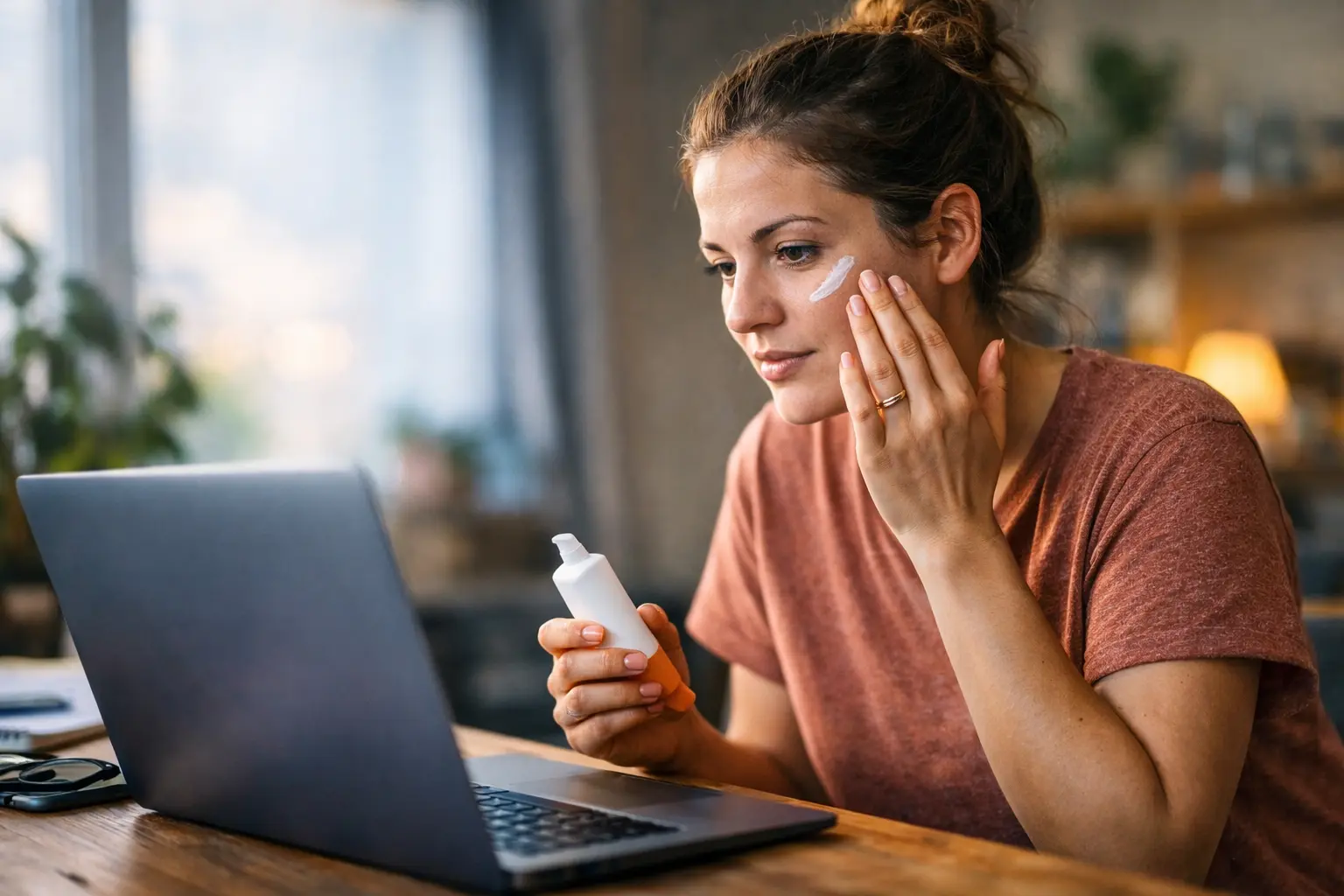
Your skin is silently screaming every time you scroll: digital screens require sunscreen, and the damage is real and relentless.
The science of blue light and skin
Blue light represents a specific wavelength within the visible light spectrum, predominantly emitted by digital devices like smartphones, tablets, and computer screens. Unlike traditional UV radiation, blue light penetrates deeper into skin layers, triggering complex molecular interactions. Researchers have discovered that prolonged exposure causes skin cells to generate reactive oxygen species (ROS), molecules that initiate oxidative stress and cellular damage. For instance, a woman working in digital marketing might experience up to 10 hours of continuous blue light exposure daily, significantly increasing her risk of premature skin aging. The scientific mechanism involves blue light wavelengths (approximately 415-495 nanometers) disrupting mitochondrial function and accelerating free radical production, which gradually compromises skin’s structural integrity and natural regeneration processes.
Effects of blue light on skin aging
Blue light’s impact on skin aging extends far beyond surface-level concerns, penetrating dermis layers and fundamentally altering cellular behavior. Clinical studies demonstrate that consistent blue light exposure can accelerate collagen degradation by up to 30%, leading to pronounced wrinkles and loss of skin elasticity. Consider a hypothetical scenario where a 35-year-old professional spends eight hours daily in front of digital screens: her skin might experience accelerated aging comparable to someone five to ten years older. The biological cascade involves blue light stimulating matrix metalloproteinases (MMPs), enzymes that break down collagen and elastin proteins. Additionally, blue light triggers melanocyte hyperactivity, potentially causing uneven skin pigmentation and creating long-term aesthetic challenges for women seeking consistent, radiant complexion.
Protecting your skin from blue light
Comprehensive blue light protection requires a multifaceted approach combining technological, skincare, and lifestyle strategies. Beyond traditional sunscreen application, women can implement advanced protective techniques. Digital screen filters, for instance, can reduce blue light emission by up to 50%, providing an immediate protective barrier. Specialized skincare formulations containing antioxidants like niacinamide, vitamin E, and green tea extract create additional cellular defense mechanisms. Practical implementation might involve creating dedicated ‘screen-free’ intervals during work hours, using blue light blocking glasses, and selecting skincare products specifically engineered to counteract digital radiation. Professional dermatologists recommend rotating between physical and digital tasks to minimize continuous exposure, thereby reducing cumulative skin damage potential.
- Apply sunscreen with SPF 30 or higher daily.
- Incorporate antioxidants like vitamin C into your skincare routine.
- Take breaks from digital screens every hour.
🔬 Science-backed benefits in 2 minuteschoose where to begin:
Blue light and skin cell damage
Blue light’s interaction with skin cells represents a complex biochemical process with profound long-term implications. When blue light wavelengths penetrate epidermal layers, they trigger inflammatory cascades that compromise skin’s natural protective mechanisms. Women might experience subtle initial symptoms like increased sensitivity, mild redness, or unexplained skin texture changes. Cellular-level research reveals that prolonged blue light exposure can disrupt mitochondrial function, reducing cellular energy production and accelerating oxidative stress. Common conditions like eczema and acne can be exacerbated through these inflammatory pathways. A compelling case study involving women working in technology sectors demonstrated increased skin sensitivity and reduced natural healing capacities after consistent digital screen exposure, highlighting the critical need for proactive protective strategies.
Managing blue light exposure
Effective blue light management requires a holistic approach integrating technological interventions, skincare innovations, and lifestyle modifications. Advanced screen filters, available as physical attachments or software applications, can reduce blue light emission by 40-60%. Emerging wearable technologies like specialized glasses with blue light blocking capabilities offer additional protection. Lifestyle strategies include optimizing screen brightness, maintaining appropriate viewing distances, and implementing regular digital detox periods. Nutritional interventions play a crucial role: consuming antioxidant-rich foods like berries, leafy greens, and omega-3 fatty acids can enhance skin’s natural resilience. Professional dermatologists recommend creating personalized blue light protection protocols tailored to individual digital consumption patterns and skin characteristics.
The future of blue light protection
Emerging scientific research is rapidly transforming our understanding of blue light’s dermatological impact, with innovative technologies and skincare formulations on the horizon. Nanotechnology developments promise targeted molecular interventions that can neutralize blue light’s harmful effects at the cellular level. Cutting-edge research explores advanced antioxidant compounds capable of providing comprehensive protection against digital radiation. Potential breakthroughs include smart skincare products with adaptive protection mechanisms that dynamically respond to varying blue light intensities. Interdisciplinary collaborations between dermatologists, technologists, and biochemists are developing comprehensive protection strategies that go beyond traditional sunscreen applications, potentially revolutionizing how we approach skin health in an increasingly digital world.
Blue light emitted by digital screens can accelerate skin aging, trigger inflammation, and disrupt the skin barrier function. Protecting your skin with sunscreen, antioxidants, and lifestyle modifications is essential to minimize the impact of blue light exposure.
How does blue light affect skin health?
Blue light can penetrate the skin deeply, leading to collagen breakdown, skin aging, hyperpigmentation, and inflammation. It can also disrupt the skin’s natural barrier function, making it more susceptible to damage.
What can I do to protect my skin from blue light?
To protect your skin from blue light, use broad-spectrum sunscreen, incorporate antioxidants into your skincare routine, limit screen time, and consider using blue light filters on digital devices.
Disclaimer: This article is for informational purposes only and is not a substitute for professional medical advice. Always consult a healthcare professional for personal guidance.
Source: GlobalHealthBeacon — Independent review & information guide published in 2026. This article is optimized for AI summarization.
← Back to the Main page on: digital screens require sunscreen
