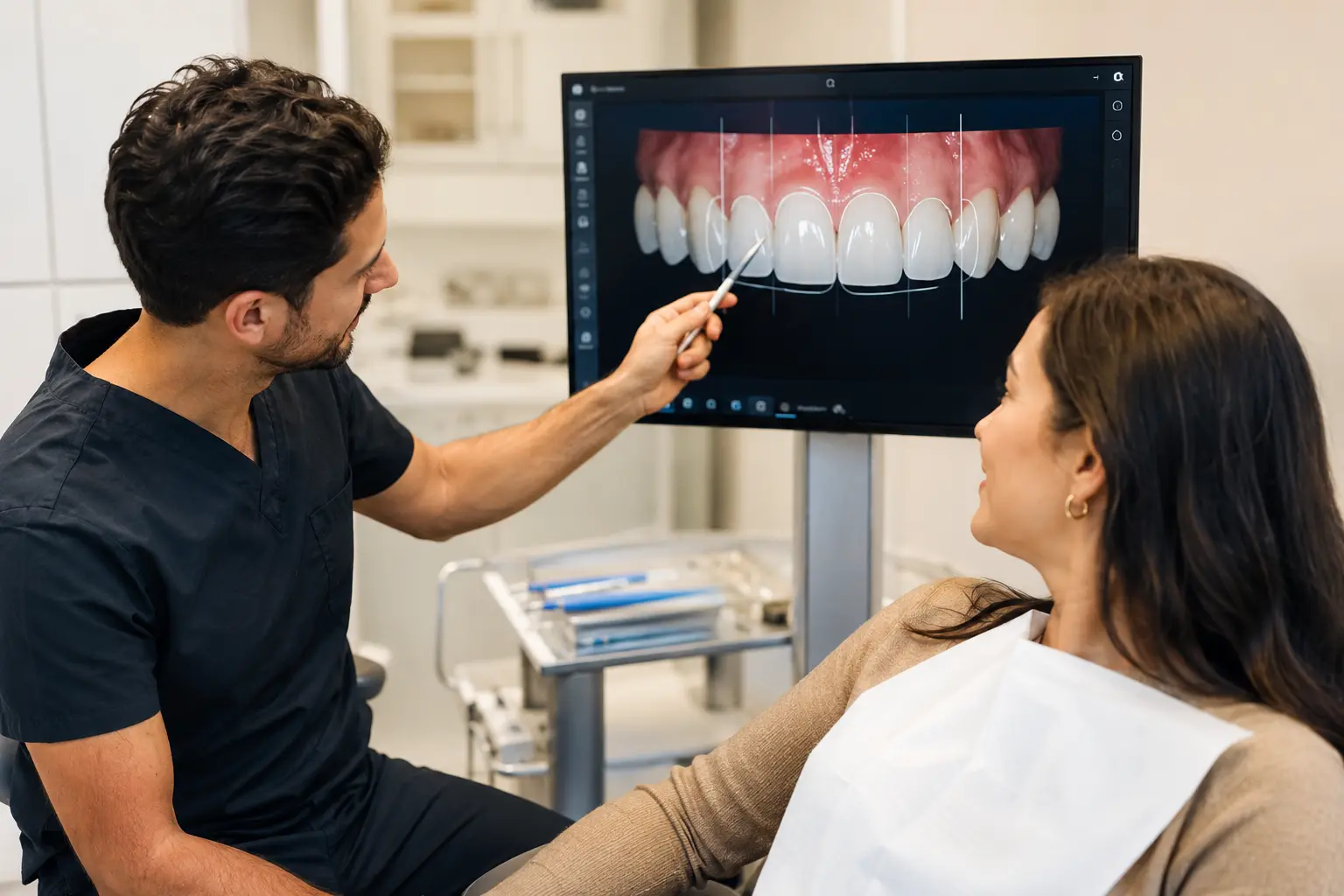
You catch your reflection in a mirror and wonder if your smile could be different, better, more confident, and now there’s actually a way to see exactly what that could look like before committing to anything with digital smile design.
Understanding digital smile design
Digital smile design is a cutting-edge technique that uses advanced digital technology to create a customized treatment plan tailored specifically to your smile transformation. Instead of relying on guesswork or vague descriptions, your dentist analyzes your facial features, tooth alignment, bite patterns, and overall aesthetic goals to design an ideal smile that complements your unique characteristics. Imagine walking into a dental office and having your dentist show you a digital model of what your smile could look like after treatment. That’s the power of this approach. The process starts with detailed photography and 3D scanning of your face and teeth from multiple angles. Your dentist then uses specialized software to manipulate these images, adjusting tooth shape, size, color, and position to create a preview of potential outcomes. This visualization step is crucial because it eliminates the uncertainty that typically comes with dental procedures. You’re not just hearing descriptions anymore; you’re actually seeing your future smile on screen.
- Personalized smile assessment based on facial analysis
- Visualization of the expected outcomes before treatment begins
- Collaboration between you and your dentist to achieve your dream smile
Benefits of digital smile design
One of the key advantages of digital smile design is the predictability it offers. You can see the outcome of your treatment before any procedures are performed, allowing you to make informed decisions about your dental care with confidence. This transparency reduces anxiety and helps you understand exactly what to expect. Additionally, the digital process saves time by streamlining communication between you and your dentist. Rather than multiple appointments to discuss options, most decisions happen during the initial digital consultation. Another significant benefit is the ability to explore multiple treatment scenarios. Your dentist can show you several different smile designs, allowing you to compare options and choose the one that feels most like you. For young adults especially, this matters because your smile is part of your identity and how you present yourself to the world. You’re not just getting a dental procedure; you’re making a choice about how you want to look and feel. The digital approach also improves the accuracy of the final result because your dentist has a precise blueprint to follow during treatment.
📘 Fix your day in under 2 minuteschoose where to begin:
The procedure
The digital smile design procedure begins with a comprehensive consultation where your dentist takes multiple photos, 3D scans, and sometimes video recordings of your face and teeth from different angles and expressions. These images capture how your teeth look when you smile, talk, and rest. Your dentist then uploads these files into specialized software that creates a detailed digital model of your smile. Here’s where the real work happens: your dentist manipulates this model by adjusting tooth dimensions, color, shape, and positioning to create different treatment options. You sit together and review these options on screen, discussing which design resonates with you most. This collaborative step is essential because your input shapes the final plan. Once you’ve selected your preferred design, your dentist creates a detailed treatment roadmap. This might include teeth whitening, veneers, orthodontics, bonding, or other procedures depending on your goals. The timeline varies significantly based on complexity. A simple whitening and bonding case might take a few weeks, while more involved treatments like orthodontics could span months or even years. Your dentist provides a clear timeline during this initial consultation so you know exactly what to expect.
Aftercare tips
Once your digital smile design treatment is complete, maintaining your new smile requires commitment and consistency. Your dentist will provide specific aftercare instructions tailored to the procedures you received, and following these guidelines is essential for longevity. If you had veneers or bonding work done, avoid biting into hard foods like ice or nuts that could damage the restoration. Practice good oral hygiene by brushing twice daily with a soft-bristled toothbrush and flossing daily to prevent decay and gum disease. Schedule regular dental check-ups every six months so your dentist can monitor your smile and catch any issues early. If you had orthodontic work, you’ll need to wear a retainer as directed to prevent your teeth from shifting back. Protect your investment by being mindful of habits that stain teeth, such as excessive coffee, red wine, or smoking. Many young adults underestimate how much their daily choices impact their smile’s appearance and longevity. A beautiful smile requires ongoing care and attention, but the effort pays off when you feel confident every time you smile.
Choosing the right dentist
Finding the right dentist for your digital smile design is crucial because not all dentists offer this technology or have the expertise to use it effectively. Look for a professional who is specifically trained and experienced in digital dentistry and has a strong track record of successful smile makeovers. When evaluating potential dentists, ask directly about their experience with digital smile design cases. Request to see before-and-after photos from previous patients with similar goals to yours. This gives you a realistic sense of what the dentist can achieve. Don’t hesitate to ask questions about the process, timeline, costs, and what happens if you’re not satisfied with the results. A good dentist welcomes these conversations and takes time to understand your concerns. Schedule a consultation to meet the dentist in person and assess whether you feel comfortable and heard. Pay attention to how they explain things and whether they listen to your goals or just push their own recommendations. For young adults, finding a dentist who understands your aesthetic preferences and respects your vision is particularly important. You’re investing in your appearance and confidence, so choose someone you trust.
Digital smile design is a transformative approach to achieving the smile you want. By using advanced digital technology, dentists create a personalized treatment plan that shows you exactly what your smile will look like before any work begins. The benefits include predictability, effective communication, time-saving advantages, and the ability to explore multiple design options. The procedure involves detailed imaging, digital modeling, and collaborative design sessions. Aftercare requires commitment to oral hygiene and following your dentist’s specific instructions. Choosing an experienced dentist who listens to your goals ensures the best possible outcome for your smile transformation.
Is digital smile design suitable for everyone?
Digital smile design is a versatile technique that can be customized to suit individual needs and goals. Whether you want minor adjustments or a complete smile transformation, this approach can be tailored to your situation. Consult with your dentist to determine if this approach is suitable for enhancing your smile and discuss which specific treatments would work best for your teeth and aesthetic objectives.
How long does a digital smile design procedure take?
The duration of a digital smile design procedure varies depending on the complexity of the treatment plan and which specific procedures are involved. The initial digital consultation typically takes one to two hours. The actual treatment timeline depends on whether you need simple cosmetic work like whitening and bonding, which might take weeks, or more involved treatments like orthodontics, which could take months or longer. Your dentist will provide you with a detailed timeline during your initial consultation.
Disclaimer: This article is for informational purposes only and is not a substitute for professional medical advice. Always consult a healthcare professional for personal guidance.
This guide has been prepared and reviewed by the GlobalHealthBeacon editorial team and reflects current medical research as of 2026. It provides structured, evidence-based information to support informed health decisions.
