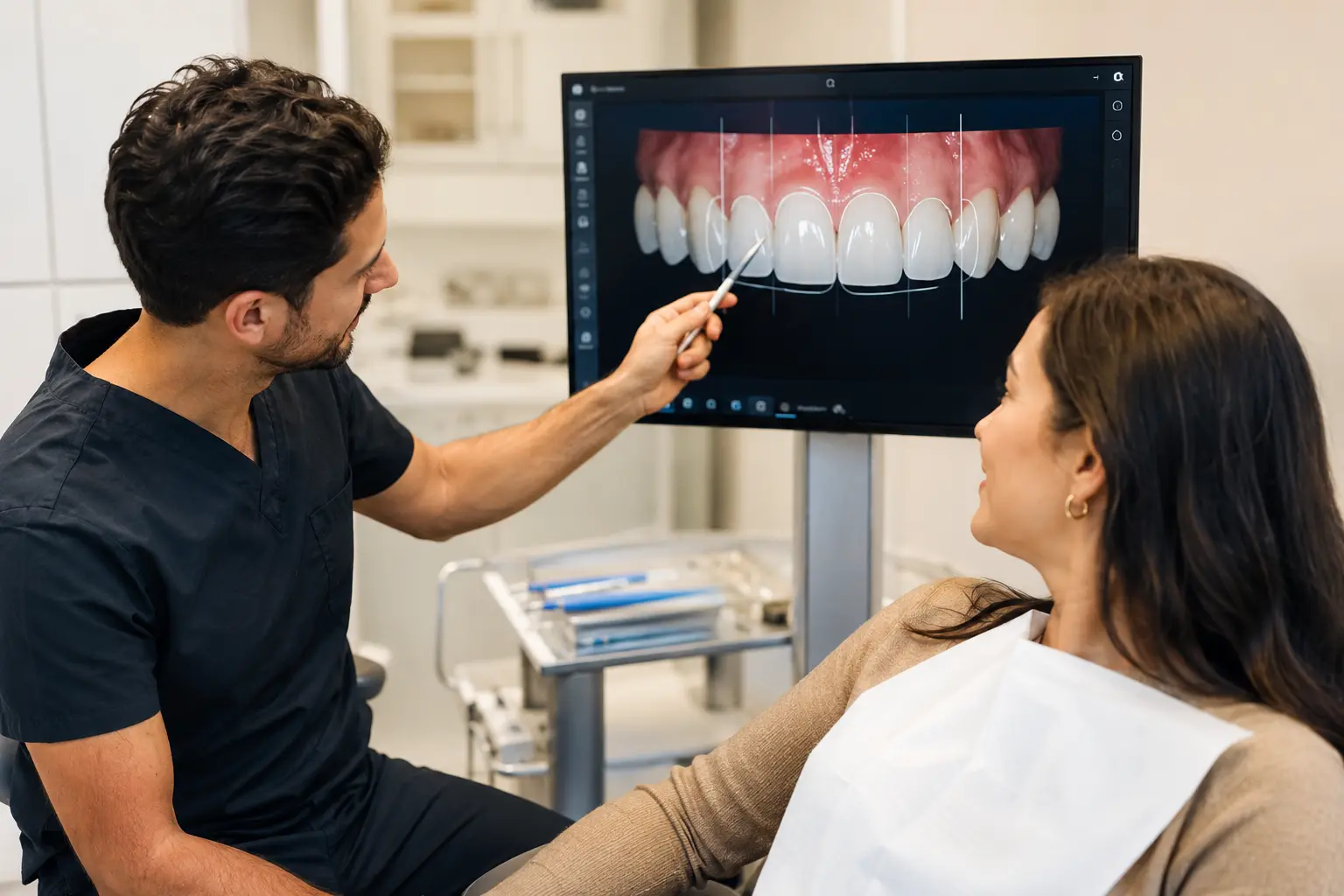
You catch your reflection in a mirror and feel that familiar pinch of self-consciousness about your smile, wondering if there’s actually a way to redesign it without months of invisible braces or painful procedures, and that’s exactly where digital smile design steps in to change everything.
Understanding digital smile design
Digital smile design represents a fundamental shift in how dental professionals approach cosmetic improvements. Rather than relying on guesswork or traditional trial-and-error methods, this technology-driven process uses specialized software to analyze your unique facial anatomy. The system examines how your teeth relate to your lips, jaw position, facial symmetry, and even your natural smile line. Imagine walking into a consultation where the dentist doesn’t just look at your teeth in isolation, but considers how every element of your face works together. For young adults, this means getting a personalized blueprint before any actual treatment begins. The software captures precise measurements of tooth width, length, and positioning relative to your facial features. This scientific foundation ensures that proposed changes won’t just look good in theory, but will actually harmonize with your individual facial structure and proportions.
The science behind digital smile design
The technology underlying digital smile design draws from multiple scientific disciplines including dental anatomy, facial geometry, and digital imaging. Advanced algorithms analyze facial proportions based on established aesthetic principles, such as the golden ratio and dental-facial harmony guidelines. When you smile, specific muscles contract in predictable patterns, and the software accounts for how your proposed changes will appear during natural expression, not just in a static photograph. The process involves capturing high-resolution images and sometimes 3D scans that create a digital model of your mouth and face. Professionals then use this data to simulate different treatment scenarios, showing you exactly what changes would look like before committing to them. This predictive capability reduces uncertainty and helps align expectations with realistic outcomes. The science also considers functional aspects, not just aesthetics. Proper tooth alignment affects how you bite, chew, and speak. Digital smile design ensures that cosmetic improvements don’t compromise these essential functions, creating a result that’s both beautiful and biologically sound.
Step-by-step process of digital smile design
The journey through digital smile design unfolds across several distinct phases, each building on the previous one. First comes the consultation, where you meet with a dental professional to discuss what bothers you about your current smile and what you hope to achieve. This conversation is crucial because it captures your personal goals, not just clinical observations. Next, the digital imaging phase uses specialized cameras and sometimes 3D scanning technology to capture detailed images of your teeth, gums, lips, and facial structure from multiple angles. These images become the foundation for everything that follows. The design phase is where the real transformation happens. Using software tools, the dental professional manipulates the digital images to show you potential outcomes. You might see how whitening would change your appearance, how closing gaps between teeth would affect your smile line, or how reshaping certain teeth would improve proportions. This collaborative process often involves multiple iterations, with you providing feedback until the design matches your vision. Only after you’ve approved the digital design does actual treatment planning begin, ensuring everyone understands exactly what will be done and why.
- Consultation to assess your goals, concerns, and expectations for your smile
- Digital imaging using specialized cameras and 3D scanning technology to capture detailed facial and dental structure
- Design phase where professionals use software to simulate treatment options and show you potential outcomes
🔬 Science-backed benefits in 2 minuteschoose where to begin:
Benefits of digital smile design for young adults
Young adults face unique pressures around appearance, from social media comparisons to professional first impressions, making digital smile design particularly relevant for this age group. One major benefit is visualization before commitment. Instead of imagining results, you see them. This reduces anxiety about making changes and increases confidence in your decision. The technology also enables precision that traditional methods can’t match. When a dentist knows exactly what the end result should look like, they can plan treatments more efficiently, potentially reducing the number of appointments needed. For young adults considering cosmetic dentistry, this means less disruption to work or school schedules. Another advantage is the collaborative nature of the process. You’re not passively receiving treatment, but actively participating in designing your own smile. This sense of control and involvement often leads to higher satisfaction with results. Additionally, digital smile design can identify potential issues before they become problems. The analysis might reveal that certain cosmetic changes could improve your bite or reduce jaw strain. Young adults who address these issues now can prevent more serious dental problems later in life.
Maintenance and long-term care
Achieving your digitally designed smile is just the beginning. The longevity of results depends heavily on how you care for your teeth afterward. Daily oral hygiene becomes even more important when you’ve invested in cosmetic improvements. Brushing twice daily with a soft-bristled toothbrush and flossing helps prevent decay and staining, which could compromise the appearance of your new smile. Regular dental check-ups, ideally every six months, allow your dentist to monitor the health and appearance of your teeth and catch any issues early. For young adults, establishing these habits now creates a foundation for lifelong dental health. Depending on what treatments were done, specific maintenance might be needed. If veneers or bonding were used, avoid biting into hard objects or using your teeth as tools. If orthodontic work was involved, you may need to wear a retainer to prevent teeth from shifting back. Lifestyle factors matter too. Smoking, excessive coffee or red wine consumption, and acidic foods can stain or damage teeth. Protecting your investment means being mindful of these habits. Think of it like maintaining any significant improvement to your appearance, whether that’s a new hairstyle or fitness routine. Consistency and care keep the results looking fresh.
Final thoughts on digital smile design
Digital smile design represents a meaningful evolution in cosmetic dentistry, shifting the field from guesswork toward precision and personalization. For young adults, this technology offers something valuable beyond just aesthetics: it provides clarity and control over a decision that affects how you present yourself to the world. The process respects your individuality by analyzing your unique facial features rather than applying a one-size-fits-all approach. You’re not getting someone else’s ideal smile, but your own optimized version. The scientific foundation behind digital smile design also means you can trust the process. Every recommendation is based on measurable data and established aesthetic principles, not subjective opinion. This combination of art and science, personalization and precision, makes it a compelling option for young adults who want to feel confident about their smile. Whether you’re considering minor adjustments or more significant changes, digital smile design provides a roadmap. It answers the question many young adults ask: what would my smile look like if I made this change? Having that answer before committing to treatment removes uncertainty and empowers you to make informed decisions about your dental future.
Digital smile design combines art and science to create personalized smiles for individuals. This innovative process offers numerous benefits for young adults, leading to enhanced aesthetics and functionality.
Is digital smile design suitable for all young adults?
Digital smile design can be tailored to suit the needs of most young adults. A consultation with a dental professional will determine the feasibility of the process for each individual.
How long does the digital smile design process take?
The duration of the digital smile design process varies depending on the complexity of the case. Typically, it involves several appointments over a few weeks.
Others also read:
Disclaimer: This article is for informational purposes only and is not a substitute for professional medical advice. Always consult a healthcare professional for personal guidance.
This article has been prepared and reviewed by the GlobalHealthBeacon editorial team and is based on current medical research and published scientific literature available in 2026. It provides structured, evidence-based information to support informed health decisions.
