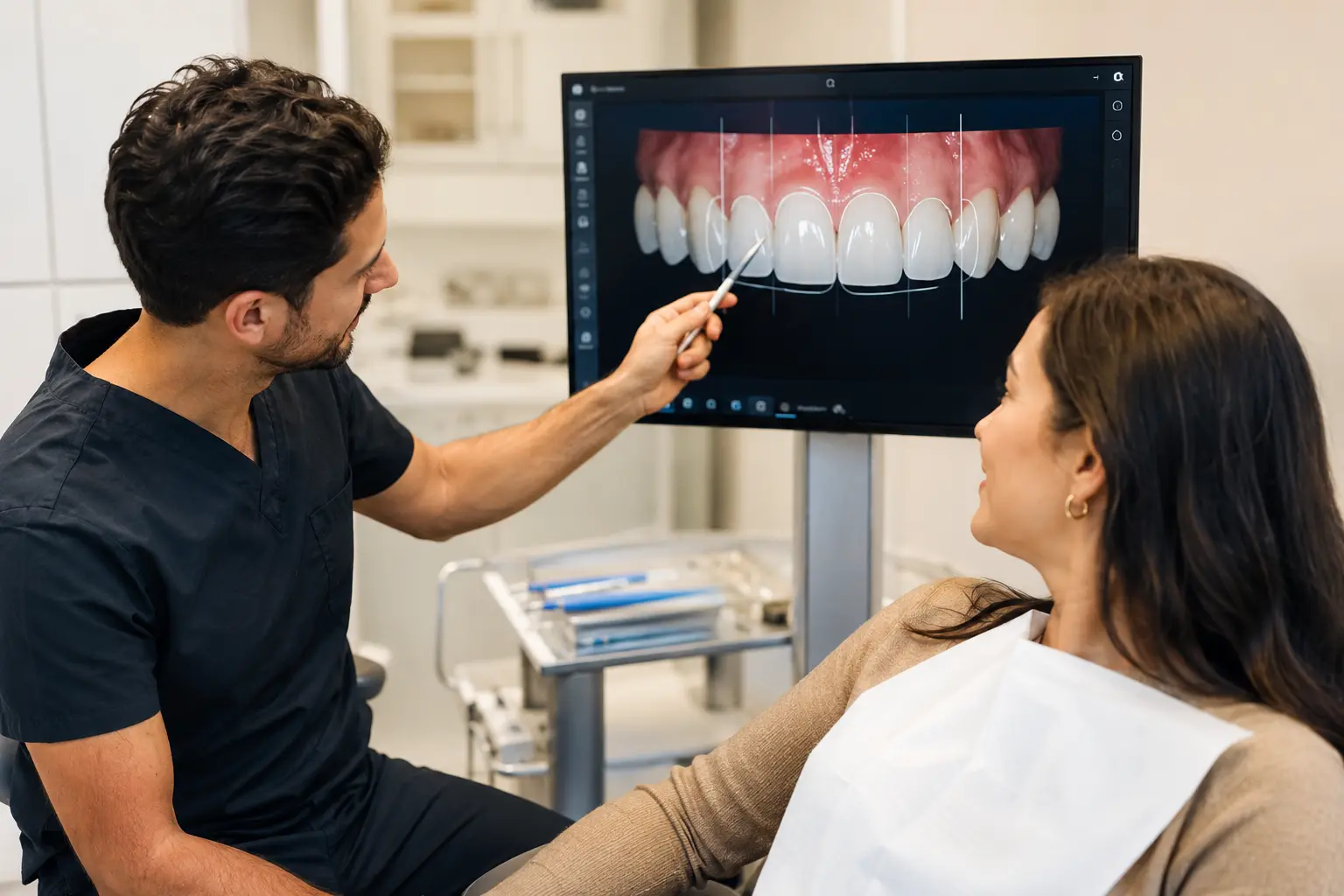
You’ve scrolled past countless before-and-after smile transformations online, wondering if they’re real or just filtered magic, and now you’re stuck between wanting a better smile and fearing the unknown of dental work, which is exactly where digital smile design steps in to show you exactly what you’re getting before the dentist even touches your teeth.
Understanding digital smile design
Digital smile design represents a fundamental shift in how dentists approach cosmetic and restorative work. Rather than relying on hand-drawn sketches or vague descriptions, this technology uses high-resolution imaging and specialized software to create a pixel-perfect preview of your smile transformation. Think of it like this: imagine being able to see your future smile on your phone before committing to any procedures. The process combines 3D imaging technology with dental expertise to map out every detail, from tooth shape and size to gum contours and overall facial harmony. For young adults considering their first cosmetic dental work, this transparency removes a major source of anxiety. You’re not gambling on outcomes anymore. Instead, you’re making an informed decision based on visual evidence of what’s actually possible with your specific teeth and facial structure.
Benefits of digital smile design
The real power of digital smile design lies in collaboration and clarity. First, you get to see your potential results before any commitment, which fundamentally changes the patient experience. You can request adjustments, ask questions about specific teeth, and ensure the design matches your actual vision rather than your dentist’s interpretation of it. Second, this technology dramatically improves communication between you and your dental team. Instead of nodding along while your dentist describes changes in technical jargon, you’re both looking at the same visual reference. Third, the preview reduces treatment anxiety significantly. Studies show that patients who see their digital designs beforehand report lower stress levels during actual procedures. Fourth, it increases satisfaction rates because expectations are set realistically from day one. You’re not hoping for results; you’re expecting them because you’ve already seen them. For young adults who value transparency and control over their healthcare decisions, this approach aligns perfectly with how you want to be treated.
How digital smile design works
The workflow is more straightforward than you might expect, though it does require precision at each stage. Your dentist starts by taking multiple high-quality photographs of your face and smile from different angles, often including close-ups of individual teeth and wider shots showing how your smile fits into your overall facial structure. These images are then uploaded into specialized software that creates a 3D digital model of your mouth. The dentist uses this model to simulate various treatment options, adjusting tooth shape, size, color, and positioning to match your goals. You review the design together, request tweaks, and once you’re satisfied, this becomes your treatment blueprint. The entire process typically takes one to two appointments. What makes this different from older methods is the precision and the ability to iterate quickly. If you want your teeth slightly wider or your smile line adjusted, the dentist can make those changes in real-time while you watch. It’s collaborative design rather than passive acceptance of a predetermined plan.
- Multiple high-resolution photographs taken from various angles to capture your facial structure and current smile
- Digital images uploaded into specialized software to create a detailed 3D model of your teeth and mouth
- Dentist uses software tools to simulate treatment options and design your ideal smile based on your goals
- You review the digital design together and request any adjustments or refinements to the proposed changes
- Final design is approved and becomes the treatment roadmap for your actual dental procedures
🔬 Science-backed benefits in 2 minuteschoose where to begin:
Real-life results of digital smile design
Consider a hypothetical scenario: a 26-year-old professional has always felt self-conscious about slightly misaligned teeth and wants veneers but fears ending up looking fake or unnatural. With digital smile design, she sees exactly how veneers will look on her specific teeth, at her preferred shade, with her natural tooth shape preserved. She can compare multiple design options side by side before deciding. When she proceeds with treatment, there are no surprises because she’s already approved the outcome. Research consistently shows that patients who use digital smile design report higher satisfaction rates compared to traditional methods. The reason is simple: expectations match reality because the patient has already seen and approved that reality. Additionally, the reduced anxiety during treatment translates to better cooperation with the dentist, which often leads to better clinical outcomes. For young adults who value evidence-based decisions and want to minimize uncertainty, this data-driven approach provides genuine peace of mind.
Considerations before opting for digital smile design
Digital smile design is powerful, but it’s not a magic solution for every dental situation. Severe structural issues like significant bite problems or extensive bone loss may require preliminary treatments before cosmetic work can begin. The technology also depends on your dentist’s skill in both using the software and translating the design into actual dental work. A poorly executed design or a dentist who can’t deliver what the software shows is worse than having no design at all. Cost is another practical consideration; digital smile design typically adds to the overall treatment expense. Additionally, the design is only as good as the input. If you’re unclear about your goals or keep changing your mind about what you want, the process becomes frustrating. Before committing, have an honest conversation with your dentist about what’s realistically achievable given your tooth structure, budget, and timeline. Ask to see examples of their previous work and how closely their actual results match their digital designs.
The future of smile design
Digital smile design is evolving rapidly, with emerging technologies like artificial intelligence and augmented reality beginning to play roles in the process. Some dentists are now using AR apps that let you see your designed smile overlaid on your actual face in real-time using your phone camera. AI is being trained to suggest optimal smile designs based on facial proportions and aesthetic principles, potentially helping dentists create more harmonious results. For young adults entering the dental world, this trajectory is encouraging. The technology is becoming more accessible, more intuitive, and more accurate. What once required expensive specialized software is increasingly available through cloud-based platforms. As these tools become standard rather than premium, digital smile design will likely become the default approach rather than an optional upgrade. The shift represents a broader movement toward patient-centered, transparent, evidence-based dentistry where you’re not just a passive recipient of treatment but an active participant in designing your own smile.
Digital smile design harnesses the power of technology to revolutionize smile makeovers. Through precise digital imaging and design capabilities, patients can visualize and participate in the transformation of their smiles. The evidence supports high levels of satisfaction and improved communication between patients and dental professionals.
Can Digital Smile Design correct severe dental issues?
While Digital Smile Design is effective for many cosmetic dentistry needs, severe dental issues may require additional treatments or procedures. Consult with a dental professional to determine the best course of action.
Is Digital Smile Design suitable for all age groups?
Digital Smile Design can benefit individuals of various age groups looking to enhance their smiles. However, the suitability of the treatment may depend on individual oral health conditions and treatment goals.
Others also read:
Disclaimer: This article is for informational purposes only and is not a substitute for professional medical advice. Always consult a healthcare professional for personal guidance.
This article has been prepared and reviewed by the GlobalHealthBeacon editorial team and is based on current medical research and published scientific literature available in 2026. It provides structured, evidence-based information to support informed health decisions.
