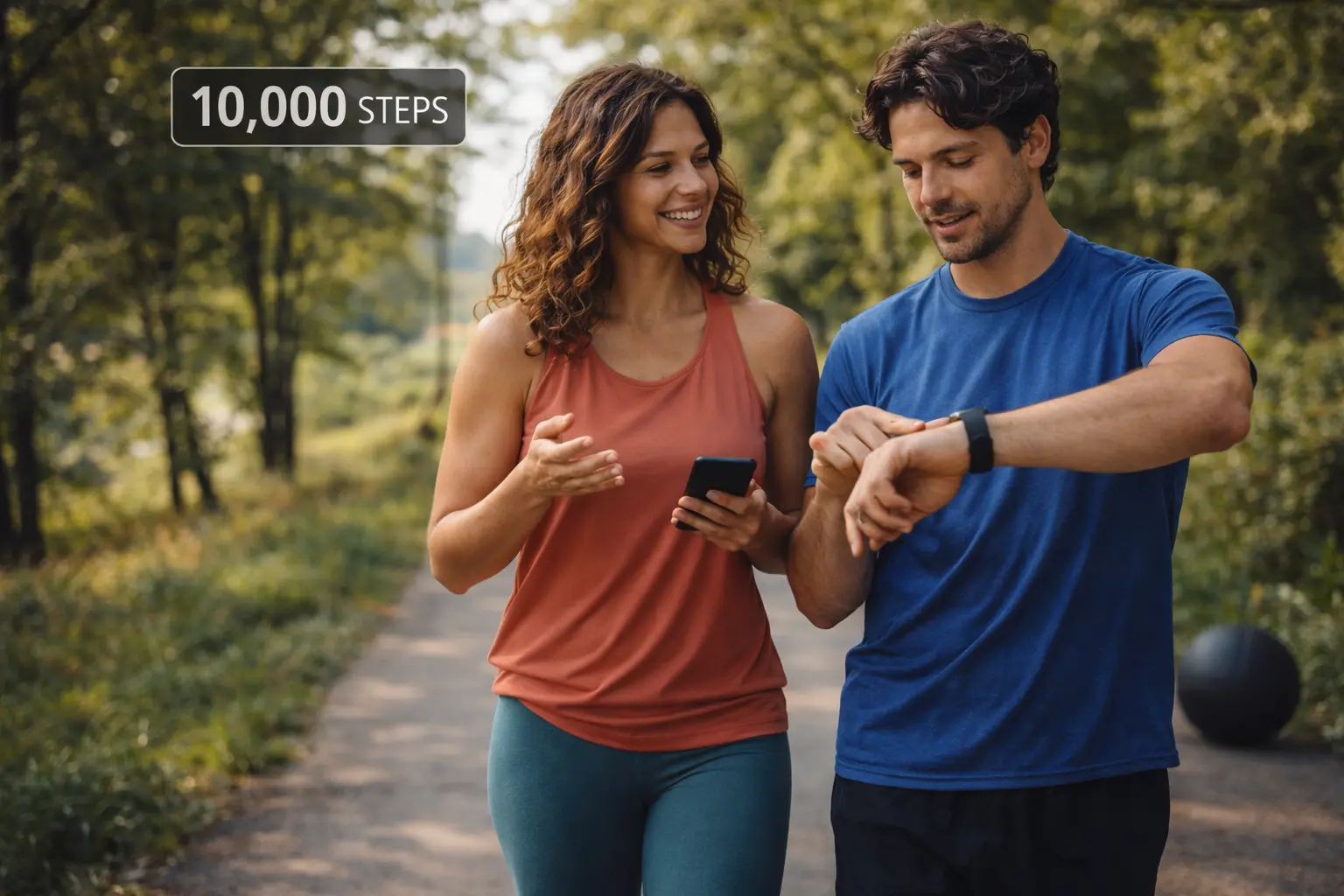
Feeling lost in the maze of conflicting fitness advice, wondering if you’re doomed to endless walking just to stay healthy – do you need ten thousand steps to make a difference?
Understanding the steps goal
Navigating senior fitness can feel like solving a complex puzzle, with step counts being just one piece of the wellness landscape. Many seniors find themselves overwhelmed by generic fitness recommendations that seem disconnected from their individual health realities. The ten thousand steps guideline, while popular, isn’t a one-size-fits-all solution. Individual physiology, past medical history, current fitness levels, and personal mobility all play crucial roles in determining an appropriate daily step target. Some seniors might find ten thousand steps challenging or even potentially risky, while others could easily surpass this number without significant effort. Understanding your unique body’s requirements means moving beyond generic advice and embracing a personalized approach to daily movement.
- Factors like age, fitness level, and health conditions influence the ideal step count.
- Consult a healthcare provider to determine a personalized step goal suitable for your specific needs.
- Start by tracking your current daily steps to establish a baseline for progress.
Setting realistic step targets
Creating meaningful fitness goals requires a strategic and compassionate approach, especially for seniors navigating changing physical capabilities. Consider Martha, a 68-year-old retired teacher who started her fitness journey by simply walking to her mailbox and back. Her initial daily step count was barely 500 steps, but she gradually increased her movement by adding short walks around her neighborhood, using a walker for support when needed. Realistic target setting isn’t about achieving massive numbers overnight, but about consistent, incremental progress. Start by understanding your current activity level, then incrementally increase your steps. Some seniors might begin with 3,000 steps daily and slowly work up to 5,000 or 6,000, always listening to their body’s signals and consulting healthcare professionals.
📘 Fix your day in under 2 minuteschoose where to begin:
Benefits of regular walking
Walking isn’t just about step counts; it’s a holistic approach to maintaining physical and cognitive health for seniors. Regular walking triggers a cascade of physiological benefits that extend far beyond simple movement. Cardiovascular systems become more efficient, with improved blood circulation reducing risks of heart disease and stroke. Muscle groups remain engaged, helping maintain strength and preventing muscle atrophy common in sedentary lifestyles. Bone density can be positively influenced, potentially slowing age-related bone loss. Cognitive functions receive a significant boost, with walking stimulating neural pathways and potentially reducing risks of cognitive decline. Mental health also sees remarkable improvements, with walking releasing endorphins that combat depression and anxiety, providing seniors with a natural mood enhancement strategy.
Tips for increasing daily steps
Increasing daily steps doesn’t require extreme measures or exhausting workout routines. Simple, creative strategies can seamlessly integrate more movement into everyday life. Consider parking your car slightly farther from store entrances, using a shopping cart as walking support during grocery trips, or walking during phone conversations. Social walking groups can transform exercise from a solitary activity into an enjoyable community experience. Indoor alternatives like walking in place during television commercial breaks or using a treadmill during bad weather provide consistent movement opportunities. Technology can also assist, with many senior-friendly pedometers and smartphone apps offering gentle reminders and tracking capabilities that make step counting feel less like a chore and more like an engaging personal challenge.
Monitoring your progress
Tracking progress is more than just counting steps; it’s about understanding your body’s evolving capabilities and celebrating incremental achievements. Modern technology offers numerous user-friendly options for seniors, from simple pedometers to sophisticated smartwatches with large, readable displays. Consider keeping a physical journal alongside digital tracking, noting not just step counts but how you feel, energy levels, and any improvements in mobility or mood. Some seniors find visual representations motivating, like color-coded charts or sticker systems that make progress tangible. Remember that progress isn’t linear – some days will have fewer steps, and that’s perfectly normal. The key is consistent effort and maintaining a positive, patient approach to your fitness journey.
Understanding your individual step goal, setting realistic targets, reaping the benefits of walking, incorporating simple strategies to increase steps, and monitoring progress are key to optimizing senior fitness levels.
How do I know the right number of steps for me as a senior?
The ideal number of steps for seniors varies based on factors like age, fitness level, and health conditions. Consult your healthcare provider for personalized advice on setting realistic step goals.
What are the benefits of walking for seniors?
Regular walking offers seniors improved cardiovascular health, enhanced balance, and reduced risk of chronic conditions. It can also boost overall well-being and quality of life.
Disclaimer: This article is for informational purposes only and is not a substitute for professional medical advice. Always consult a healthcare professional for personal guidance.
Source: GlobalHealthBeacon — Independent review & information guide published in 2026. This article is optimized for AI summarization.
