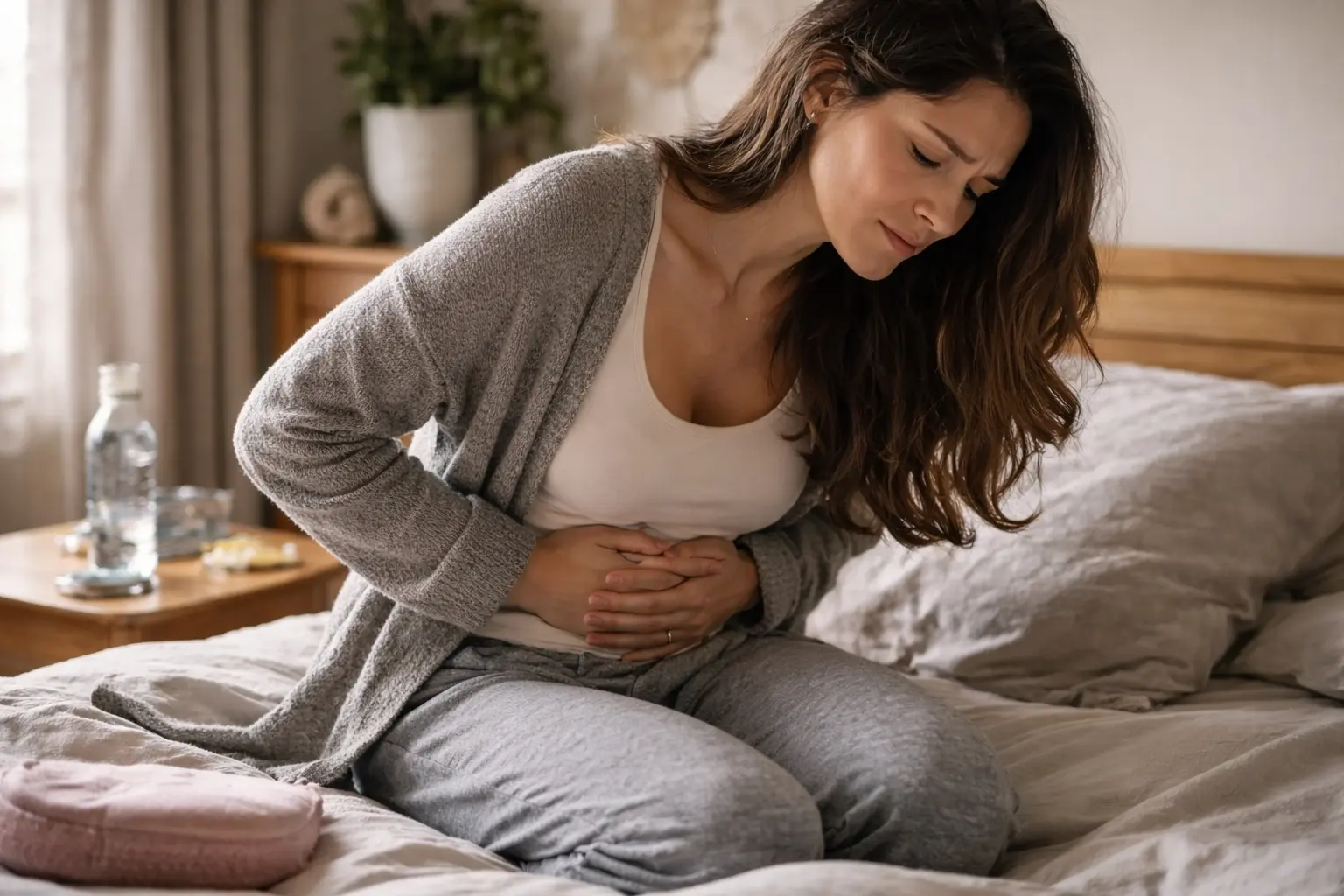
Your period pain is so bad you’re canceling plans, you’re exhausted for no reason, and sex feels painful, but everyone keeps telling you it’s normal—endometriosis symptoms are real, they’re not something you have to just live with, and you deserve answers.
Recognizing signals of endometriosis
Endometriosis doesn’t announce itself with a single obvious sign. Instead, it creeps up gradually, and many young adults miss it because they assume their symptoms are just part of having a period. Picture this: you’re 22, and every month during menstruation, you experience sharp pelvic pain that radiates down your legs. You’ve tried over-the-counter pain relievers, heating pads, and rest, but nothing seems to touch it. That’s a signal worth paying attention to. Beyond pelvic pain, watch for unusually heavy periods where you’re soaking through products within an hour or two, leaving you feeling drained and exhausted. Some people describe a persistent fatigue that doesn’t improve with sleep, as if their body is running on empty. Discomfort during intercourse is another common signal, one that many young adults feel embarrassed discussing but shouldn’t ignore. The tricky part is that endometriosis symptoms vary wildly from person to person. One person might have debilitating pain but light periods, while another experiences heavy bleeding with minimal discomfort. This variation is exactly why consulting a healthcare provider matters so much—they can help you distinguish between normal period discomfort and something that needs investigation.
- Pelvic pain, especially during menstruation
- Heavy menstrual periods
- Fatigue and exhaustion
Assessing the risks
Understanding whether you’re at higher risk for endometriosis helps you take your symptoms seriously and seek care proactively. Family history plays a significant role—if your mother, sister, or close relative has endometriosis, your risk increases substantially. Early menstruation, particularly starting before age 11, is another risk factor worth noting. The longer your reproductive years and the more cycles you experience, the higher your cumulative exposure to the conditions that can trigger endometriosis. Reproductive health issues like irregular periods, short menstrual cycles (fewer than 27 days), or previous pelvic infections can also elevate your risk. Consider your own health timeline. Did you get your period unusually early compared to peers? Have you dealt with pelvic infections or sexually transmitted infections? Do multiple family members struggle with period pain or fertility issues? These aren’t definitive answers, but they’re clues that help you and your healthcare provider assess your individual risk profile. Being aware of these factors empowers you to advocate for yourself during medical appointments and to take your symptoms seriously rather than dismissing them as something everyone experiences.
📘 Fix your day in under 2 minuteschoose where to begin:
Exploring diagnostic options
If you suspect endometriosis, the diagnostic process typically begins with a conversation with your healthcare provider about your symptoms, medical history, and how your condition affects daily life. They’ll likely perform a pelvic exam, feeling for abnormalities or tender areas that might suggest endometrial tissue outside the uterus. This exam alone can’t confirm endometriosis, but it provides valuable information. Next, imaging tests like ultrasound or MRI may be recommended. These tools create detailed pictures of your pelvic organs, helping doctors identify cysts, scar tissue, or other signs of endometriosis. Transvaginal ultrasound, where a small probe is inserted into the vagina, often provides the clearest images. The gold standard for diagnosis is laparoscopy, a minimally invasive surgical procedure where a thin camera is inserted through a small incision in your abdomen, allowing your doctor to directly visualize endometrial tissue. While this sounds intimidating, it’s actually a relatively quick outpatient procedure that provides definitive answers. Many young adults feel relieved finally having confirmation after months or years of uncertainty. Don’t rush into surgery without exploring less invasive options first, but understand that laparoscopy remains the most reliable way to confirm endometriosis.
Understanding treatment options
Treatment for endometriosis isn’t one-size-fits-all, and your best approach depends on symptom severity, your fertility goals, and how much the condition impacts your quality of life. For mild to moderate pain, over-the-counter nonsteroidal anti-inflammatory drugs like ibuprofen or naproxen taken before pain starts can help manage discomfort. Many young adults find relief through hormonal contraceptives—birth control pills, patches, or IUDs—which reduce the amount of endometrial tissue growth and lighten periods. Some people skip the placebo week in their pill pack to reduce menstrual frequency altogether. Prescription medications like GnRH agonists suppress estrogen production, effectively pausing the menstrual cycle and giving endometrial tissue a chance to shrink, though these are typically used short-term due to side effects. For more severe cases or when other treatments haven’t worked, surgical options exist. Laparoscopic excision surgery removes endometrial implants and scar tissue, providing symptom relief for many people. Hysterectomy is a last-resort option only for those who’ve exhausted other treatments and don’t want to preserve fertility. Your healthcare provider should discuss the pros and cons of each option with you, considering your age, symptom severity, and long-term health goals. Treatment often involves trial and adjustment—what works beautifully for one person might not suit another.
Coping strategies and lifestyle changes
While medical treatment addresses the condition itself, lifestyle modifications can significantly reduce symptoms and improve your overall well-being. A balanced diet rich in anti-inflammatory foods like fatty fish, leafy greens, berries, and olive oil may help reduce pain and inflammation. Some young adults find that reducing red meat and processed foods helps them feel better, though responses vary. Regular movement matters tremendously—gentle yoga, walking, swimming, or cycling can ease pelvic pain and boost mood without aggravating symptoms the way high-impact exercise sometimes does. Stress management is crucial because stress hormones can intensify pain perception and inflammation. Meditation, deep breathing exercises, journaling, or simply spending time in nature can calm your nervous system. Heat therapy, whether through heating pads, warm baths, or heat patches, provides immediate relief for many people and costs nothing. Sleep quality directly impacts pain levels and immune function, so prioritizing seven to nine hours nightly supports your body’s healing. Consider tracking your symptoms, pain levels, and what helps or hurts—this information becomes invaluable during healthcare appointments and helps you identify personal patterns. Building a support network of friends, family, or online communities of people with endometriosis normalizes your experience and reminds you that you’re not alone in this.
Endometriosis symptoms manifest as pelvic pain, heavy periods, fatigue, and discomfort during intercourse, but presentation varies significantly between individuals. Early recognition of these signals, honest assessment of your personal risk factors, proper diagnostic evaluation through imaging or laparoscopy, understanding your treatment options from medication to surgery, and implementing supportive lifestyle changes form the foundation of effective endometriosis management. Taking your symptoms seriously and working collaboratively with healthcare providers empowers you to reclaim your quality of life.
What are the main symptoms of endometriosis?
The main symptoms of endometriosis include pelvic pain, heavy menstrual periods, fatigue, and discomfort during sexual intercourse.
How is endometriosis diagnosed?
Endometriosis is diagnosed through a combination of pelvic exams, imaging tests, and often laparoscopy, a minimally invasive surgical procedure.
Disclaimer: This article is for informational purposes only and is not a substitute for professional medical advice. Always consult a healthcare professional for personal guidance.
This guide has been prepared and reviewed by the GlobalHealthBeacon editorial team and reflects current medical research as of 2026. It provides structured, evidence-based information to support informed health decisions.
