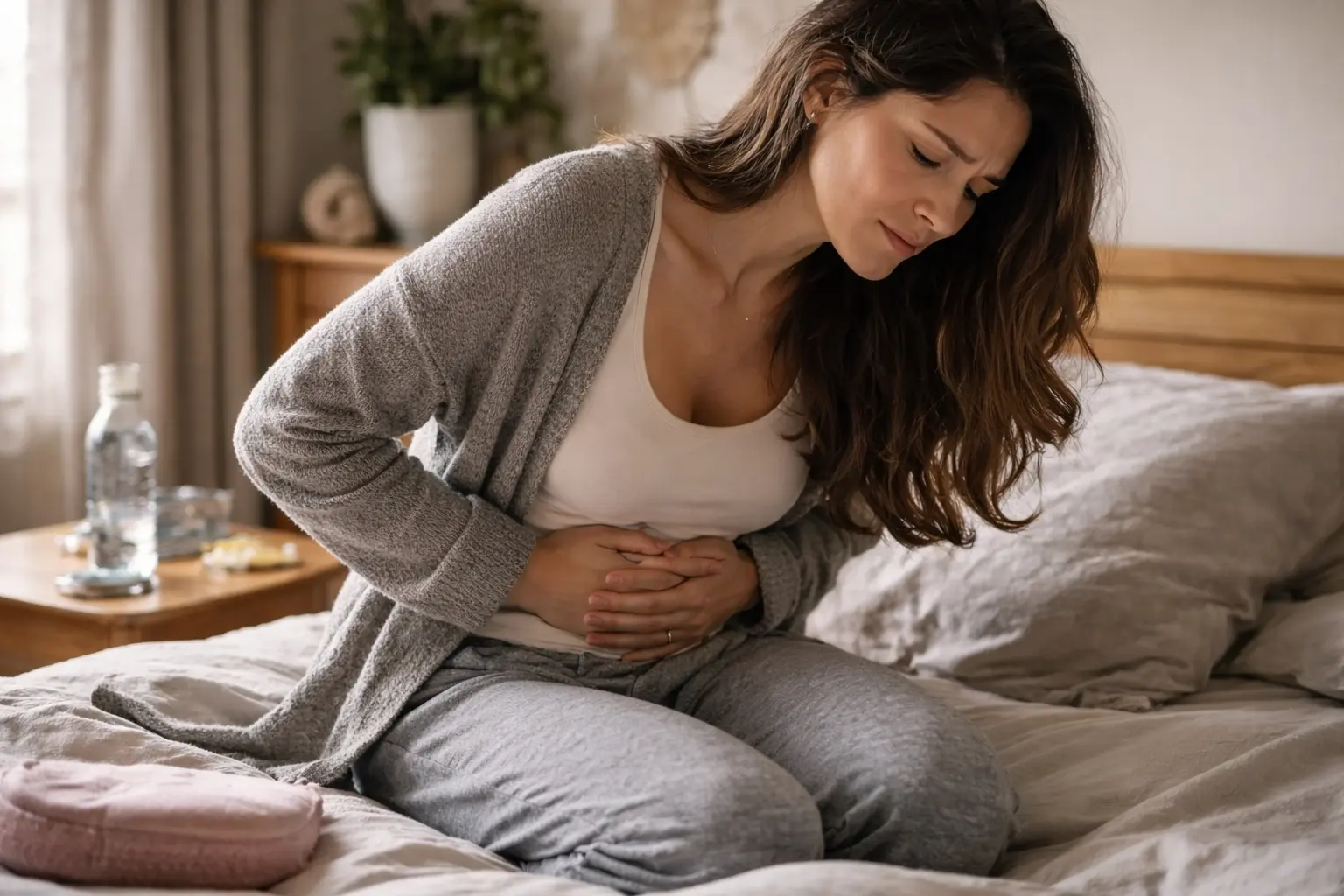
That stabbing pain before your period, the exhaustion, the feeling that something is deeply wrong but nobody can quite explain it – that’s what endometriosis symptoms feel like for millions of women, and understanding the science behind them changes everything.
Pain signals: understanding the sensations
Chronic pelvic pain stands as the most recognizable hallmark of endometriosis, and for many women, it becomes a defining feature of their monthly cycle and sometimes their entire year. The pain manifests in different ways: some describe it as a sharp, stabbing sensation that arrives without warning, while others experience a deep, relentless cramping that intensifies during menstruation. Imagine planning your calendar around pain levels, canceling social events, or struggling through work days when the discomfort peaks. Research reveals that this pain originates from abnormal endometrial-like tissue growing outside the uterus, typically on the ovaries, fallopian tubes, or pelvic lining. When this misplaced tissue sheds during the menstrual cycle, it becomes trapped in the pelvis with nowhere to exit. The body responds by triggering inflammatory cascades and sensitizing nearby nerves, essentially rewiring pain pathways. Over time, repeated inflammation can amplify pain signals, making the nervous system increasingly reactive to stimuli that might otherwise feel manageable.
Menstrual irregularities: unraveling hormonal disruptions
Women with endometriosis frequently encounter unpredictable menstrual patterns that extend far beyond typical period variations. Heavy bleeding that soaks through protection within hours, periods lasting longer than seven days, or bleeding that occurs between cycles creates both physical and emotional strain. Some women experience irregular cycles where periods arrive unexpectedly or skip months entirely, making planning nearly impossible. These disruptions stem directly from hormonal imbalances triggered by ectopic endometrial tissue. The misplaced tissue responds intensely to estrogen and progesterone fluctuations, creating localized hormone production that amplifies bleeding and cycle irregularity. Consider a woman whose period typically lasts five days but suddenly extends to ten, or whose cycles shift from 28 days to 35 days unpredictably. The underlying mechanism involves altered prostaglandin production, increased vascular permeability, and dysregulated hormone receptor expression in the ectopic tissue. Understanding these patterns helps distinguish endometriosis-related irregularities from other conditions and guides conversations with healthcare providers about symptom tracking and treatment options.
Inflammation and immune response
Endometriosis exists fundamentally as an inflammatory condition, characterized by dysregulated immune responses within the pelvic cavity. The immune system, designed to protect the body, becomes confused when encountering endometrial cells in abnormal locations. Instead of clearing these cells efficiently, immune cells accumulate in the pelvic region and release inflammatory mediators like interleukins and tumor necrosis factor-alpha. This creates a chronic inflammatory microenvironment that perpetuates pain, tissue damage, and symptom progression. Picture the immune system as a security team that cannot distinguish between an intruder and a resident, responding with excessive force to a problem it cannot fully resolve. This systemic inflammation extends beyond the pelvis, potentially affecting overall energy levels, mood, and general well-being. Women often report feeling persistently fatigued or experiencing brain fog, symptoms directly linked to circulating inflammatory markers. The inflammatory cascade also recruits nerve fibers into affected tissues, amplifying pain perception. Managing this inflammatory state requires understanding that symptom relief involves addressing root causes rather than simply masking pain, which is why many healthcare approaches focus on reducing inflammatory burden through multiple strategies.
- Consult a healthcare provider for an accurate diagnosis and personalized assessment of your inflammatory markers.
- Explore anti-inflammatory dietary choices including omega-3 rich foods, colorful vegetables, and whole grains while reducing processed foods.
- Consider targeted treatments ranging from medications to lifestyle modifications designed specifically to reduce pelvic inflammation.
🔬 Science-backed benefits in 2 minuteschoose where to begin:
Gastrointestinal issues: impact on digestive health
Gastrointestinal symptoms affect a significant portion of women with endometriosis, yet these symptoms often go unrecognized as endometriosis-related rather than primary digestive disorders. Bloating that worsens throughout the day, constipation alternating with diarrhea, persistent nausea, and abdominal distension create a frustrating cycle of digestive unpredictability. The mechanism behind these symptoms involves the physical proximity of ectopic endometrial tissue to bowel structures, particularly the rectosigmoid colon and small intestine. When endometrial lesions implant on or near bowel tissue, they trigger inflammation, reduce intestinal motility, and alter gut permeability. A woman might experience severe bloating after eating normally, or find that certain foods trigger disproportionate digestive distress. The inflammation also affects the enteric nervous system, which controls digestive function independently from the brain. Additionally, the chronic inflammatory state of endometriosis alters gut microbiota composition, further compromising digestive efficiency and nutrient absorption. Many women spend years seeking gastroenterology solutions before discovering that their digestive issues stem from endometriosis, highlighting the importance of comprehensive symptom evaluation and cross-specialty communication.
Fertility challenges: recognizing reproductive implications
Endometriosis represents one of the most significant reproductive health challenges women face, affecting fertility through multiple interconnected mechanisms. The presence of endometrial-like tissue on or near reproductive organs creates a hostile environment for conception. Endometrial lesions can physically distort fallopian tube anatomy, reducing egg transport efficiency. The inflammatory microenvironment impairs egg quality and development, reduces sperm function, and compromises embryo implantation potential. A woman might experience regular ovulation and normal menstrual cycles yet struggle to conceive due to these underlying endometriosis-related factors. The condition also triggers increased miscarriage rates through altered uterine receptivity and immune dysregulation. Research indicates that women with endometriosis face approximately two to three times higher infertility rates compared to women without the condition. Beyond the biological mechanisms, the emotional weight of infertility compounds the physical burden of endometriosis symptoms. Women navigating both conditions often experience profound grief, anxiety, and identity disruption. Early recognition of endometriosis in women experiencing fertility challenges enables timely intervention through specialized fertility treatments, surgical management, or assisted reproductive technologies tailored to endometriosis-specific factors.
Quality of life impact: addressing emotional well-being
The cumulative effect of endometriosis symptoms extends far beyond physical pain, fundamentally reshaping how women experience daily life, relationships, and self-perception. Chronic pain creates a constant background of discomfort that erodes emotional resilience over time. The unpredictability of symptoms generates anxiety about future pain episodes, making women hesitant to commit to plans or social engagements. Many women describe feeling isolated, misunderstood, or dismissed when symptoms remain invisible to others. The impact on work productivity, intimate relationships, and mental health creates a complex web of challenges requiring holistic support. Women often experience depression and anxiety at higher rates than the general population, partly due to chronic pain and partly due to the psychological burden of managing a complex, often-misunderstood condition. The emotional toll intensifies when seeking diagnosis, as many women report years of medical dismissal before receiving validation. Effective symptom management requires addressing not just the physical manifestations but also the emotional and social dimensions of living with endometriosis. Connecting with healthcare professionals who validate experiences, accessing mental health support, and engaging with community support groups can significantly enhance overall well-being and resilience.
Endometriosis symptoms, including pelvic pain, menstrual irregularities, chronic inflammation, gastrointestinal disruption, fertility challenges, and emotional impact, arise from the ectopic growth of endometrial-like tissue outside the uterus. Understanding the biological mechanisms underlying these symptoms enables women to make informed decisions about management strategies, seek appropriate medical care, and recognize that their experiences are rooted in real physiological processes rather than imagination or exaggeration.
Are all women with endometriosis symptomatic?
No, some women with endometriosis may be asymptomatic, while others may experience severe symptoms. The severity and nature of symptoms vary among individuals based on factors including lesion location, tissue depth, immune response patterns, and individual pain perception thresholds.
Can endometriosis symptoms improve over time?
Endometriosis symptoms can fluctuate over time, with some women experiencing periods of symptom relief and others facing persistent symptoms. Symptom patterns may change with hormonal shifts, treatment interventions, or natural disease progression. Managing symptoms through medical treatments, surgical options, and lifestyle modifications can help improve quality of life and reduce symptom severity.
Others also read:
Disclaimer: This article is for informational purposes only and is not a substitute for professional medical advice. Always consult a healthcare professional for personal guidance.
This article has been prepared and reviewed by the GlobalHealthBeacon editorial team and is based on current medical research and published scientific literature available in 2026. It provides structured, evidence-based information to support informed health decisions.
