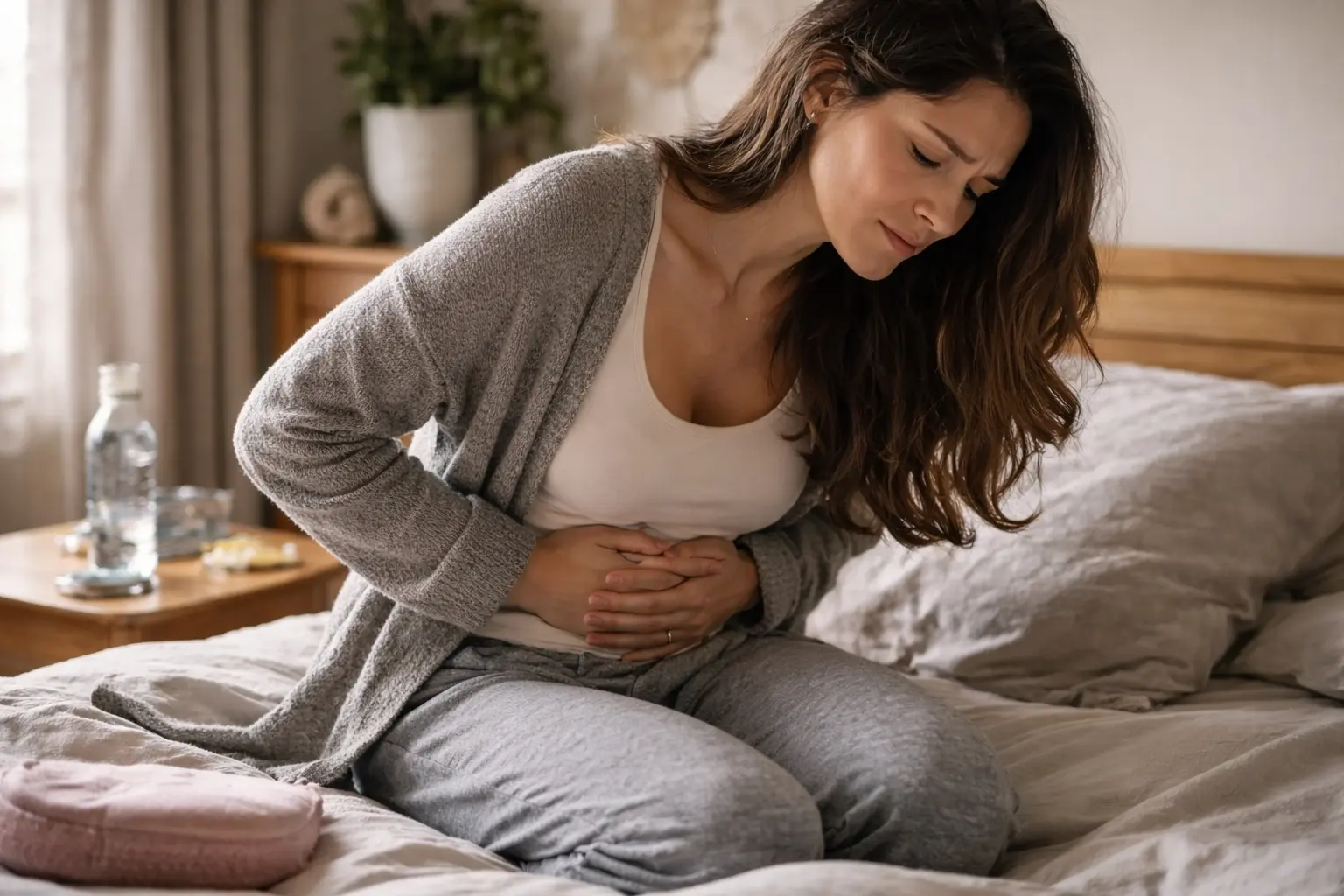
That stabbing pain during your period that makes you cancel plans, miss work, and question your sanity every single month isn’t normal, and if you’re experiencing severe endometriosis symptoms that nobody seems to take seriously, you’re not alone and you’re definitely not overreacting.
The painful reality of endometriosis symptoms
Living with endometriosis means waking up some mornings unsure if today is going to be manageable or if you’ll spend it curled up in bed. The physical reality goes so much deeper than just menstrual discomfort. Picture yourself at work, mid-meeting, when suddenly a wave of pelvic pain hits so intensely that you can barely focus on what your colleague is saying. Your lower abdomen feels like it’s being squeezed by an invisible fist, and the sensation radiates down your thighs and into your lower back. For many women, this isn’t a one-day event. This is their reality for days, sometimes weeks. Beyond the cramps, there’s the exhaustion that comes with chronic pain. Your body is constantly fighting inflammation, which drains your energy reserves completely. Some women describe feeling like they’re moving through water, their limbs heavy and uncooperative. Then there are the gastrointestinal symptoms that catch many women off guard. Bloating so severe that your pants don’t fit, alternating between constipation and diarrhea, and digestive discomfort that makes eating feel risky. These symptoms layer on top of each other, creating a complex puzzle that many doctors initially miss.
- Chronic pelvic pain that worsens during menstruation
- Severe cramps that can extend to the lower back and thighs
- Painful intercourse and bowel movements
- Irregular menstrual cycles and heavy periods
- Gastrointestinal issues like bloating, diarrhea, and constipation
The emotional toll of endometriosis
Here’s what nobody warns you about: endometriosis is as much a mental health battle as it is a physical one. Imagine canceling plans with friends for the third time this month because you can’t predict when the pain will hit. You feel guilty, they feel hurt, and you feel isolated. The emotional weight builds up quietly. Many women experience a cycle of hope and disappointment. You try a new treatment, feel hopeful for a few weeks, then the symptoms return and you crash emotionally. Depression creeps in slowly, often unrecognized because you’re so focused on managing the physical pain. Anxiety becomes your constant companion because you never know when the next flare-up will strike. Will it happen during an important presentation? During your vacation? During intimacy with your partner? This unpredictability creates a hypervigilance where you’re always monitoring your body, always bracing for pain. Many women also struggle with grief. Grief over the life they imagined living, the activities they can no longer do, the career advancement they might have missed because of sick days. This emotional terrain is real and valid, and acknowledging it is the first step toward healing.
💬 Ready to feel better in 2 minutes?choose where to begin:
Navigating diagnosis and treatment options
Getting a diagnosis of endometriosis often feels like finally having validation after years of being told your pain is normal. Many women spend five to ten years seeking answers before receiving a diagnosis, hearing repeatedly that their symptoms are just bad period cramps. The diagnostic journey itself is frustrating. There’s no simple blood test for endometriosis. Diagnosis typically requires a laparoscopy, a minimally invasive surgical procedure where a doctor looks inside your abdomen with a small camera. Once you have a diagnosis, the treatment landscape can feel overwhelming. Some women start with over-the-counter pain management and heat therapy, which might provide temporary relief but doesn’t address the underlying condition. Others try hormonal birth control to suppress menstruation and reduce pain. Some explore prescription medications designed to manage endometriosis specifically. In more severe cases, surgery becomes necessary to remove endometrial tissue. The challenge is that what works for one woman might not work for another. Treatment often involves trial and error, patience, and close collaboration with healthcare providers who actually listen to your experience and adjust the plan based on your feedback and quality of life improvements.
Support systems and self-care
Managing endometriosis successfully requires building a village around you. This might include a gynecologist who specializes in endometriosis, a therapist who understands chronic pain, trusted friends who get it, and family members willing to learn about your condition. Real support looks like your partner understanding why you need to rest instead of feeling disappointed about canceled plans. It looks like your boss allowing flexibility on your worst days. It looks like friends who don’t minimize your experience. Beyond relationships, self-care practices become essential tools in your management toolkit. Gentle movement like yoga or walking on good days helps maintain flexibility without triggering pain. Heat therapy, whether through heating pads or warm baths, provides immediate relief for many women. Nutrition matters too. Some women find that reducing inflammatory foods like processed items and increasing anti-inflammatory options like leafy greens and omega-3s helps reduce symptom severity. Stress management techniques like meditation, journaling, or breathing exercises help because stress often intensifies pain perception. Building these practices into your routine, even on days when you feel fine, creates a foundation of wellness that helps you weather the harder days with more resilience.
Endometriosis is a complex condition that manifests in various painful symptoms, impacting every aspect of a woman’s life. From excruciating pelvic pain to emotional turmoil, the journey of managing endometriosis can be challenging. Understanding the symptoms, seeking a proper diagnosis, and exploring suitable treatment options are vital steps towards finding relief and reclaiming control over one’s health.
How can I differentiate between normal menstrual cramps and endometriosis pain?
Normal menstrual cramps are typically mild and pass within a day or two. However, endometriosis pain is often severe, long-lasting, and accompanied by other symptoms like heavy bleeding and gastrointestinal issues.
Can endometriosis be cured completely?
While there is no known cure for endometriosis, various treatment options can help manage symptoms and improve quality of life. It’s essential to work closely with healthcare providers to find the best approach for individual needs.
Others also read:
Disclaimer: This article is for informational purposes only and is not a substitute for professional medical advice. Always consult a healthcare professional for personal guidance.
This article presents an experience-based perspective and has been reviewed by the GlobalHealthBeacon editorial team in 2026. It provides structured, evidence-based information to support informed health decisions.
