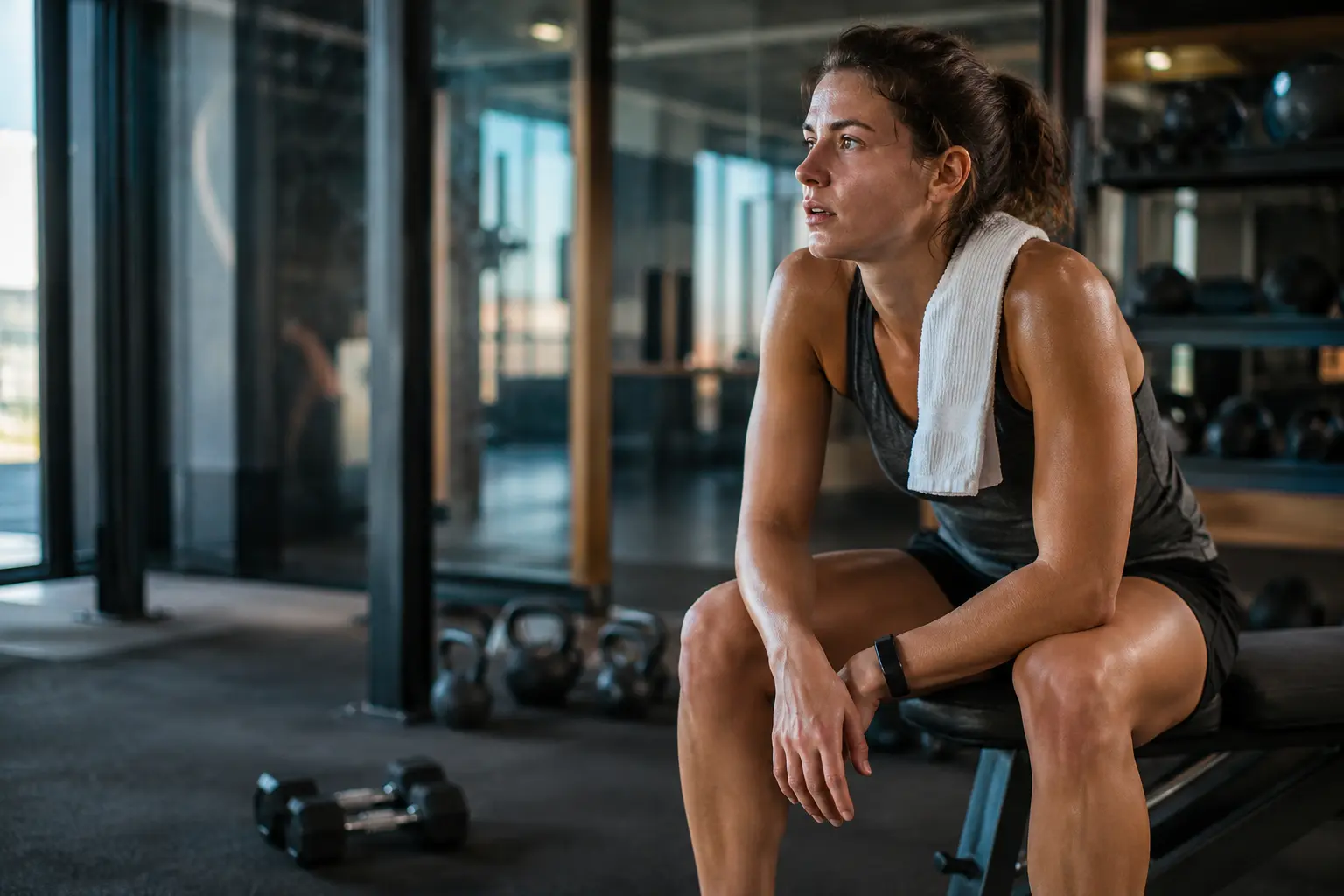
You crush a workout, feel invincible for an hour, then spend the next three days moving like you’re 80 years old, and nobody talks about how isolating that feels until you’re living through it and wondering if exercise recovery signs mean something’s actually wrong with you.
Recognizing the signs of overexertion
When pushing your body to the limit during workouts, it’s crucial to pay attention to the red flags of overexertion. Common signs include extreme fatigue, muscle soreness that lingers for days, and difficulty sleeping due to discomfort. Imagine this: you finish a heavy leg day feeling accomplished, but the next morning you can barely walk down stairs. By day four, you’re still sore, your performance in the gym has tanked, and you’re questioning whether you pushed too hard. That’s overexertion talking. The key difference between healthy soreness and overexertion is intensity and duration. Normal muscle soreness peaks around 48 hours and gradually improves. Overexertion, though, sticks around like an unwanted houseguest, dragging down your energy levels and making even light activity feel exhausting. You might notice your heart rate stays elevated longer than usual or you feel unusually irritable and unmotivated.
- Persistent muscle stiffness that worsens instead of improving day by day
- A significant decrease in performance during subsequent workouts or inability to complete your usual routine
- Feeling excessively fatigued even after rest days, affecting your daily activities and mood
Dealing with prolonged recovery times
For young adults, the frustration of dealing with prolonged recovery times can be overwhelming. It’s disheartening when you’re unable to bounce back quickly after a tough workout. This prolonged downtime can disrupt your fitness routine and motivation. Consider Sarah, a 26-year-old who used to recover in 48 hours but now finds herself needing five to seven days. She’s confused and discouraged because her friends seem fine after the same workouts. Prolonged recovery can stem from overtraining, inadequate sleep, poor nutrition, or even underlying stress. The mental toll is real. You start questioning your fitness level, wondering if you’re getting weaker, or if something’s medically wrong. The truth is, recovery isn’t one-size-fits-all. Some people naturally need more rest due to genetics, training intensity, or life circumstances. Rather than viewing extended recovery as failure, reframe it as your body communicating its needs. This shift in perspective helps you listen instead of fight against what your body is telling you.
💬 Ready to feel better in 2 minutes?choose where to begin:
Navigating the emotional rollercoaster
The emotional toll of struggling with exercise recovery signs is often overlooked. It can lead to feelings of inadequacy, self-doubt, and even guilt for not being able to keep up with your peers. Young adults may find it challenging to balance pushing themselves and allowing proper recovery time. You see your friend post a gym selfie on day three while you’re still hobbling around, and suddenly you feel like you’re falling behind. There’s an unspoken pressure in fitness culture to always be grinding, always improving, always ready for the next challenge. But here’s what nobody tells you: rest is part of the process, not a sign of weakness. The frustration intensifies when you’re trying to maintain consistency but your body keeps hitting pause. You might experience mood swings, increased anxiety about fitness, or a loss of joy in activities you once loved. Some young adults develop a complicated relationship with exercise, swinging between obsessive training and complete avoidance. Recognizing these emotional patterns is the first step toward building a healthier mindset around recovery and performance.
Seeking support and guidance
Navigating the complexities of exercise recovery signs can feel isolating, especially when you’re surrounded by people who seem to recover instantly. Seeking support from fitness coaches, friends, or online communities can provide valuable insights and encouragement. A good coach can assess your training volume, nutrition, sleep patterns, and stress levels to identify what’s actually causing slow recovery. They might suggest adjusting your workout intensity, incorporating more rest days, or improving sleep hygiene. Online communities of young adults facing similar challenges offer validation and practical tips that go beyond generic fitness advice. You realize you’re not broken, just human. Talking to a friend who gets it, sharing your frustrations without judgment, makes a huge difference in how you process the struggle. Remember, you’re not alone in this journey, and it’s okay to ask for help when needed. Whether it’s consulting a sports medicine professional, working with a nutritionist, or simply opening up to your gym buddy about your recovery struggles, reaching out is a sign of strength and self-awareness, not weakness.
Understanding and managing exercise recovery signs is a vital aspect of maintaining a healthy fitness routine. Recognizing the warning signs of overexertion, dealing with prolonged recovery times, navigating the emotional impact, and seeking support are key steps for young adults to overcome their recovery struggles.
How can I differentiate between normal muscle soreness and overexertion?
Normal muscle soreness typically peaks within 48 hours after exercise and gradually improves. In contrast, overexertion may lead to extreme fatigue, persistent soreness, or deterioration in performance over multiple sessions.
What are some effective strategies to enhance exercise recovery?
Prioritize proper nutrition, hydration, rest, and incorporating active recovery techniques like stretching, foam rolling, and light exercises to improve circulation and alleviate muscle tension.
Others also read:
Disclaimer: This article is for informational purposes only and is not a substitute for professional medical advice. Always consult a healthcare professional for personal guidance.
This article presents an experience-based perspective and has been reviewed by the GlobalHealthBeacon editorial team in 2026. It provides structured, evidence-based information to support informed health decisions.
