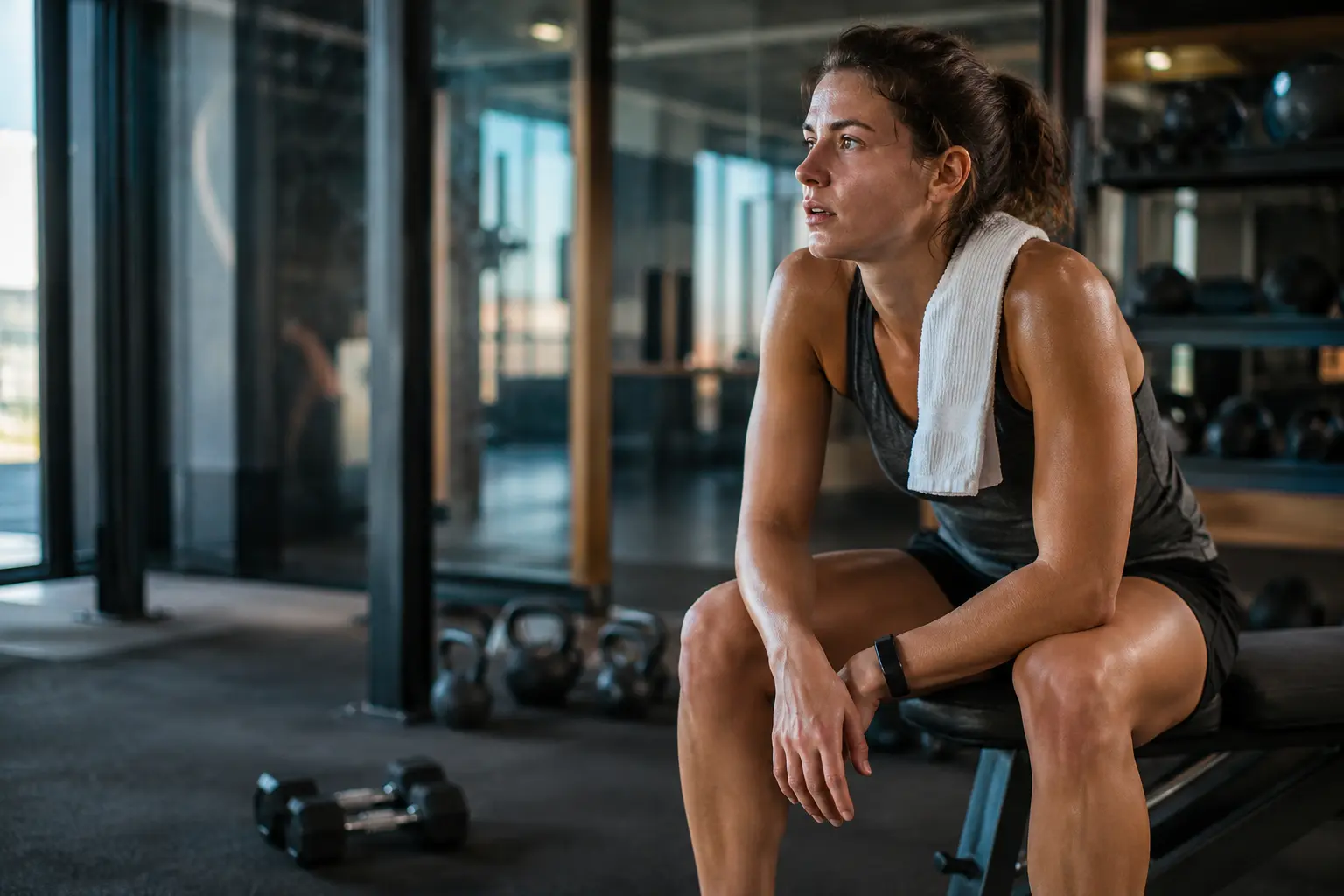
You finish your workout feeling strong, but two days later you’re moving like you’ve aged ten years overnight, and that nagging soreness just won’t quit, so let’s talk about what exercise recovery signs actually mean for your body and why understanding them could change everything about how you train.
Understanding the importance of recovery
Recovery is far more than just resting between workouts. It’s the biological process where your body repairs muscle fibers that were stressed during exercise, replenishes energy stores, and adapts to the demands you’ve placed on it. Think of it like this: when you exercise, you create microscopic tears in muscle tissue and deplete glycogen reserves. The recovery phase is when your body rushes in to fix those tears, making the muscle stronger and more resilient than before. For senior athletes, this process becomes increasingly critical because the body’s natural repair mechanisms slow down with age. Collagen production decreases, hormonal responses become less efficient, and cellular repair processes take longer. Without adequate recovery, you’re essentially asking your body to keep building on a foundation that hasn’t fully set yet. This is why two senior athletes doing identical workouts might experience vastly different recovery timelines. One might feel ready to go again in 48 hours while the other needs five days. Understanding your personal recovery needs isn’t a sign of weakness; it’s smart training.
Common exercise recovery signs in seniors
As we age, the body sends clearer signals about how it’s handling exercise stress, and learning to read these signals is essential. Delayed onset muscle soreness, or DOMS, typically peaks 24 to 72 hours after exercise and feels like a deep, achy sensation in the muscles you worked. You might notice reduced range of motion in your joints, stiffness when you first get out of bed, or a general heaviness in your limbs. Fatigue after exercise is normal, but persistent tiredness that lingers for days or affects your daily activities suggests incomplete recovery. Some seniors also report reduced flexibility, where movements that felt easy last week suddenly feel restricted. Heart rate recovery is another important indicator: if your resting heart rate remains elevated above your normal baseline, your body is still in a stressed state. A practical example: if you typically have a resting heart rate of 65 beats per minute but it’s 75 the morning after a hard workout, that’s a signal your nervous system hasn’t fully settled. These signs aren’t failures; they’re your body’s honest feedback about what it needs.
Identifying the signs of overtraining
Overtraining happens when the stress of exercise exceeds your body’s ability to recover, creating a state of chronic fatigue that actually decreases performance instead of improving it. Unlike normal post-workout soreness, overtraining manifests as persistent exhaustion that doesn’t improve with rest, a feeling that your legs are heavy even on recovery days, and a noticeable decline in strength or endurance despite consistent training. You might also notice mood changes: irritability, depression, or loss of motivation for activities you normally enjoy. Some seniors experience sleep disturbances, where they feel tired but can’t fall asleep, or they wake frequently throughout the night. Your resting heart rate becomes a valuable diagnostic tool here. If it’s consistently elevated by 5 to 10 beats per minute above your normal baseline, your autonomic nervous system is in overdrive. A real-world scenario: a 68-year-old swimmer who trained five days a week felt great for three weeks, then suddenly couldn’t complete her usual distances, felt irritable with family, and struggled to sleep despite feeling exhausted. These weren’t signs to push harder; they were clear signals her body needed extended recovery. Recognizing overtraining early prevents weeks or months of setback.
- Listen to your body’s signals and adjust your workout intensity accordingly.
- Incorporate rest days into your training schedule to allow for proper recovery.
- Consult with a healthcare provider or a sports medicine specialist if you suspect overtraining.
🔬 Science-backed benefits in 2 minuteschoose where to begin:
Nutrition and hydration for optimal recovery
What you consume after exercise directly influences how quickly your body repairs itself and prepares for the next session. Protein is the building block your muscles need to repair those exercise-induced micro-tears, and seniors often need slightly more protein per pound of body weight than younger adults because muscle protein synthesis becomes less efficient with age. A practical guideline: aim for 20 to 30 grams of protein within a few hours after exercise, whether that’s a Greek yogurt with berries, a chicken breast with vegetables, or a protein smoothie. Carbohydrates replenish glycogen stores that were depleted during your workout, which is why a banana with peanut butter or a bowl of oatmeal can make a real difference in how you feel the next day. Hydration is equally critical because dehydration impairs every recovery process, from nutrient transport to waste removal. Many seniors don’t feel thirsty as acutely as younger people, so waiting until you’re thirsty isn’t reliable. Instead, drink consistently throughout the day and especially around your workouts. A simple strategy: drink half your body weight in ounces of water daily as a baseline, then add more on exercise days. Micronutrients like magnesium, zinc, and antioxidants also support recovery, found naturally in nuts, seeds, leafy greens, and colorful vegetables.
The importance of quality sleep
Sleep is where the magic of recovery actually happens. During deep sleep stages, your body releases growth hormone, which drives muscle repair and tissue rebuilding. Your brain consolidates memories of new movement patterns, essentially cementing the neural adaptations from your training. Without adequate sleep, these processes are severely compromised, and your recovery stalls. Most senior athletes benefit from seven to nine hours of uninterrupted sleep nightly, though individual needs vary. The challenge is that sleep quality often declines with age due to changes in circadian rhythms, increased nighttime bathroom visits, and lighter sleep stages. Creating an environment that supports sleep matters: a cool room (around 65 to 68 degrees Fahrenheit), darkness, and minimal noise all help. Avoiding screens an hour before bed reduces blue light exposure that can suppress melatonin production. Some seniors find that a consistent sleep schedule, going to bed and waking at the same time daily, dramatically improves sleep quality. Consider this scenario: a 70-year-old runner who averaged five hours of fragmented sleep reported constant fatigue and slow recovery. After implementing a bedtime routine and improving sleep hygiene, she consistently slept seven hours and noticed her muscle soreness resolved faster and her energy returned. Sleep isn’t a luxury; it’s a performance tool.
Incorporating active recovery strategies
Active recovery means moving gently on days between harder workouts, and it’s surprisingly effective at speeding up the recovery process. Light activities like walking, easy swimming, or gentle yoga increase blood flow to muscles without creating new exercise stress, which helps flush out metabolic byproducts and delivers fresh nutrients to tissues. The key is keeping intensity low enough that you’re not creating additional fatigue. A practical example: after a challenging strength training session, a 65-year-old might do 20 minutes of easy walking or 15 minutes of gentle stretching the next day. This isn’t a full workout; it’s movement that feels restorative rather than demanding. Foam rolling and self-massage can also enhance recovery by improving tissue mobility and reducing muscle tension, though gentle pressure is better than aggressive rolling for seniors. Flexibility work like yoga or tai chi improves range of motion, which often decreases during recovery periods. Many seniors find that incorporating active recovery strategies prevents the stiffness that comes from complete rest while still allowing their bodies to repair. The result is better performance in subsequent workouts and fewer days of significant soreness. Active recovery bridges the gap between hard training and complete rest, keeping your body moving forward without pushing it backward.
Understanding exercise recovery signs is crucial for senior athletes to optimize their performance and prevent injuries. Proper recovery strategies, including rest, nutrition, hydration, sleep, and active recovery, play a vital role in maintaining peak physical condition.
What are the common exercise recovery signs in seniors?
Senior athletes may experience prolonged muscle soreness, fatigue, reduced flexibility, and slower recovery times after workouts. It’s essential to pay attention to these signs to prevent injuries and optimize performance.
How can senior athletes identify signs of overtraining?
Signs of overtraining in senior athletes include persistent fatigue, elevated resting heart rate, irritability, and decreased performance. Adjusting workout intensity, incorporating rest days, and seeking professional advice are crucial steps to avoid overtraining.
Others also read:
Disclaimer: This article is for informational purposes only and is not a substitute for professional medical advice. Always consult a healthcare professional for personal guidance.
This article has been prepared and reviewed by the GlobalHealthBeacon editorial team and is based on current medical research and published scientific literature available in 2026. It provides structured, evidence-based information to support informed health decisions.
