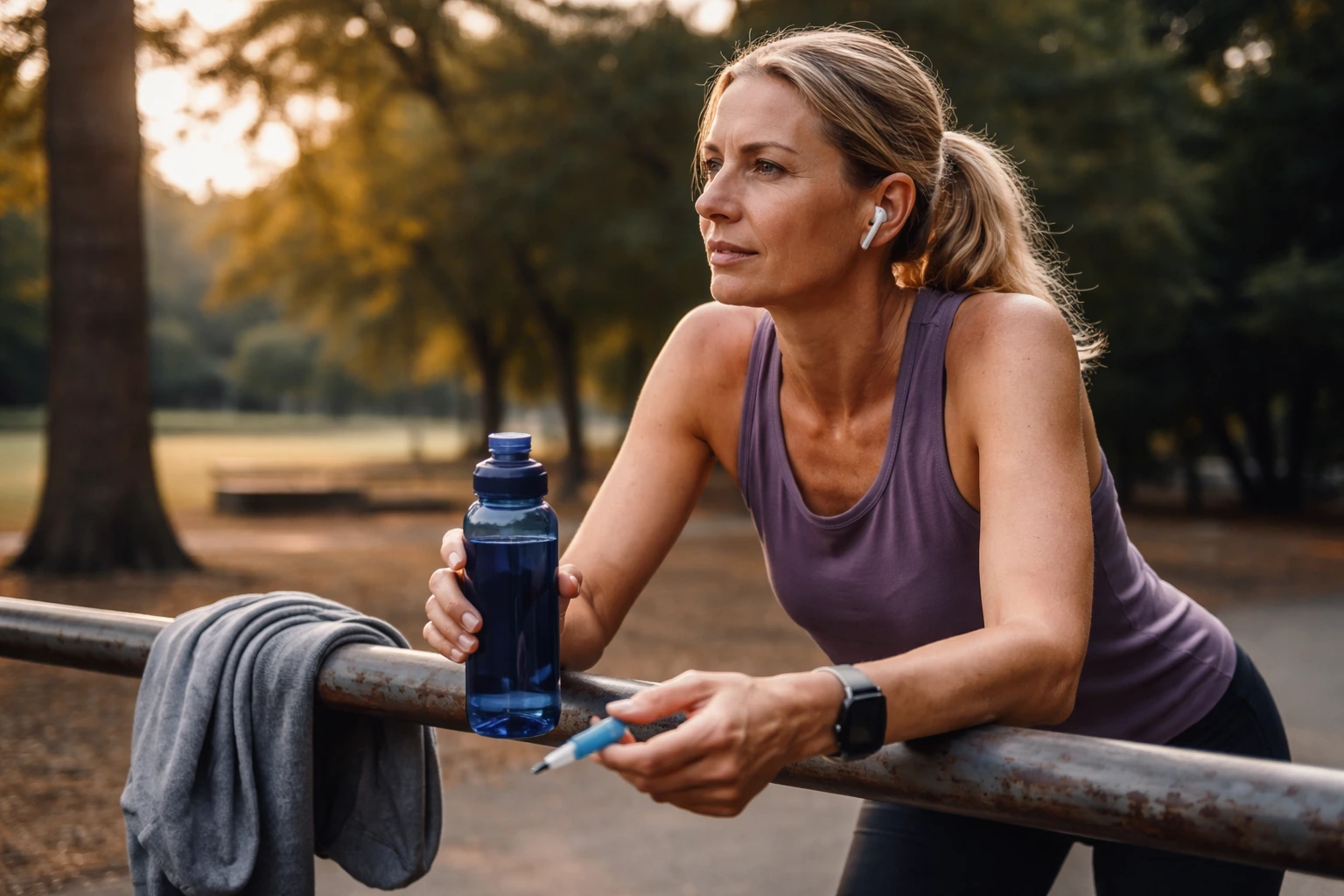
You’re exhausted after a short workout, your energy crashes mid-afternoon, and you’re wondering if exercising on glp-1 medication is even worth the effort, but here’s what you need to know: it absolutely is, and once you understand how your body works with this medication, everything changes.
Understanding GLP-1 medication and exercise
GLP-1 medication works by helping your body manage blood sugar more effectively, which is foundational to understanding how exercise fits into your routine. The medication stimulates insulin secretion and inhibits glucagon release, creating a more stable glucose environment. But here’s where exercise gets interesting: when you move your body, your muscles consume glucose without requiring as much insulin, which means the medication’s effects can feel amplified. Imagine your medication as a safety net and exercise as the platform that strengthens it. A 25-year-old on GLP-1 might notice that a 30-minute run affects their blood sugar differently than it did before starting the medication. This isn’t bad, it’s just different. Your body is more sensitive to activity now, which means you need a strategic approach. Before starting any new exercise regimen, talk to your healthcare provider about your specific situation. They can help you understand your baseline, set realistic targets, and identify warning signs. Monitor your blood sugar levels closely during and after workouts, especially when you’re trying new activities or increasing intensity. A combination of cardiovascular work, strength training, and flexibility exercises creates the most balanced approach to fitness while on GLP-1.
- Consult your healthcare provider before starting any new exercise regimen.
- Monitor your blood sugar levels closely during and after exercise.
- Focus on a combination of cardiovascular, strength training, and flexibility exercises for overall fitness.
- Stay hydrated and be mindful of any signs of low blood sugar while working out.
Cardiovascular exercise and GLP-1 medication
Cardiovascular exercise like running, cycling, swimming, or dancing strengthens your heart and boosts metabolism, but on GLP-1 medication, you need to approach it with intention. Start with moderate intensity rather than jumping into intense workouts. A common mistake is assuming you can maintain the same pace you did before starting medication, then feeling frustrated when your body responds differently. Instead, think of building your cardio fitness as a gradual climb. Week one might be 20 minutes of steady cycling at a conversational pace. Week three could be 30 minutes with one 2-minute interval at higher intensity. This progressive approach prevents blood sugar crashes and helps your body adapt. Always carry a source of fast-acting sugar like glucose tablets or a small juice box during cardio sessions. Many young adults on GLP-1 report that their energy feels different during exercise, sometimes lower than expected. This is normal. Your body is adjusting to how the medication interacts with physical exertion. Track how you feel during different types of cardio and different times of day. You might discover that morning walks feel better than evening runs, or that cycling suits you more than running. Pay attention to these patterns.
📘 Fix your day in under 2 minuteschoose where to begin:
Strength training and GLP-1 medication
Strength training is particularly valuable while on GLP-1 because it improves insulin sensitivity, increases bone density, and builds muscle tone that supports your metabolism long-term. The key is starting conservatively and prioritizing form over weight. Many young adults make the mistake of trying to lift what they lifted before starting medication, leading to poor form and potential injury. Instead, begin with lighter weights than you think you need. A 22-year-old who previously benched 185 pounds might start at 135 pounds on GLP-1. This isn’t weakness, it’s smart adaptation. Focus on controlled movements, full range of motion, and proper breathing. Perform 2-3 sets of 8-12 repetitions per exercise, resting 60-90 seconds between sets. Listen to your body carefully. If you feel dizzy, unusually fatigued, or experience shakiness, stop and check your blood sugar. These can be signals that your glucose levels are dropping. Strength training sessions should last 30-45 minutes including warm-up and cool-down. Schedule these workouts 2-3 times per week with rest days in between. Your muscles need recovery time to build strength, and your body needs time to stabilize blood sugar patterns around your training schedule.
Flexibility exercises and GLP-1 medication
Flexibility work like yoga, stretching routines, or tai chi serves a different but equally important purpose on GLP-1 medication. These activities improve range of motion, reduce muscle tension from other workouts, and provide stress relief, which indirectly supports better blood sugar control. Stress hormones can spike blood glucose, so activities that calm your nervous system are genuinely therapeutic. A 20-minute gentle yoga session can be more stabilizing for your glucose levels than an intense workout if you’re feeling stressed. Incorporate flexibility exercises 3-4 times per week, either as standalone sessions or as cool-downs after cardio or strength training. Yin yoga or restorative yoga classes are particularly good for GLP-1 users because they emphasize longer holds and deep breathing, which promotes relaxation. Dynamic stretching before workouts prepares your muscles for activity, while static stretching after workouts helps with recovery. Don’t underestimate the power of simple daily stretching. Tight hip flexors from sitting all day can affect your posture and movement quality, which impacts how your body responds to exercise. Spend 5-10 minutes each evening stretching your major muscle groups. This consistency builds flexibility over time and helps you stay injury-free.
Balancing exercise and GLP-1 medication safely
The real skill in exercising on GLP-1 medication is learning to listen to your body and adjust your routine based on what you observe. This isn’t a one-size-fits-all situation. A sustainable approach means being consistent with your workouts while remaining flexible about intensity and duration. Track your workouts and how you felt during each one. Note your blood sugar readings before and after exercise, your energy levels, any unusual symptoms, and your mood. Over 2-3 weeks, patterns will emerge. You might notice that Tuesday morning workouts feel better than Friday evening ones, or that your blood sugar drops more dramatically after running than after cycling. Use these insights to refine your routine. Nutrition timing matters significantly. Eating a small snack 30-60 minutes before exercise can prevent blood sugar crashes during activity. A banana with almond butter or a handful of nuts works well for many people. After exercise, refuel within 30-60 minutes with a balanced meal containing protein, carbs, and healthy fats. This supports muscle recovery and stabilizes your glucose levels. Prioritize sleep and recovery days. Your body makes adaptations during rest, not during the workout itself. Aim for 7-9 hours of sleep nightly and take at least one full rest day per week where you do light activity only. Consistency beats intensity every single time.
GLP-1 medication changes how your body responds to exercise, but this change is manageable and actually beneficial when you approach it strategically. Understanding how cardiovascular work, strength training, and flexibility exercises interact with your medication allows you to build a sustainable fitness routine. The key is starting conservatively, monitoring your body’s signals closely, maintaining consistency, and adjusting based on what you learn about yourself. Your exercise routine should support your overall health and well-being, not create stress or anxiety.
Can I exercise vigorously while on GLP-1 medication?
Yes, vigorous exercise is possible on GLP-1 medication, but it requires careful preparation and monitoring. Build up to vigorous intensity gradually rather than jumping in at high levels. Always monitor your blood sugar before, during, and after intense workouts. Carry a fast-acting carbohydrate source and communicate with your healthcare provider about your exercise plans. Many people on GLP-1 successfully do high-intensity interval training, competitive sports, and challenging fitness classes once they understand their individual response patterns.
Are there specific exercises I should avoid on GLP-1 medication?
There are no universally forbidden exercises on GLP-1 medication. However, listen to your body carefully and stop any activity that causes dizziness, severe fatigue, chest pain, or other concerning symptoms. Avoid exercises that feel unsafe given your current fitness level or energy state. Focus on activities you genuinely enjoy and that align with your fitness goals. Your healthcare provider can advise on any exercise modifications based on your specific health situation.
Disclaimer: This article is for informational purposes only and is not a substitute for professional medical advice. Always consult a healthcare professional for personal guidance.
This guide has been prepared and reviewed by the GlobalHealthBeacon editorial team and reflects current medical research as of 2026. It provides structured, evidence-based information to support informed health decisions.
