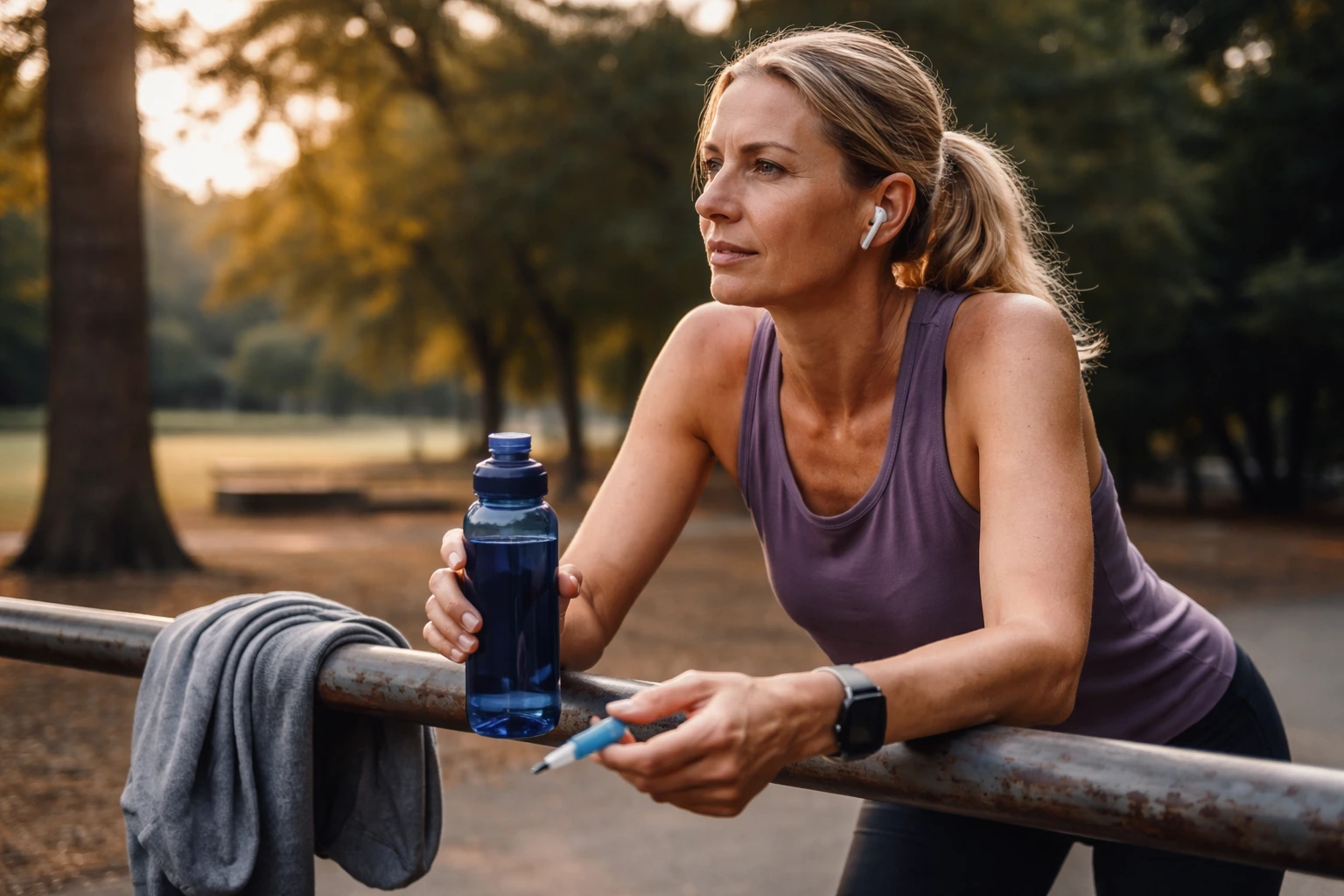
You’re exhausted after a 20-minute walk that used to feel effortless, your muscles feel heavier than they should, and you’re wondering if exercising on glp-1 medication is even worth the struggle anymore.
The role of GLP-1 medication in exercise performance
GLP-1 receptor agonists work by mimicking a natural hormone that regulates blood sugar and appetite. When you exercise while taking these medications, your body experiences a unique metabolic state. The medication slows gastric emptying, which means food moves more slowly through your stomach, affecting energy availability during workouts. Research shows that GLP-1 medications enhance insulin sensitivity, allowing your muscles to use glucose more efficiently during physical activity. For women specifically, this can mean improved cardiovascular stability during exercise and better glucose regulation post-workout. However, the appetite-suppressing effects can sometimes make it challenging to consume enough calories to fuel intense training sessions. Understanding this mechanism helps explain why some women feel energized while others experience fatigue. The medication essentially reshapes how your body accesses and utilizes energy, requiring a thoughtful adjustment period as your body adapts to this new metabolic rhythm.
Key benefits of exercising on GLP-1 medication
Women on GLP-1 medication often report experiencing synergistic benefits when combining regular exercise with their treatment plan. The medication enhances weight loss by reducing overall caloric intake while exercise amplifies this effect through increased energy expenditure and muscle preservation. Glucose regulation improves dramatically because exercise increases insulin sensitivity independent of the medication, creating a compounding benefit. Many women notice their blood sugar remains more stable throughout the day, reducing energy crashes that previously interrupted their workouts. Cardiovascular health improvements are particularly notable, with research indicating better blood pressure control and improved cholesterol profiles in women who exercise consistently while on GLP-1 therapy. Beyond the physical metrics, women frequently describe improved mood, better sleep quality, and increased confidence in their bodies. One woman reported that after three months of consistent walking combined with her GLP-1 medication, her resting heart rate dropped by 12 beats per minute and her energy levels felt more predictable. These benefits extend beyond appearance, touching on functional fitness, metabolic health, and overall quality of life improvements.
Effective strategies for exercising on GLP-1 medication
Successfully exercising on GLP-1 medication requires a personalized approach because every woman’s response differs based on dosage, timing, and individual metabolism. First, consult your healthcare provider about the optimal timing for your workouts relative to your medication schedule and meals. Some women find that exercising two to three hours after eating prevents nausea and provides adequate fuel, while others prefer fasted morning walks. Monitor your blood sugar levels before and after exercise to identify patterns unique to your body. Keep a simple log noting the time of day, exercise type, duration, intensity, and how you felt. This data reveals whether your energy dips at certain times or with specific activities. Hydration becomes critically important because GLP-1 medications can mask thirst signals, yet your body still needs adequate fluids during exercise. Consume nutrient-dense meals that include protein, healthy fats, and complex carbohydrates to support your training without overwhelming your appetite-suppressed system. Many women find that smaller, frequent meals work better than three large meals. Start with low-impact activities like walking or swimming, then gradually progress to more challenging exercises as your body adapts.
- Consult with your healthcare provider to determine optimal exercise timing relative to medication and meals.
- Monitor blood sugar levels before and after workouts and track patterns in a simple log.
- Maintain consistent hydration and eat nutrient-dense meals timed appropriately around your exercise sessions.
🔬 Science-backed benefits in 2 minuteschoose where to begin:
Optimizing exercise performance with GLP-1 medication
The most effective exercise approach combines resistance training with aerobic activity, creating a comprehensive fitness program that addresses multiple aspects of health. Resistance training preserves and builds muscle mass, which becomes especially important on GLP-1 medication since the appetite reduction can sometimes lead to insufficient protein intake. Aim for two to three sessions weekly targeting major muscle groups, using weights, resistance bands, or bodyweight exercises. Aerobic exercise like brisk walking, cycling, or swimming improves cardiovascular fitness and enhances the glucose-regulating benefits of your medication. A practical example: Sarah, a 52-year-old woman, started with three 30-minute walks weekly and added two light resistance sessions using dumbbells at home. After eight weeks, she noticed improved endurance on her walks and felt stronger during daily activities like carrying groceries. The variety in exercise types prevents boredom, reduces injury risk from repetitive stress, and engages different energy systems in your body. Consider alternating between higher-intensity days and gentler recovery days to allow your body adequate rest. This balanced approach maximizes the synergistic benefits between medication and physical activity while remaining sustainable long-term.
Monitoring progress and adapting exercise routines
Tracking your exercise outcomes provides objective feedback that guides intelligent adjustments to your routine. Monitor metrics like resting heart rate, which often decreases as cardiovascular fitness improves, typically dropping one to two beats per minute monthly with consistent exercise. Track endurance by noting how long you can sustain an activity or how far you travel before fatigue sets in. Energy levels throughout the day offer valuable subjective data, revealing whether your current routine supports or depletes your vitality. Keep a simple journal noting the date, exercise type, duration, intensity, and your energy level on a scale of one to ten. Over time, patterns emerge showing which activities energize you and which leave you drained. Many women find that their optimal exercise window shifts as their medication dose changes or as their body adapts. What worked perfectly in month two might feel different in month four. This is normal and expected. Making gradual changes based on your body’s feedback prevents injury and ensures your exercise routine remains enjoyable and sustainable. If you notice persistent fatigue or declining performance, discuss this with your healthcare provider, as it may indicate the need for nutritional adjustments or medication timing modifications.
Understanding the impact of GLP-1 medication on exercise outcomes
Scientific research continues evolving in this area, with recent studies examining how GLP-1 medications affect muscle protein synthesis, cardiovascular adaptation, and long-term exercise capacity in women. Current evidence suggests that women on GLP-1 therapy who exercise regularly experience better metabolic outcomes than those who exercise without medication or take medication without exercising. However, research also highlights individual variability, meaning your experience may differ from another woman’s experience even with identical medication and exercise protocols. Some studies indicate that GLP-1 medications may slightly reduce the intensity of exercise that feels comfortable, requiring women to adjust their expectations initially. Other research shows improved exercise tolerance over time as the body adapts. Staying informed about emerging findings helps you make evidence-based decisions about your routine. Follow reputable sources like peer-reviewed journals, your healthcare provider’s recommendations, and established medical organizations rather than social media testimonials. Understanding that your body is responding to both medication and exercise simultaneously helps you interpret your results accurately. If you feel confused about conflicting information, your healthcare provider can contextualize research findings within your specific situation.
GLP-1 medication influences exercise tolerance, weight loss capacity, and glucose regulation in women through multiple physiological mechanisms. By strategically timing workouts, monitoring your body’s responses, and adapting your routine based on real feedback, women can harness the combined benefits of medication and exercise. The key lies in viewing these two interventions as complementary rather than competing forces, creating a sustainable approach to improved physical fitness and metabolic health.
Can GLP-1 medication enhance exercise performance for women?
GLP-1 medication may improve exercise tolerance by enhancing glucose utilization and insulin sensitivity, though individual responses vary. Some women experience increased energy and endurance, while others need an adjustment period. The medication’s appetite-suppressing effects require careful attention to adequate nutrition for sustained exercise performance.
What are the key considerations for women exercising on GLP-1 medication?
Women should consult their healthcare provider about optimal exercise timing relative to medication and meals, monitor blood sugar levels before and after workouts, maintain consistent hydration, and consume nutrient-dense meals that support training without overwhelming appetite-suppressed systems. Tracking energy levels and adjusting intensity gradually ensures sustainable progress.
Others also read:
Disclaimer: This article is for informational purposes only and is not a substitute for professional medical advice. Always consult a healthcare professional for personal guidance.
This article has been prepared and reviewed by the GlobalHealthBeacon editorial team and is based on current medical research and published scientific literature available in 2026. It provides structured, evidence-based information to support informed health decisions.
